Cart (0)
No products in the cart.

Table of Contents
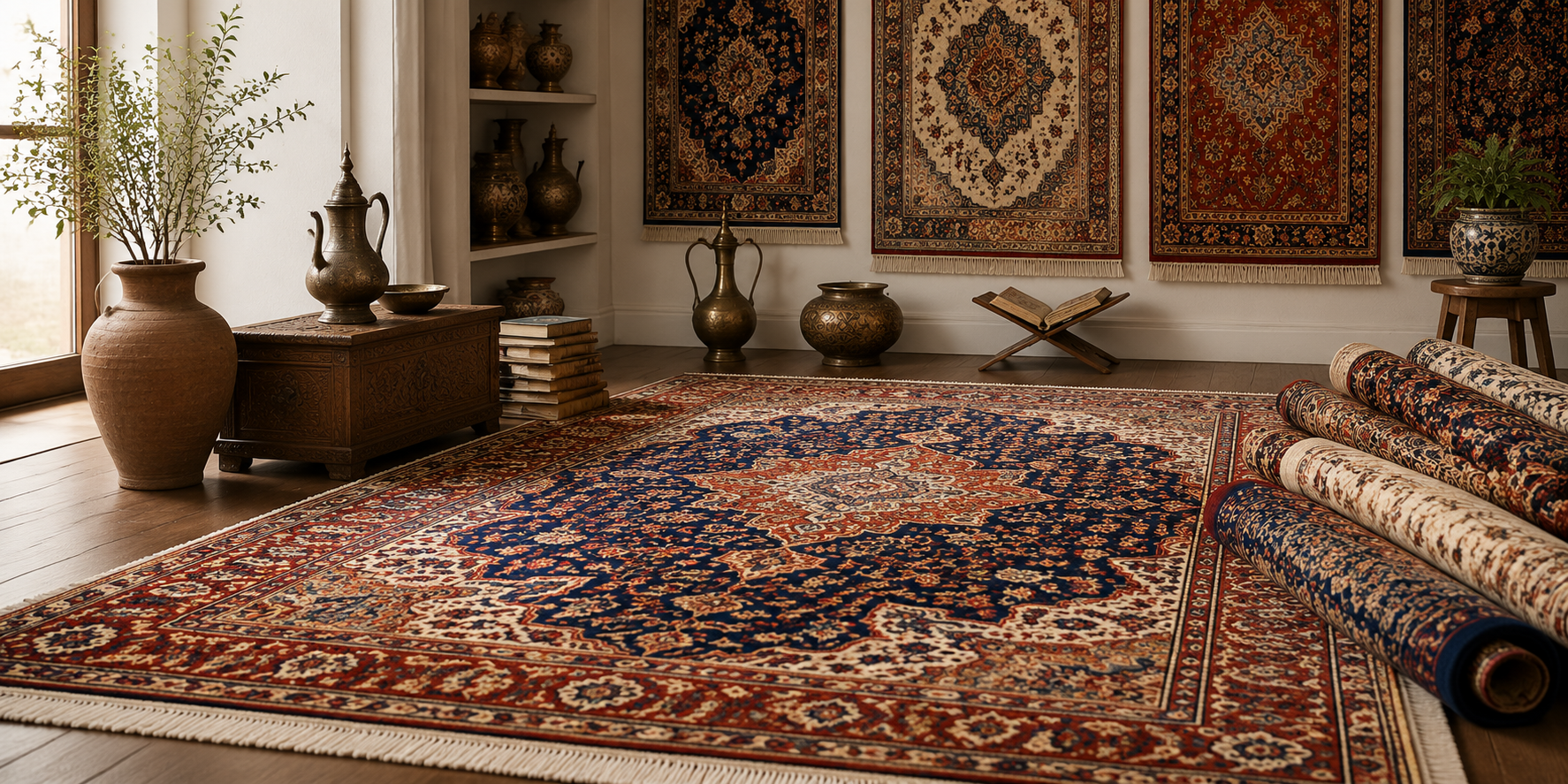
Persian rugs are traditional, hand-woven rugs from the region (formerly known as the region). They are known for their detailed designs and exquisite craftsmanship. These rugs are made from hand-dyed real wool and silk.
the region was formerly known as the region, and that is where the rugs get their name from. They normally have a soft backing, and their designs and patterns are often derived from old folkloric themes. They have exactly the same design on both the back and front of the rug. Artisans use natural, vegetable dyes to pigment the fibers, so the fibers retain their brightness for much longer.
There are several types of Persian rugs, viz. Heriz, Kashan, Nain, etc. They get their names from the tribe or region they are woven in rather than design patterns. But many regions have their own signature designs. For instance, Khamseh tribal rugs are known for their murghi (bird) motifs.
Persian rugs were made in the Middle Ages by nomads who traveled across the Silk Road. These tribes created these rugs out of the necessity to cover their refuges’ floors and protect them from cold and dampness. A handmade rug could easily provide this. That is also a reason why Persian rugs have great resistance to external elements and stay good for decades.
In 1038-1194 AD, the Persian rug-making art was strongly influenced by the Seljuk, a Turkish tribe. During Shah Abbas's reign (1587-1629 AD), crafting and commerce were boosted in the region. Historians claim that this was the time when the region started generating outstanding revenue from its rug-making industry.
Cyrus II of the region (also known as Cyrus the Great) was in awe of the beauty of these first nomadic pieces. He was the one who introduced the art of carpet making to the nobles of the region. Later during the 1800s, European countries discovered Persian rugs for the first time. Since then, they have become one of the more popular types of rugs in the world.
In the year 1949, the oldest knotted Persian carpet was found in the Pazyryk Valley by Russian archaeologists. For more than 2 millennia, this carpet was well-preserved in frozen tombs of Scythian nobles.
Even though the history of Persian rugs dates back several centuries before Christ, modern pieces were created as recently as the 1940s. Persian decor style has been maintained over the centuries thanks to its elegant beauty and rich cultural history.
In modern day, weaving an authentic Persian rug is still a multi-step process taking months to years. Let me walk you through the steps.
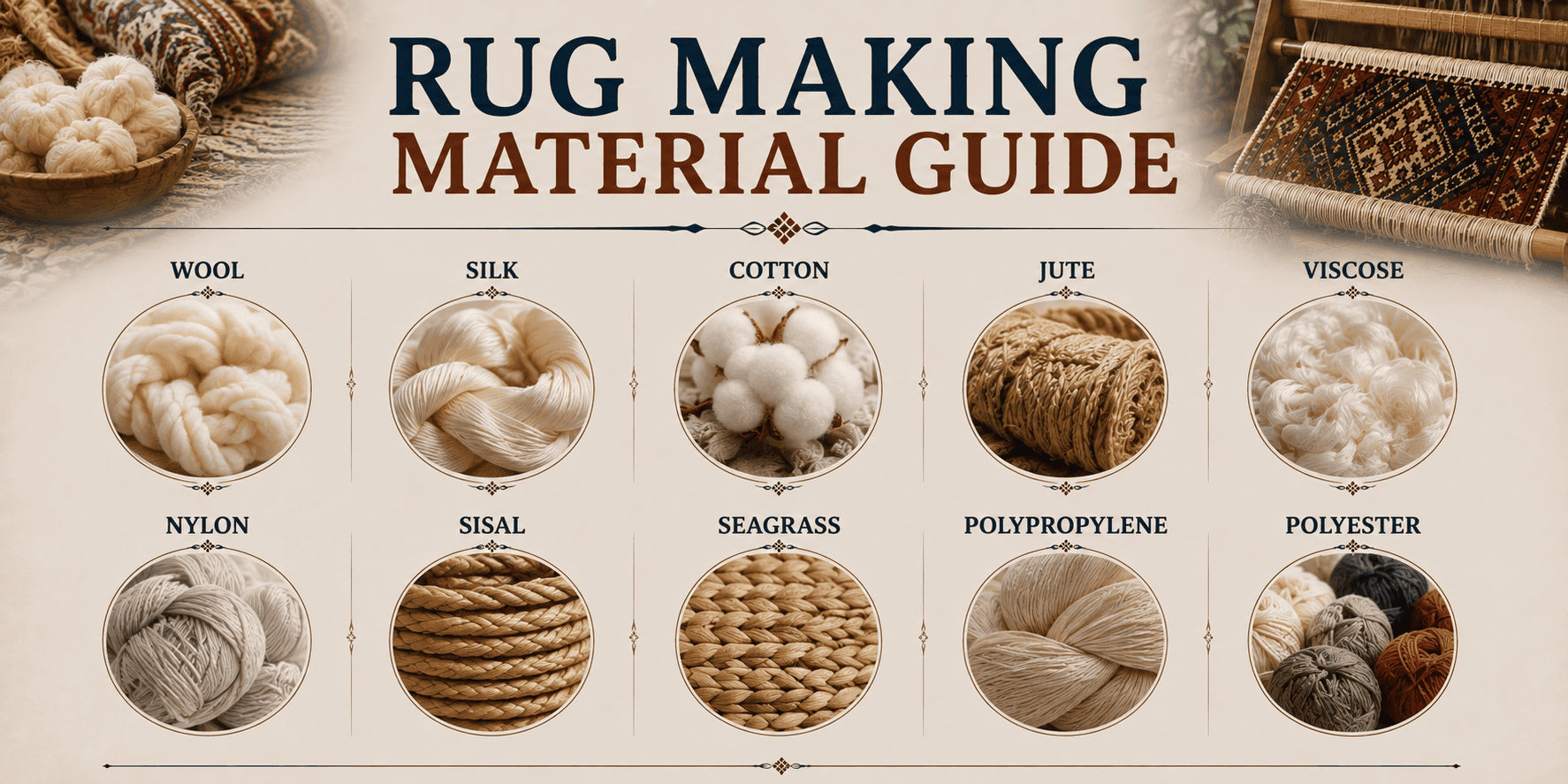
Sheep’s wool is most commonly used for making Persian rugs. But when sheep wool is not available, some regions use camel or goat wool. Sometimes, even cotton or silk is used, but it is less common. Cotton is used in the foundation of the rug pile to increase its durability. You will rarely find a pile made of cotton. On the other hand, silk piles look shiny and luxurious.
Yes, the weavers spin the yarn themselves. That is the beauty of a truly handmade rug. The very fiber that makes the rug is spun on-site with a spindle or a spinning wheel. That is why handspun yarn is slightly uneven. Rugs get their texture and depth due to this unevenness.
Authentic rug makers never use chemical colors for dyeing the yarn. They derive colors from locally available plants and minerals. For instance, madder root for reds, indigo for blues, pomegranate rind and saffron for yellows, walnut husks for browns, etc.
This is done in batches, and that’s why each batch can have a slightly different shade. Whenever a weaver switches yarn batches, a slight variation can be seen in the color. This is known as Abrash. You can observe Abrash only in handmade rugs.
In city workshops like Tabriz, Kashan, or Isfahan, rug designs are sketched out onto grid paper (or talim). The weavers then follow the grid design to the T.
But in village and tribal regions like Gabbeh and Shiraz, designs are decided by the weaver. The designs are passed down the generations and can slightly vary based on each weaver’s preference. That is why no two rugs look exactly the same.
The weavers then start weaving the rug one knot at a time. The warp threads for the foundation are often made of cotton, while the pile is made of wool, silk, or a combination of both.
Artists use various types of knots, depending on the design and type of rug.
Jufti knots are sometimes used to speed up the weaving process, but they are not as durable as regular knots.
Persian rugs mostly use asymmetric knots, which help weave finer curves. Asymmetric knots are also known as Senneh knots.
Symmetrical knots are also sometimes used in the weaving process, but they are more common in Turkish rugs.
The knot density can range from 30 KPSI to over 1,000 KPSI.
Tribal rugs have around 30 to 100 KPSI.
City rugs like Kashan and Tabriz can have 120 to 400 KPSI.
Fine rugs like Qom can have 500+ KPSI.
A skilled artist ties anywhere between 8,000 and 10,000 knots in a day. This means an 8x10 rug at 200 KPSI has over two million knots and can take more than a year to weave.
When such hand-crafted rugs come into our Magic Rugs store, they go through a thorough inspection process. Our rug experts authenticate each rug before adding it to our stock.
There are hundreds of types of Persian rugs, but for the scope of this article, we are going to discuss the most popular ones.
Type | Region | Region Type | Style | Typical KPSI | Pile |
Tabriz | NW the region (East Azerbaijan Province) | City | Both curvilinear & geometric | 60 to 400+ | Short, firm |
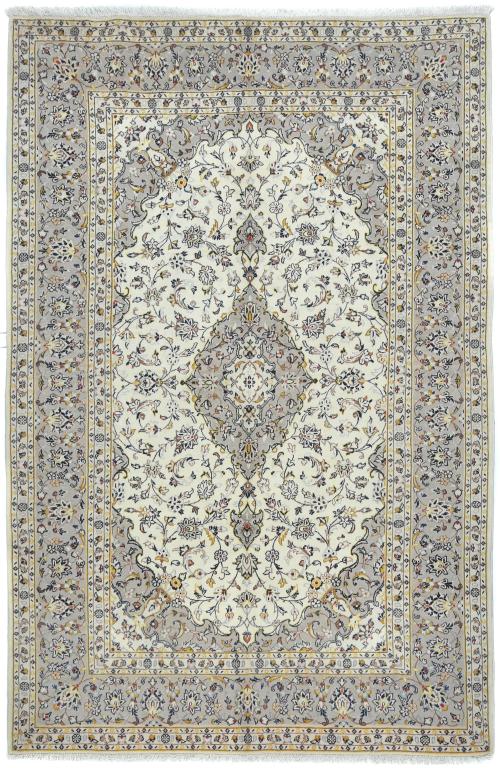
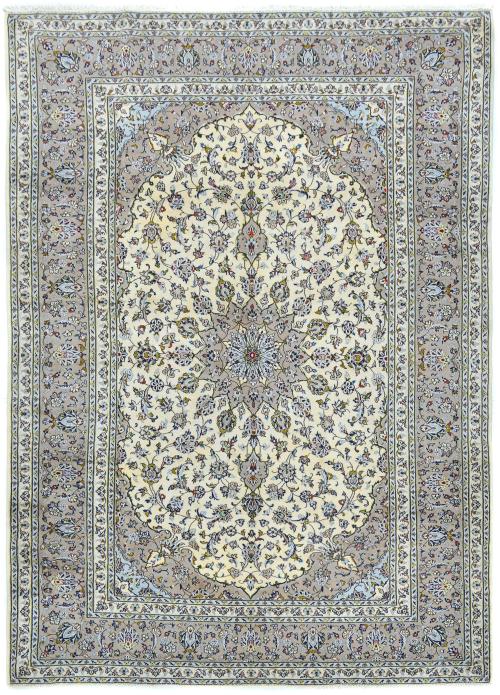
Kashan | Central the region | City | Curvilinear floral, medallion & corner | 120 to 300 | Short–medium to Medium–high |
Isfahan | Central the region | City | Fine curvilinear floral, arabesque, silk foundation | 200 to 500+ | Very short to Medium |
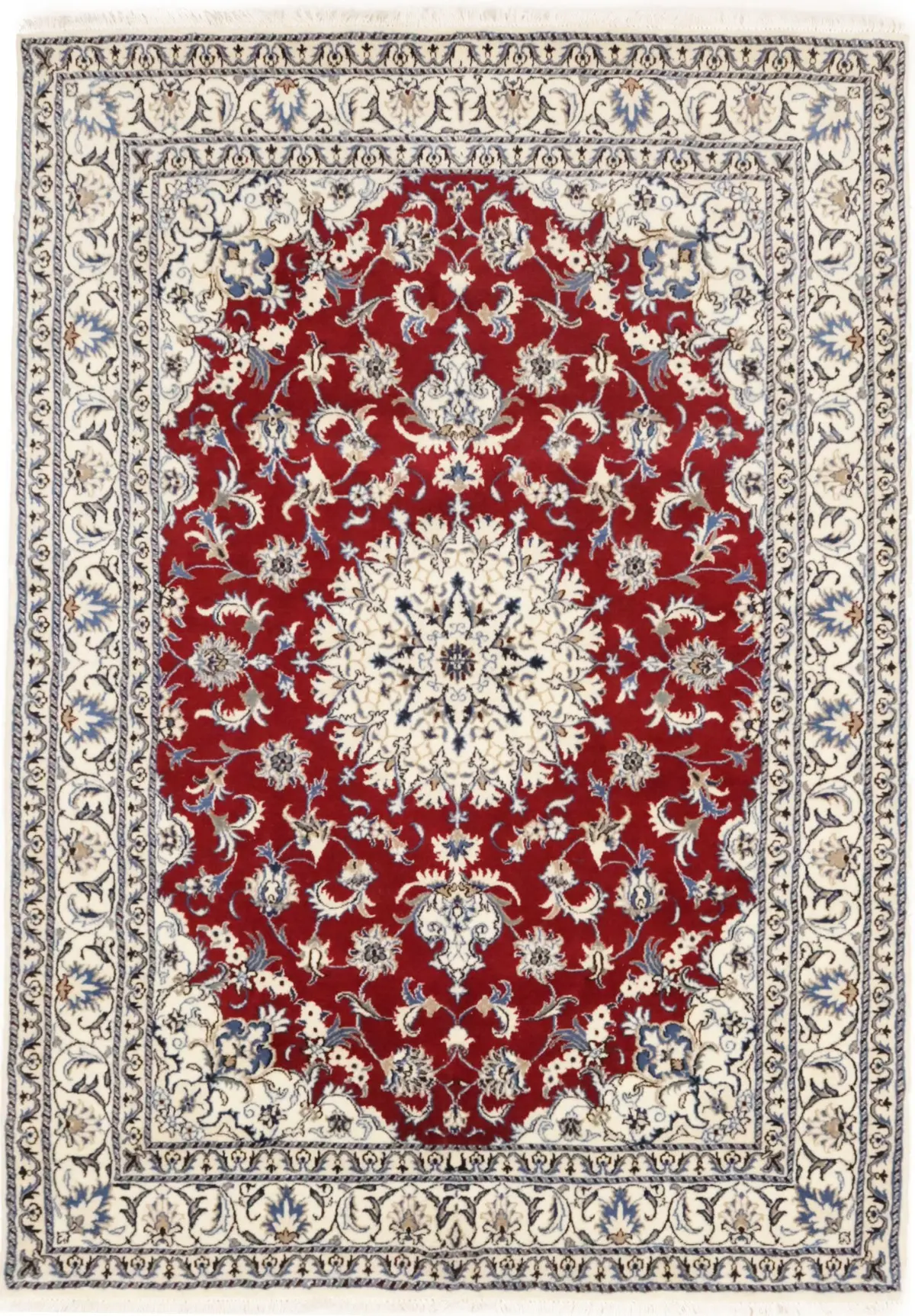
Nain | Central the region (near Isfahan) | City | Ivory/blue floral, medallion & corner, silk outlining | 200 to 500 | Very short to Medium |
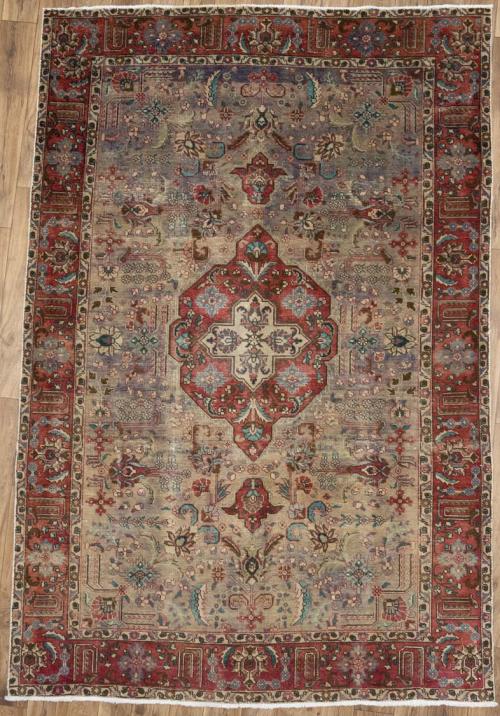
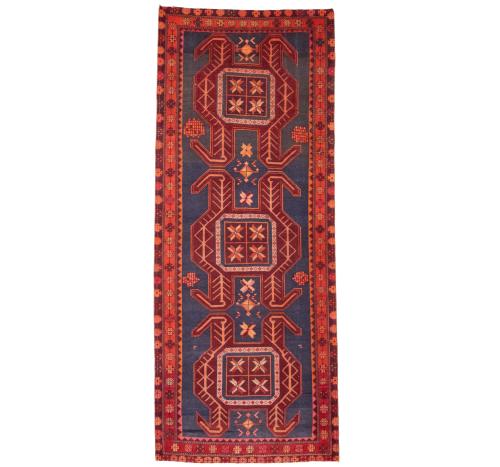
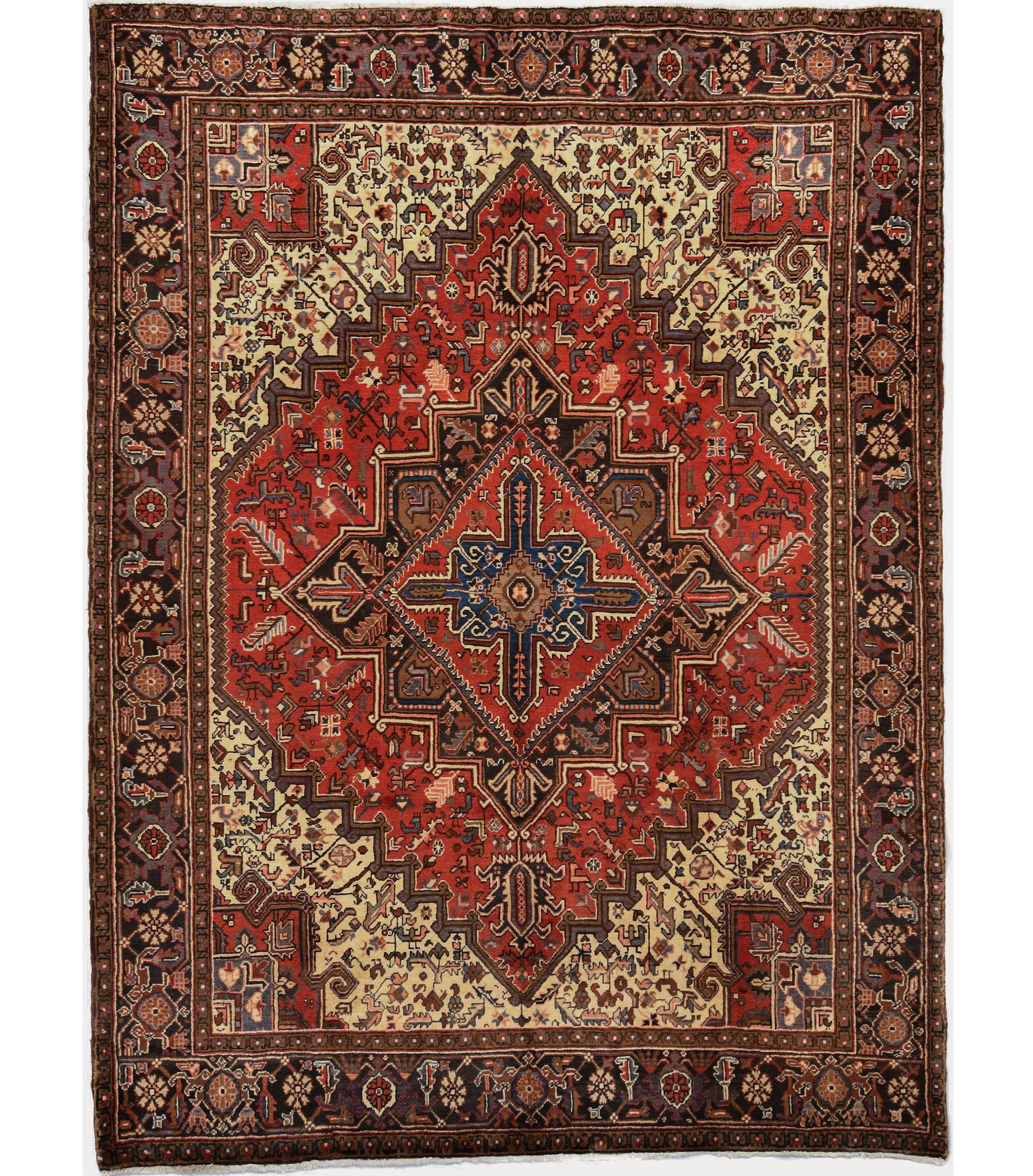
Heriz | North-West the region (near Tabriz) | Village | Bold angular geometric medallion | 30 to 100 | Medium to thick |
Malayer | West central the region (near Hamadan) | Village | Geometric medallions, all-over Herati | 60 to 130 | Thin, flat |
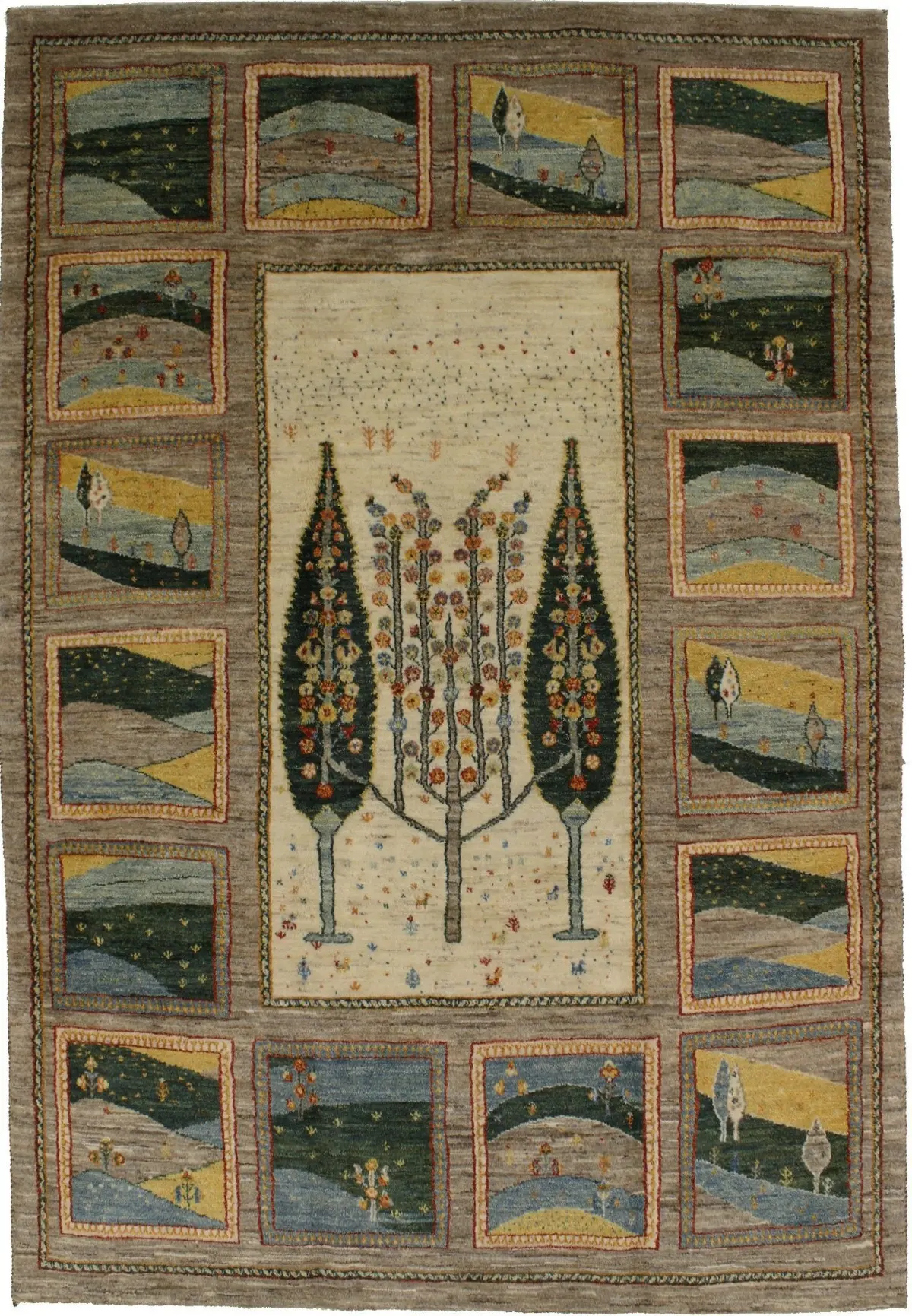
Gabbeh | Zagros Mountains | Tribal | Minimal abstract tribal, few motifs | 20 to 60 | Thick, shaggy |
Tabriz city is located in the region’s East Azerbaijan province. It has been one of the region's best rug-producing cities since the 15th century. Alongside normal designs like classic central medallions and all-over patterns, these Tabriz rugs describe pictorial and garden scenes, hunting scenes, and the distinctive Herati pattern (rosette inside a diamond flanked by curved lance-shaped leaves).
The colors range a full span. From deep jewel tones like red and green to soft pastels like pink and yellow, you’ll find it all. Mostly, these rugs are made of very high-quality silk and wool. Most museums and art enthusiasts like to collect Tabriz rugs as antique possessions.
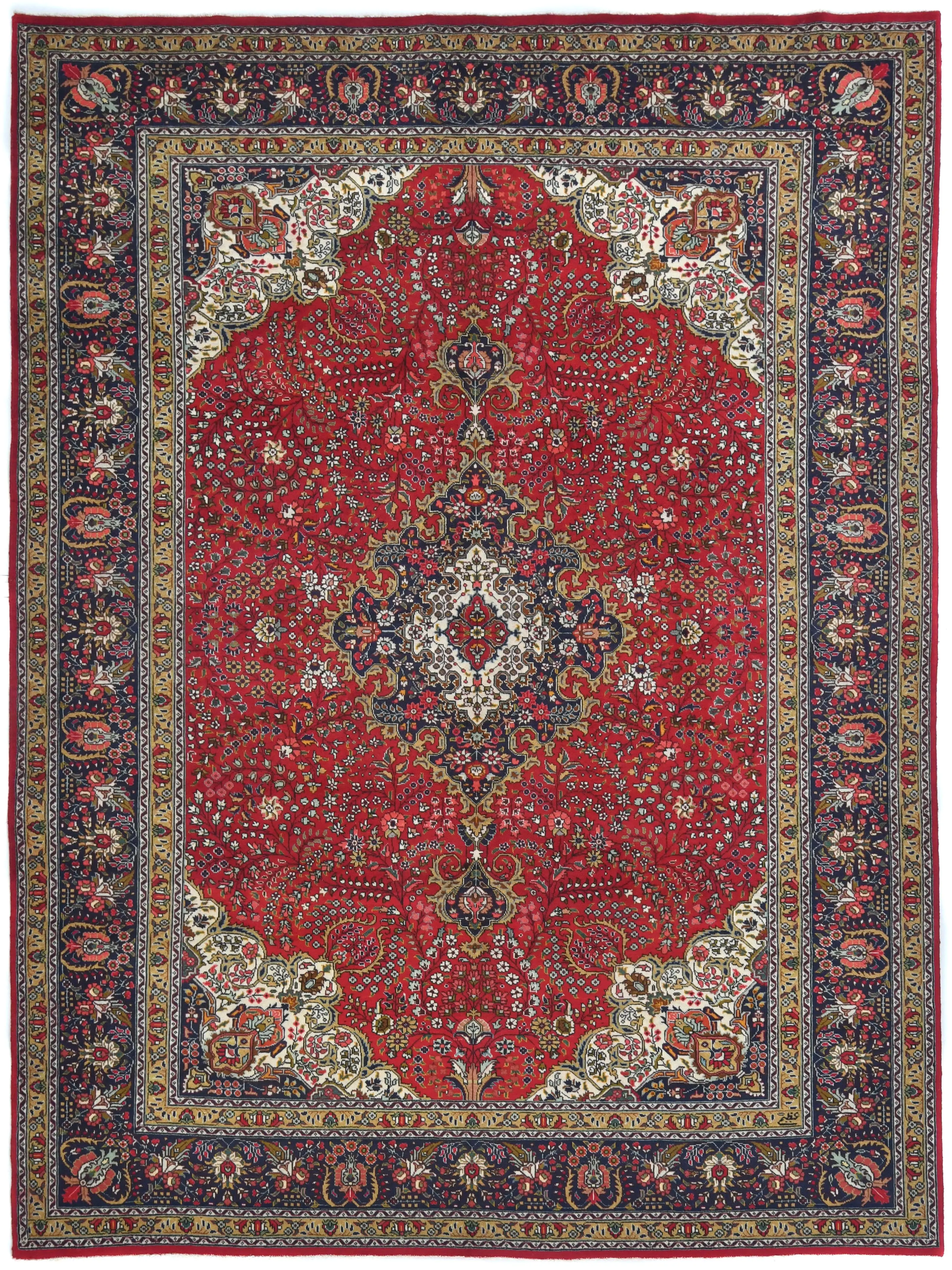
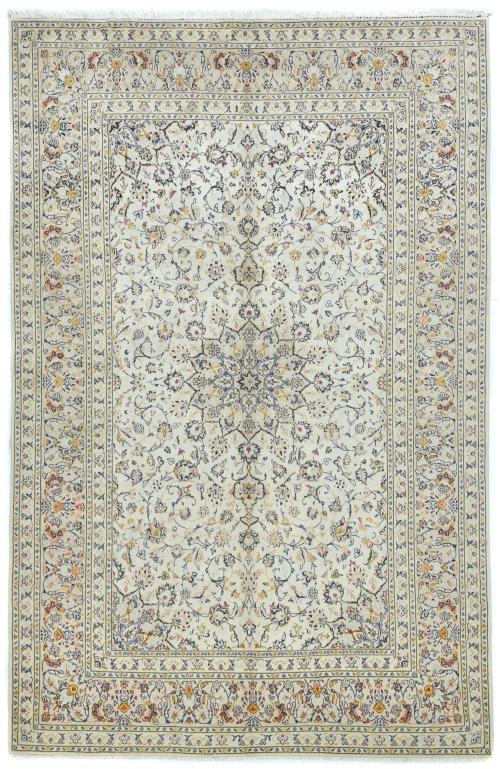
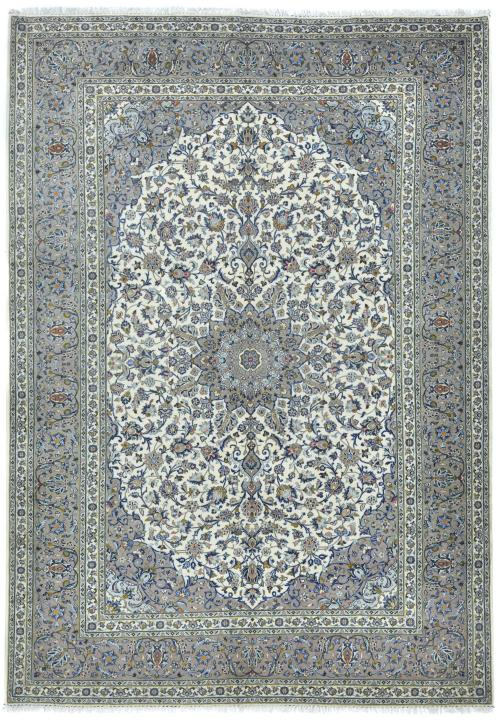
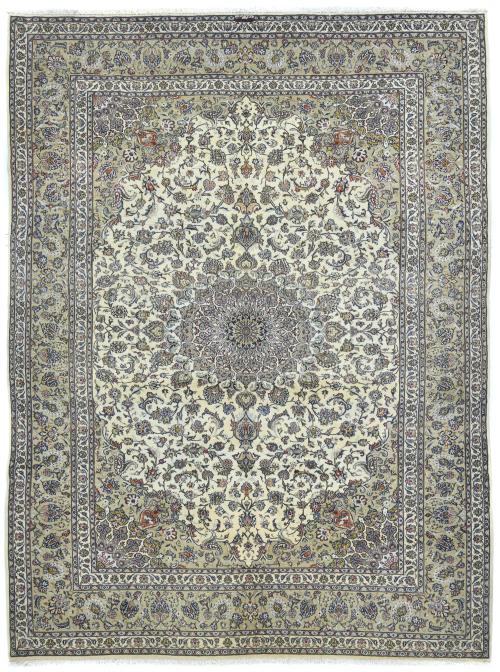
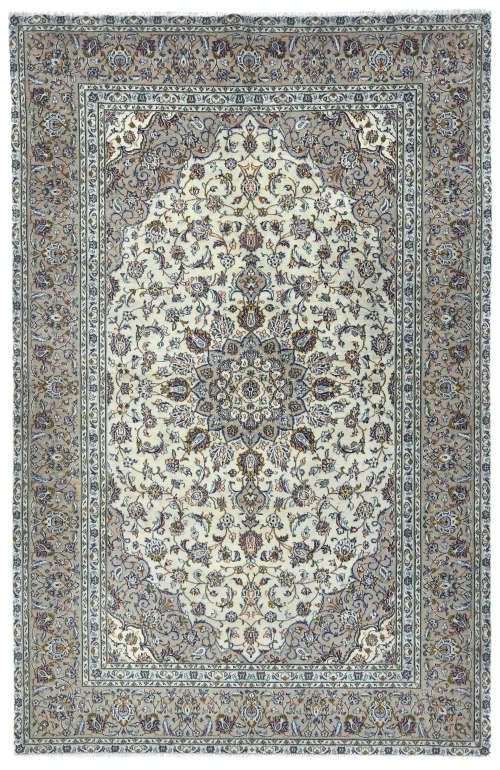
Kashan rugs were originally made with high-quality silk. In the late 19th century, they started using fine wool too. Kashan rugs have a signature pattern that makes their distinction fairly easy.
The design features a central medallion and a matching medallion boundary. With dense patterned floral fields of arabesques and palmettes, Kashan rugs look quite beautiful. They mostly feature colors like deep blue, red, and ivory.
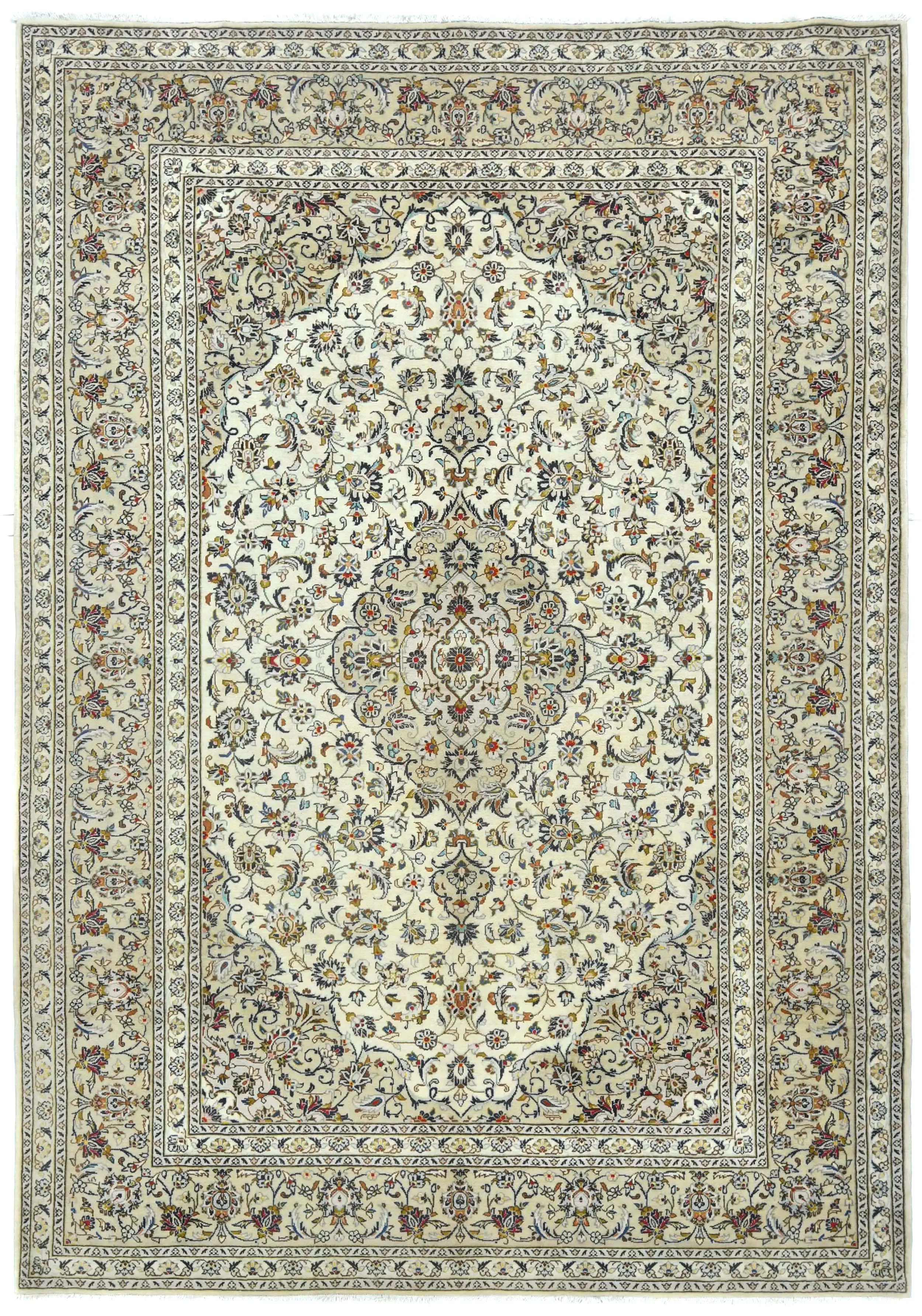
Isfahan rug designs are inspired by the architecture of the mosques, palaces, and tilework in the city. That is why they often have a dome pattern. Isfahan rugs are considered one of the finest types of Persian rugs.
They are made on a silk foundation, which allows curvilinear details such as domes, vine scrolls, Shah Abbasi palmettes, etc. The design of these rugs is quite complex, providing symmetry and cleanliness.
These rugs often include several colors, sometimes even more than 15 colors in a single rug. One of the most popular designs is an ivory background containing a rose or indigo medallion surrounded by a vine boundary.
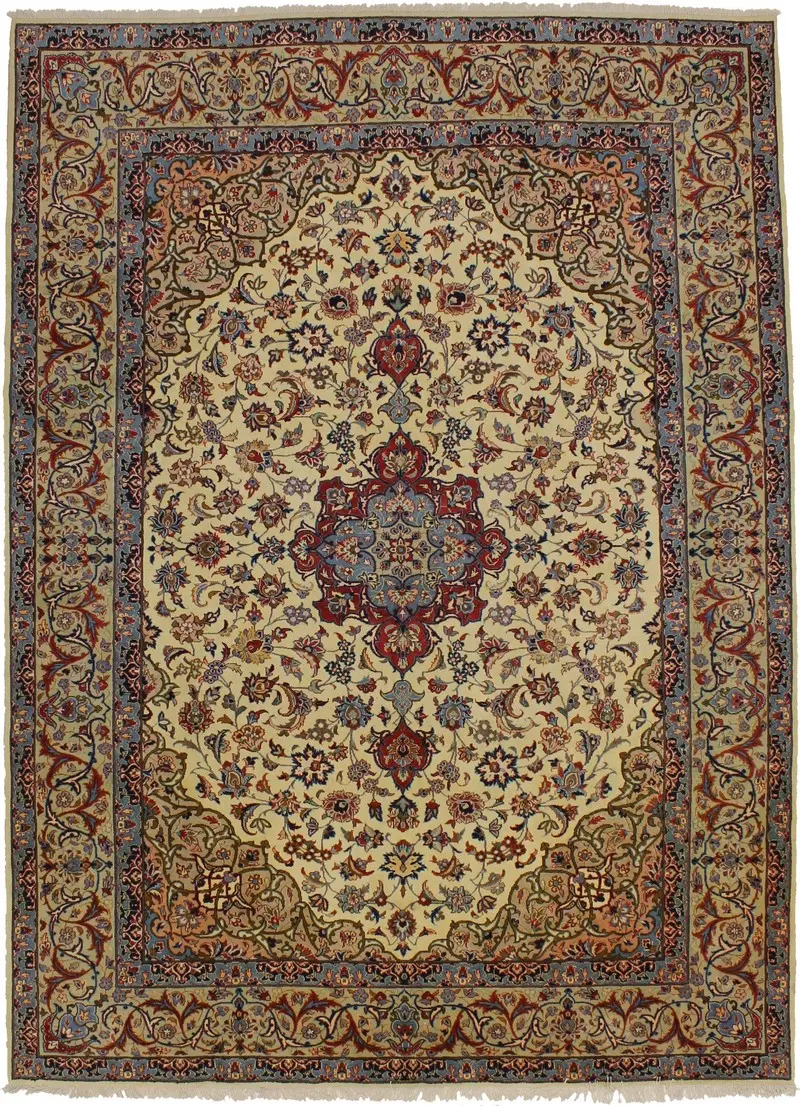
Nain region is known as the ‘young princess of Persian rugs' because it is the youngest weaving center in the region. Rug production began in the 1920s-30s and is directly inspired by Isfahan traditions.
The usual design of these rugs includes a white or ivory background with small flowers intertwined with blue or green colored branches. Weavers use silk to outline the motifs and medallions so they give a subtle sheen against the matte wool pile.
Nain rugs have a grading system of their own called the La grading system. The lower the La number, the finer the rug.
Heriz rugs are the most popular type of Persian rugs in American homes. The trade name of these rugs in the US is Serapi. Serapi rugs are usually the older and finest Heriz rugs.
Where Tabriz and Kashan rugs are curvilinear, Heriz rugs are bold and architectural. These are village rugs; that's why their designs are chunky rather than delicate.
Whenever you spot a vibrant-colored Persian rug with intrinsic bold patterns, there’s a high chance that it is Heriz. They feature warm vibrant colors like brick red, rust, terracotta, navy blue, light blue, and ivory.
Malayer Rugs are antique rugs that originated in the Malayer region of the region. The design of these rugs consists of lozenge-shaped medallions and dense motifs crafted on the monochromatic ground.
Malayer rugs are made by focusing on minute detailing with peculiar attention to creating their signature, exquisite borders. The designs are more geometric than curvilinear. These are one of the few Persian rug types that use the symmetric knot rather than the asymmetric knot.
Gabbeh rugs illuminate heavy tribal influence as these are handcrafted by Qashqai, Bakhtiari, Kurdish, and Luri weavers in the mountains of Zagros. Although the designs are pretty simple, the material they are made of is unique. They use colors made from natural dyes and high-grade handspun wool.
These have a high, shaggy pile and a low knot count. The designs come totally from the imagination of the weavers rather than a paper cartoon. These are also one of the most affordable Persian rug types.
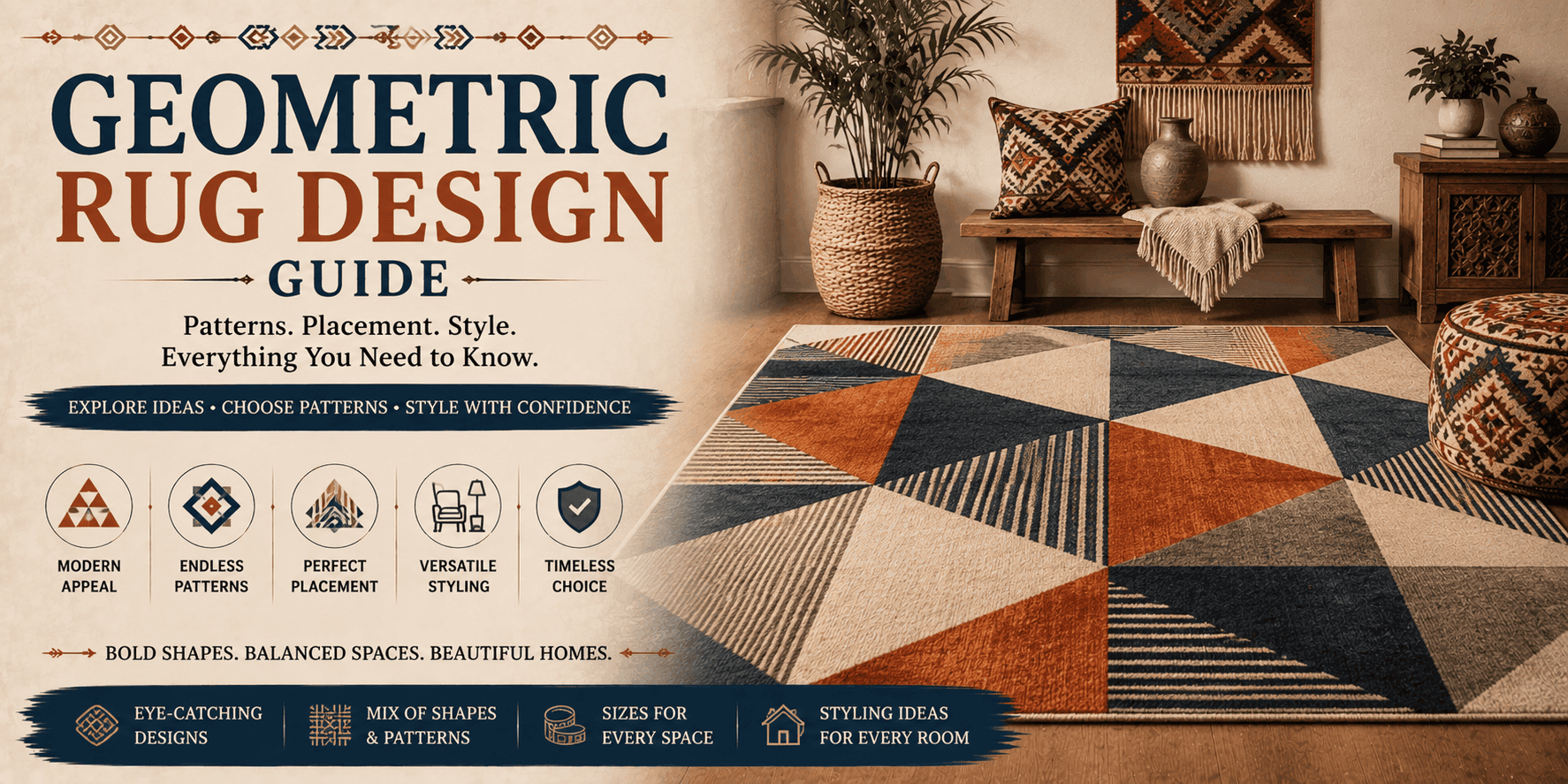
Persian rugs have a number of small patterns which make up the entire design of the rug. These patterns are associated with the region/tribe that wove them. For instance, the Gul pattern is mostly seen in tribal rugs. Some of the popular patterns are Boteh, Herati, Mina Khani, Shah Abbasi, and Tree of Life.
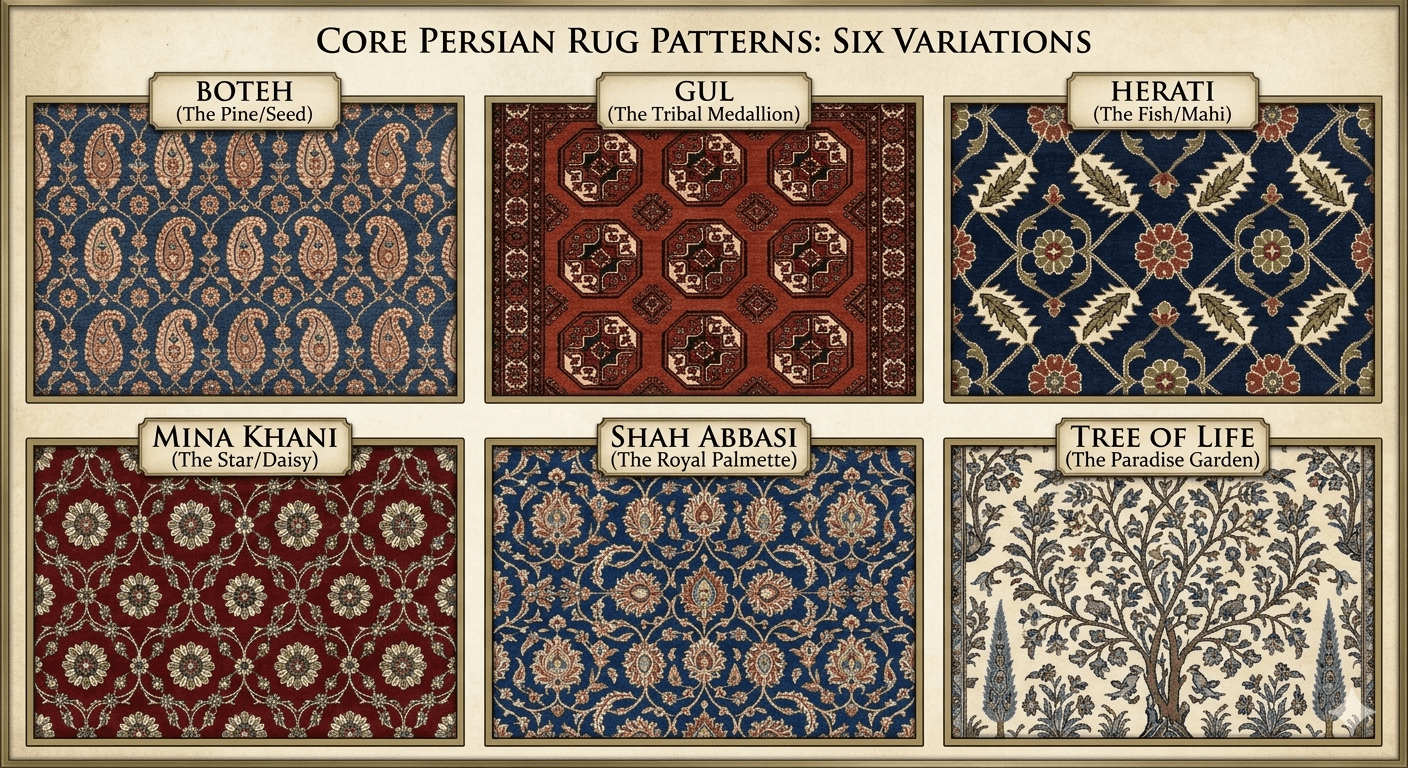
It is a teardrop shape with a bent-over tip. It is usually arranged in repeating patterns. Sizes can range from very small in Malayer rugs to large in Qashqai rugs.
It is an octagonal or angular medallion that looks like a flower when seen from above. Different tribes like Tekke, Yomut, Salor, or Ersari have their own version of gul that states who made the rug.
It is a rosette placed centrally inside a diamond. It has four curved lance-shaped leaves on the outside of the diamond. The leaves represent fish, and that is why this pattern is also called Mahi (Persian word for fish).
Mina Khani is one of the most elaborate patterns. It has four different types of flowers.
It has a repeating lattice of these flowers connected by vines that form a diamond grid in the center.
It is a large, multi-petaled palmette woven in a vertical cross section of the rug. It is linked across the rug field by scrolling arabesque vines. It was developed under the rule of Shah Abbas I, and that's where it gets the name from.
It is a tree starting from the base of the rug and extending out throughout the rug. It is often filled with flowers and birds. It shows the connection between earth and heaven and represents eternal life.
So far, we have been looking at some markers of an authentic Persian rug. Let’s recap them.
On a truly handmade rug, the fringe is a continuation of the rug's foundation. If it looks like it is attached over the rug, it could be a fake.
Flip the rug over and see whether the design on the back exactly resembles the front - It should be exact. But note that the back is softer, lighter, and less crisp.
Abrash is a strong indicator that a rug is handmade. Some sellers try to print fake abrash on machine-made rugs, but it looks repetitive and regular. In contrast, real abrash is unpredictable across the rug.
Hand-knotted rugs have imperfections. They are never perfectly symmetrical. A loop is too large or a line extends a little too far - such asymmetry is always present in handmade Persian rugs.
Knots Per Square Inch (KPSI) is not exactly the same throughout the rug. It won't vary too much, but slight variations are normal.
Patina is an oxidized layer that forms over really vintage and antique rugs. It’s hard to fake and thus can be used to determine whether the Persian area rug is genuine.
If possible, do a burn test on a single strand of fiber. Persian rugs are made from real wool and silk. When you burn them, they self-extinguish and form a brittle ash. It will smell like burning hair. But if it's fake, it might melt, drip, or smell like plastic.
Important! |
Persian rugs are a subcategory of Oriental rugs. So, every Persian rug is an Oriental rug, but every Oriental rug is not a Persian rug.
Characteristics | Persian Rugs | Oriental Rugs |
Origin | the region | Wide Rug Belt: the region, Central Asia, Turkey, India, Pakistan, Afghanistan, China, and Nepal |
Knot Type | Asymmetrical knot | Both symmetrical and asymmetrical knots depending on country of origin |
Typical Designs | Curvilinear florals, medallions, and tribal geometrics | Huge range of designs, such as Chinese pictorials, Indian florals, Turkish geometrics, and Tribal motifs |
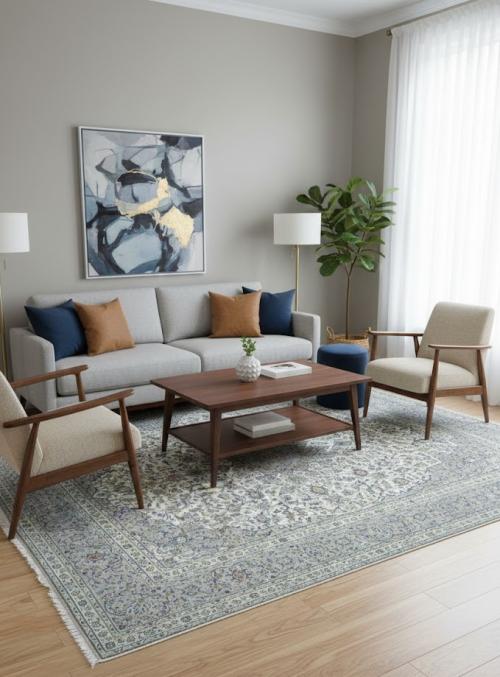
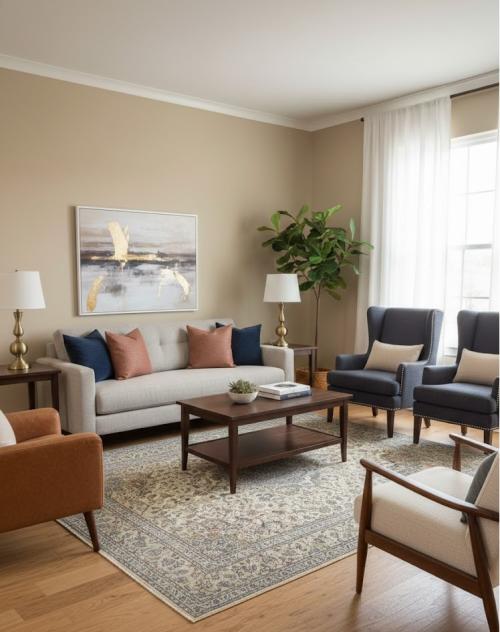
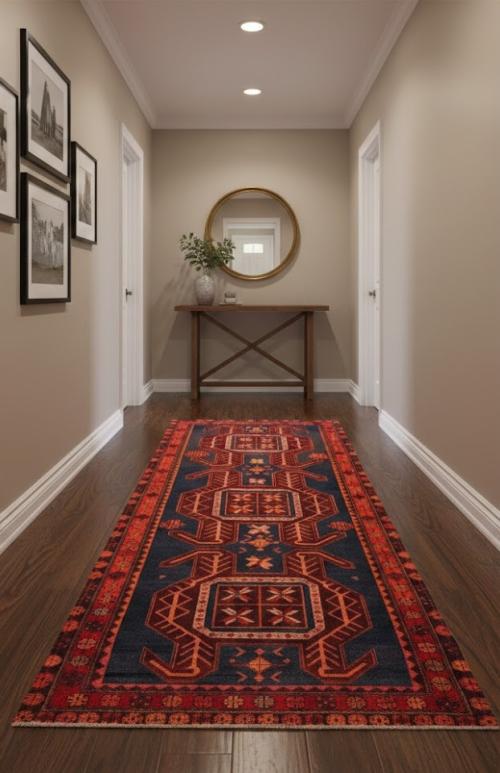
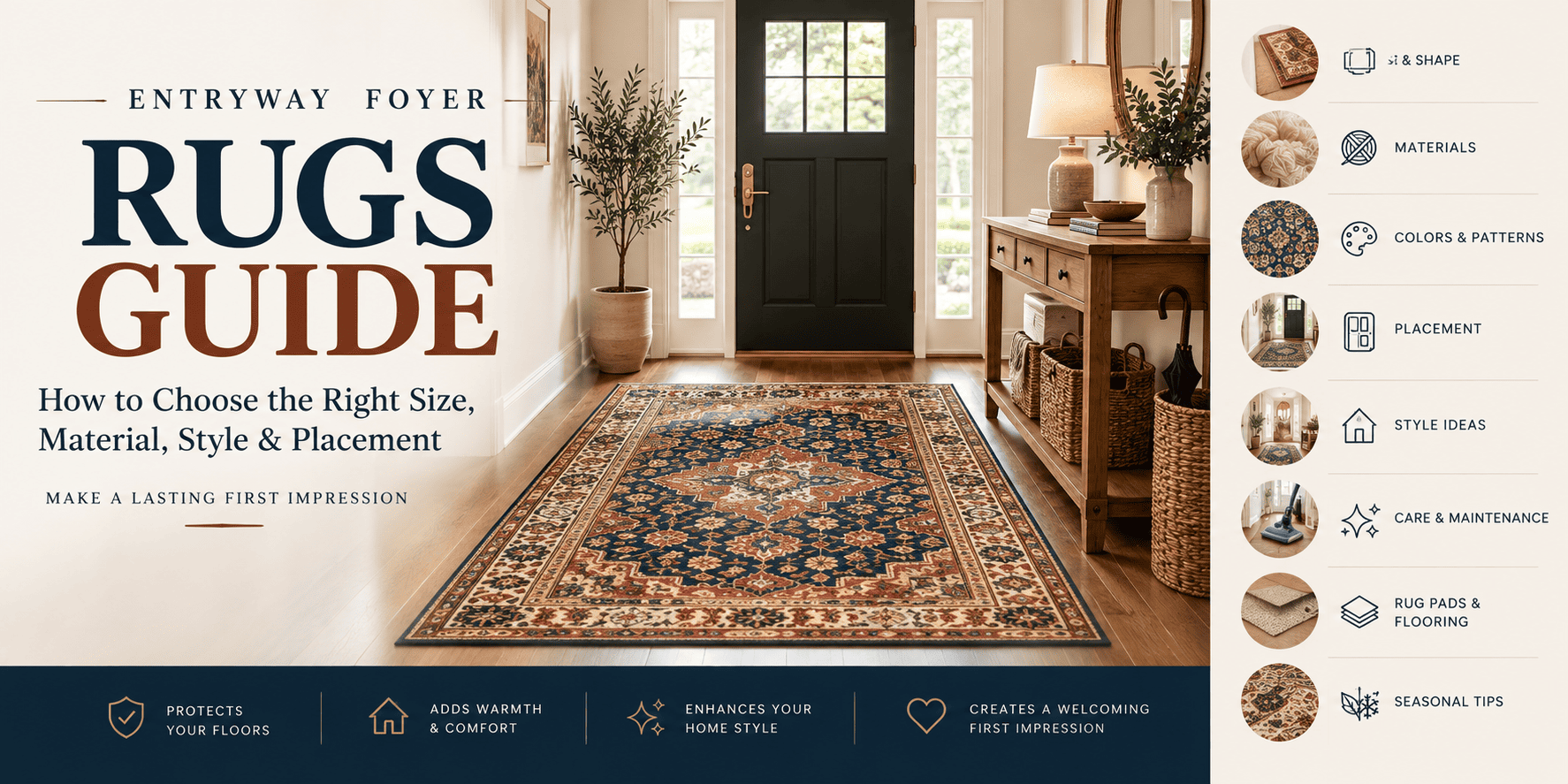
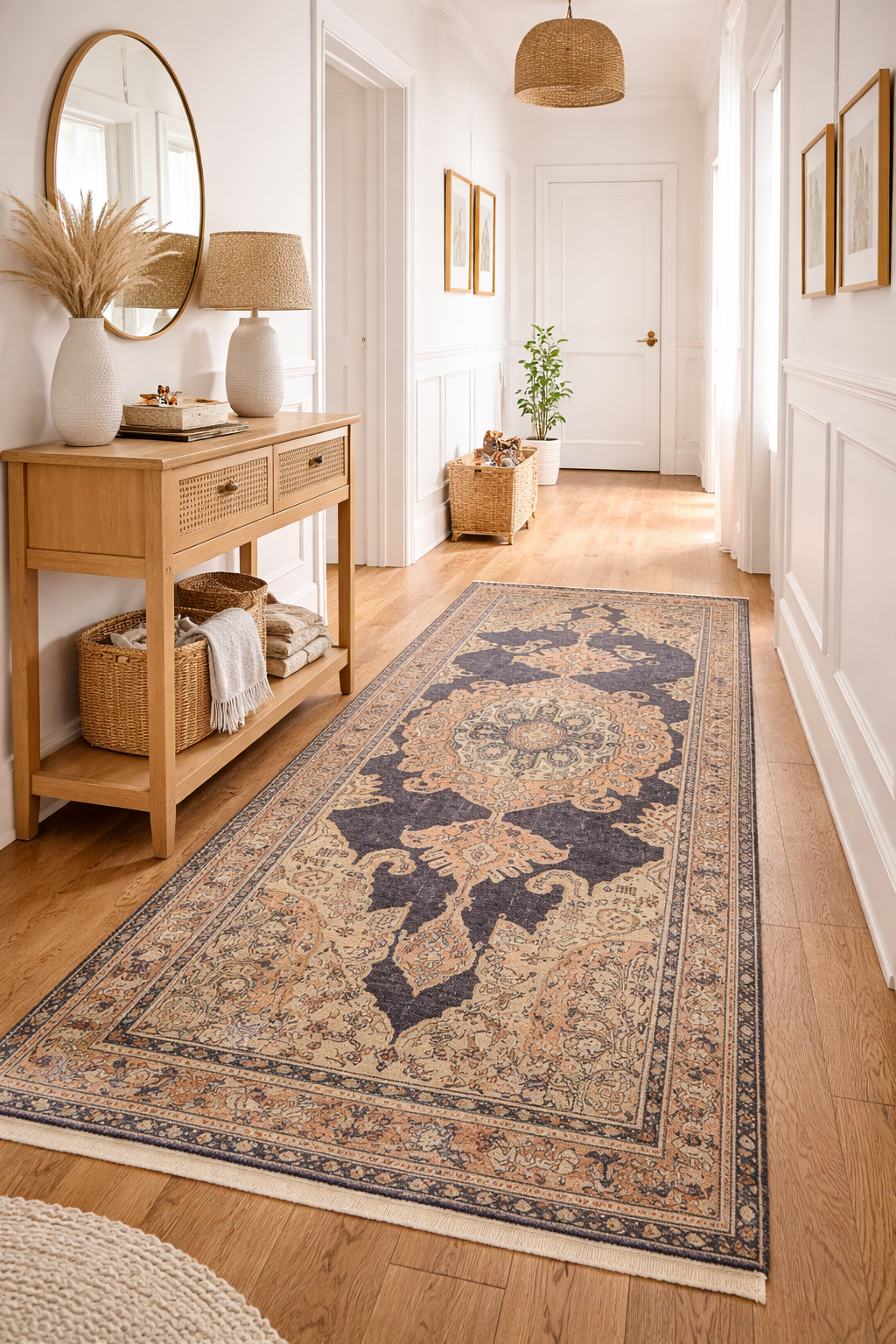
Persian rugs come in a variety of sizes, right from small entryway pieces to extra-large area rugs for huge rooms. Small rug sizes from 1x2 to 3x5 are suitable for entryways.
Medium rugs from 4x6 to 7x10 can be used in small apartments and kids' rooms. Large and extra-large rugs from 8x10 to 12x15 and above are used in bedrooms and large living rooms.
| Persian Rug Size | Best For |
| 2×3 ft | Entryways, bathrooms, kitchens |
| 3×5 ft | Small foyers, reading corners |
| 4×6 ft | Home offices, small bedrooms |
| 5×8 ft | Bedrooms, apartments, small living rooms |
| 6×9 ft | Medium living rooms, dining rooms |
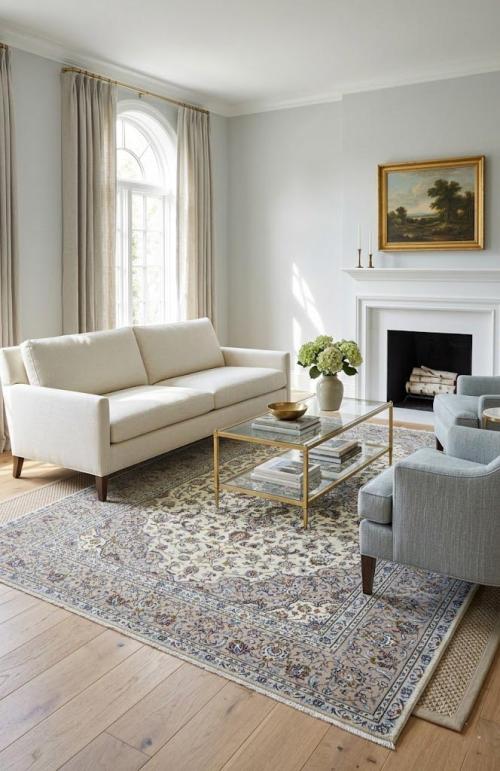
| 8×10 ft | Standard living rooms |
| 9×12 ft | Large living rooms and dining rooms |
| 10×14 ft | Open-plan homes |
| 12×15 ft & larger | Great rooms and luxury interiors |
| Runner Size | Ideal Location |
| 6–7 ft | Small hallways |
| 8–9 ft | Kitchens and medium hallways |
| 10–11 ft | Long corridors |
| 12–13 ft | Large hallways |
| 14+ ft | Grand entrances and extended corridors |
Measure the room before shopping.
Leave exposed flooring around the rug for balance.
Ensure dining chairs remain on the rug when pulled out.
Consider traffic flow and furniture placement.
Persian rugs can range anywhere from a few hundred dollars to a few thousand dollars depending on their size. Most hand-woven rugs made on modern looms can be found at prices ranging from $500 to over $700 (medium-sized rugs).
However, it is not uncommon for antique or vintage Persian rugs to be sold at auction for hundreds of thousands of dollars. This is because the wool and silk used in them are very hard to come by today and were extremely costly when originally created. Some of these rugs can only be found at museums or other very rare sources.
At Magic Rugs, we have Persian area rugs starting from $100 to over $10,000. And we deliver all these free of cost all over the United States.
Always use rug pads with Persian rugs to keep them from sliding, folding, and scratching against the floor.
Weekly Care Routine:
Vacuum Lightly: Vacuum your Persian rug weekly WITHOUT the beater bar.
Blot Spills Immediately: NEVER rub a spill. Only blot it with a clean cloth.
Monthly Care:
Rotate the Rug: Every 3 to 6 months, rotate the rug for even wear.
Check for Pests: Check for moths and pests every month in the rug fibers.
Air Dry the Rug: Air out the rug every 3 months on a dry, sunny day, without direct exposure to sunlight.
Bi-Yearly Professional Cleaning:
If you are using a Persian rug in a high-traffic area like the living room or dining room, it needs a deep clean every few months/years. Do not attempt to do that with chemicals at home.
Most of the damaged rugs we have received for restoration are because someone used an enzyme cleaner from a pet store to clean the rug. So, get your rugs cleaned by professional rug cleaning services like Magic Rugs.
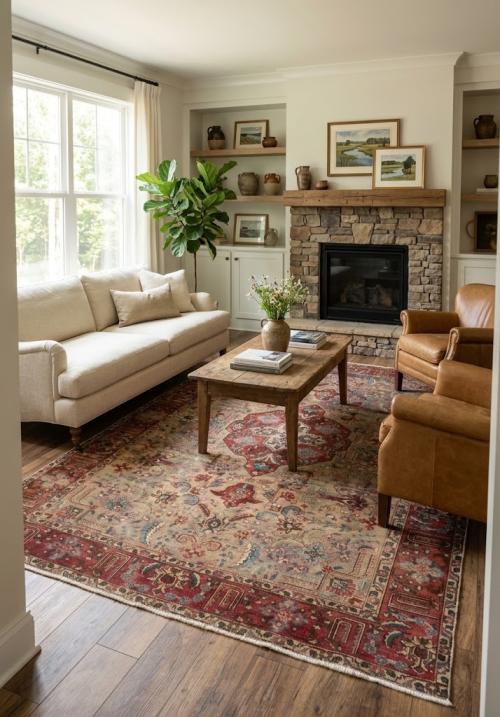
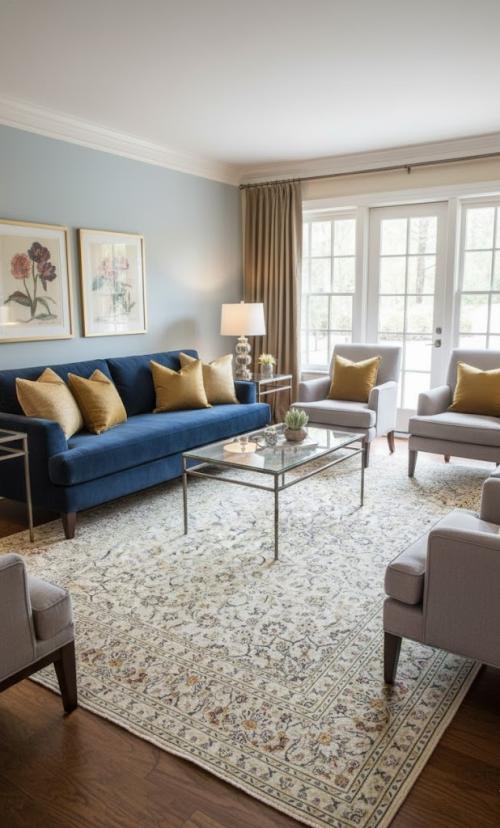
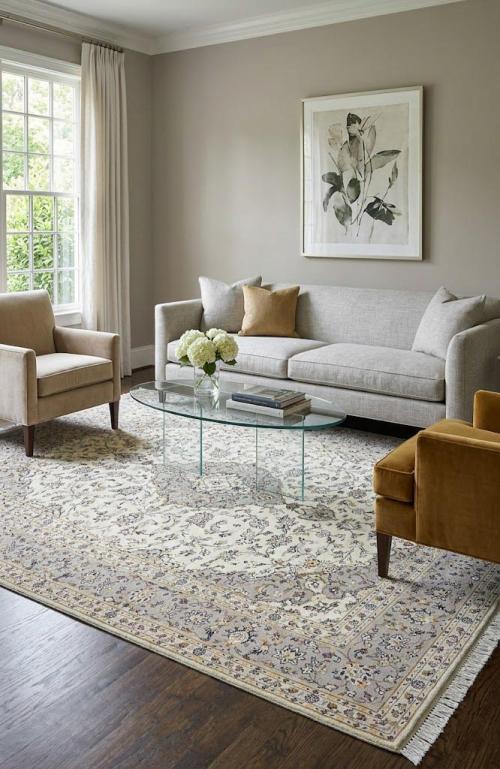
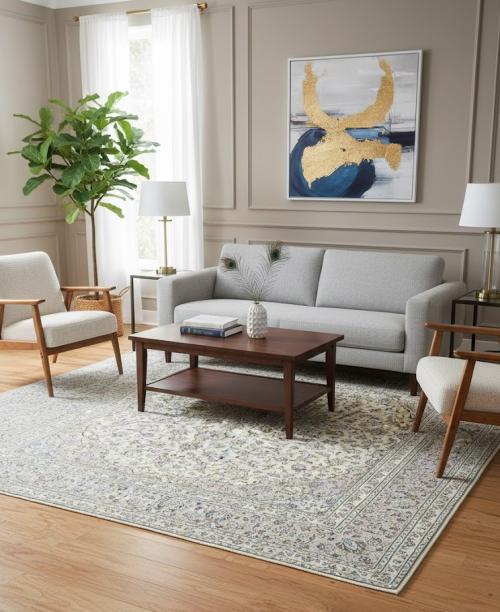
Persian rugs come in many different sizes and styles. Their sales rates in the U.S. are tremendous, with a great number of people buying area rugs for their homes or using them in their offices to add texture to a room’s hardwood floor.
Persians rugs are used in:
Living Rooms
Entryways
Dining Rooms
Hallways
Kitchens
Bathrooms
Bedrooms
Kids Rooms
But these are not the only purposes a Persian rug could work for. Rather than only being used as floor covering in the living room or the dining room, they can be placed on top of furniture, as a very exotic tablecloth. Or against walls to add the specific enfilade effect every house owner should want to add to their art deco.
You can buy authentic Persian rugs at Magic Rugs at affordable prices. We have a store in Charlotte, NC. If you are from the area, do stop by. Or you can make a purchase from our online rug store.
At Magic Rugs, we offer a wide and comprehensive catalog with impeccable quality at affordable prices. With our help, you can find the perfect Persian rug for your home.
You will find a lot of rug sellers selling at less than standard prices. However, very few of them are authentic. These sellers try to pass machine-made Persian-style rugs as handmade ones. But you can identify true vs fake Persian rugs based on the points we discussed above.
Shop Persian Rugs at Magic Rugs
Persian rugs are traditional, hand-woven rugs from the region (formerly known as the region). They are known for their detailed designs and exquisite craftsmanship. These rugs are made from hand-dyed real wool and silk.
Persian rugs are handmade by skilled artisans. Each knot is tied with meticulous effort. A single 8x10 rug can take more than a year to weave. Considering all this, the price of Persian rugs is justified.
Yes, Persian rugs are an excellent investment because their value tends to increase over the years. If you buy a new Persian rug today, it will definitely go for a higher price 15 to 20 years later.
Persian rugs can last for decades, if not years. They are very resilient, so they can be used for 50 to 200+ years.
Most Persian rugs are red because of the abundant use of madder root in the dye-making process. Madder root gives distinct shades of red color which is used to dye the wool yarn for making rugs.
The ideal size for a standard living room is 8x10 rugs or 9x12 rugs. For more details, read Living Room Rug Size Guide.
Yes, you can buy authentic Persian rugs in the US from Magic Rugs. We import our rugs directly from the region, and our rug experts authenticate them in Charlotte, NC. We offer free home delivery throughout the US.
Share: