0 Items In Cart
No products in the cart.
Your privacy
Choose which cookies we can use. Your choice is saved for 12 months, and you can change it at any time from Cookie Settings in the footer. Read our Cookie Policy.
Needed for the site to work, such as your cart, checkout and account sign in. These cannot be switched off.
Remember your choices, such as your wishlist and recently viewed rugs, so the site feels personal.
Help us understand how visitors use the site so we can improve it. The data is collected in aggregate.
Used by our advertising partners to show you relevant Magic Rugs ads on other sites.


About the collection
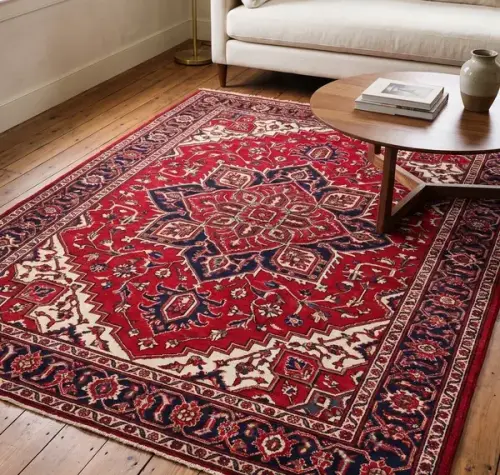
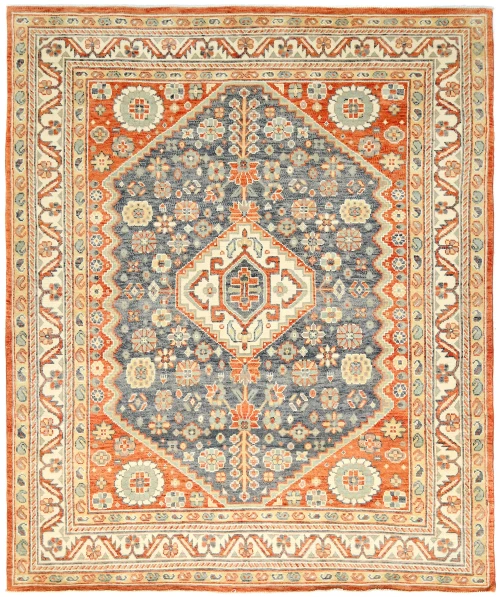
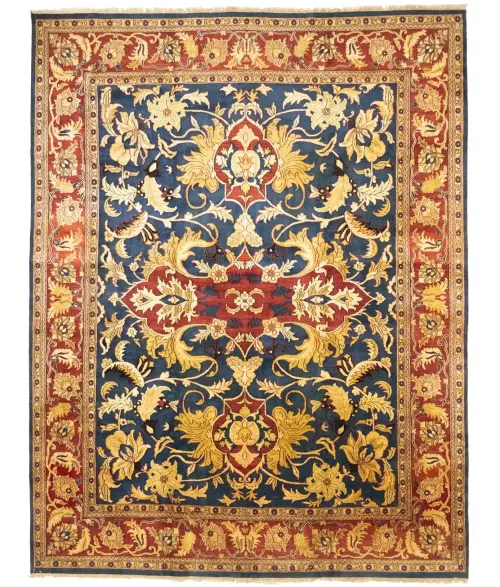
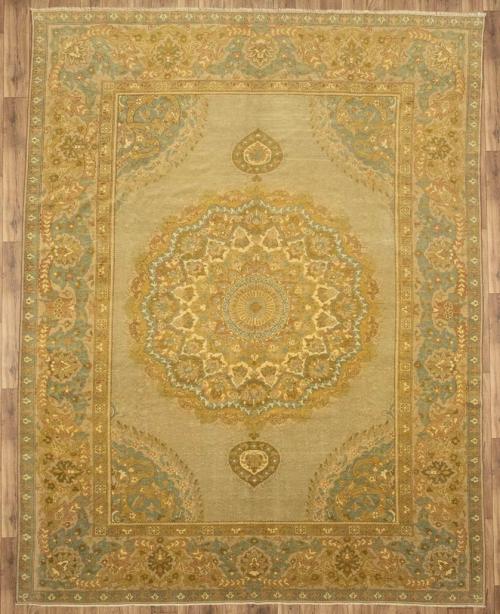
In Turkey, the art of weaving carpets and tapestry is an ancient tradition. The earliest examples of Turkish Rugs date back to the late Middle Ages, but they come in various styles and are generally woven with wool on a vertical loom.
Generally, the Turks were rug weavers for hundreds of years. Today, only a tiny fraction of Turkish rugs are still handmade by local artisans; most are machine-made by industrial looms from India or Pakistan.
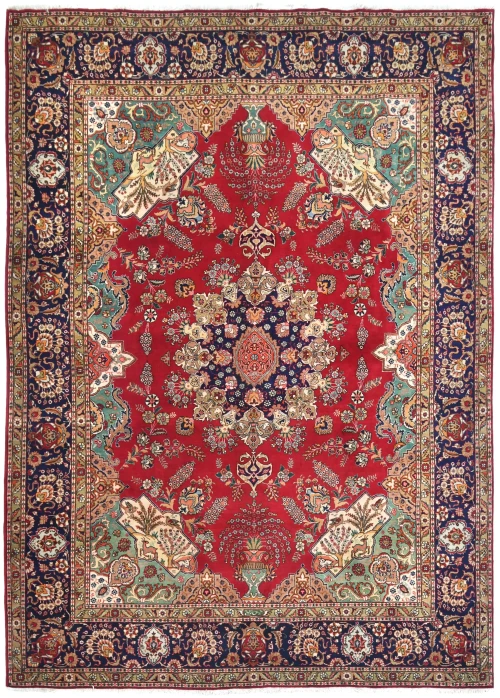
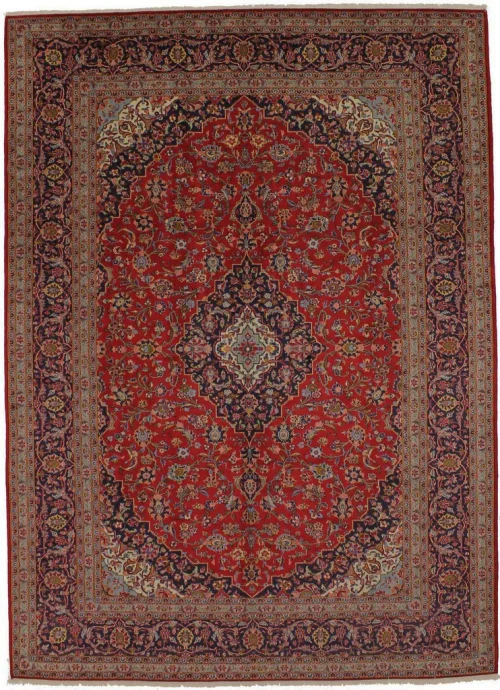
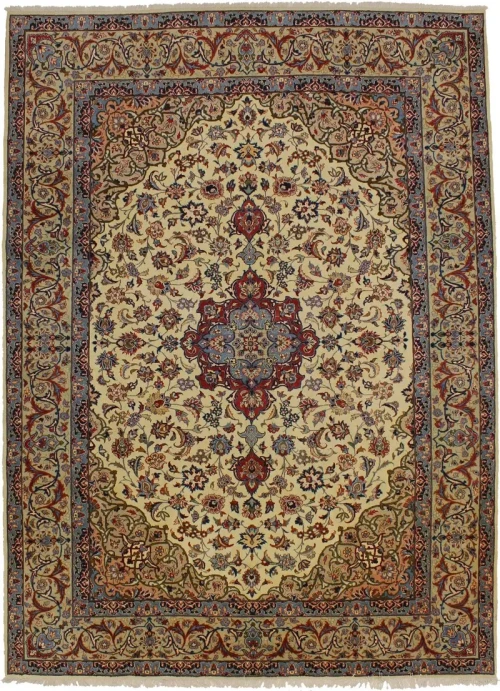
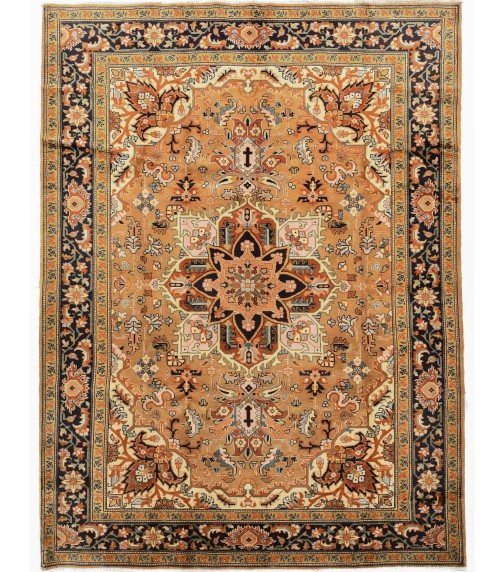
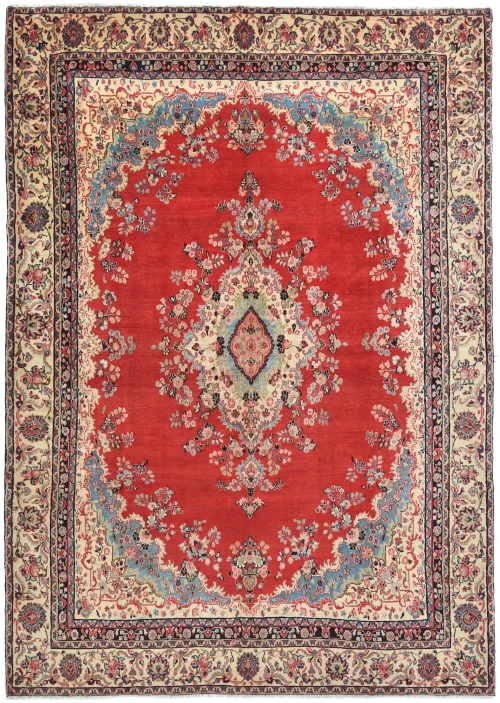
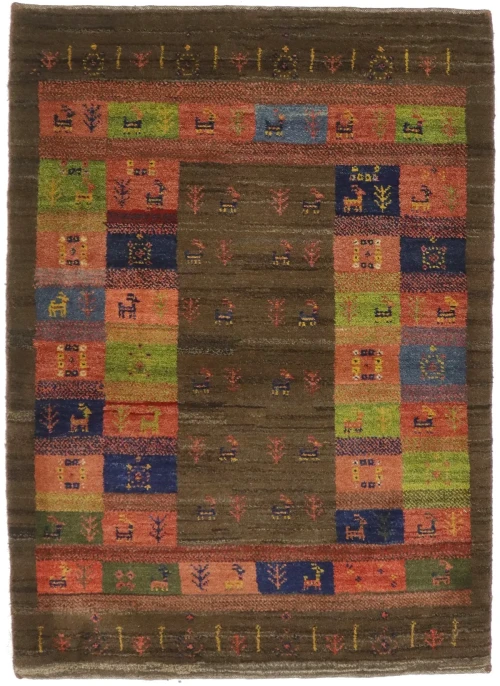
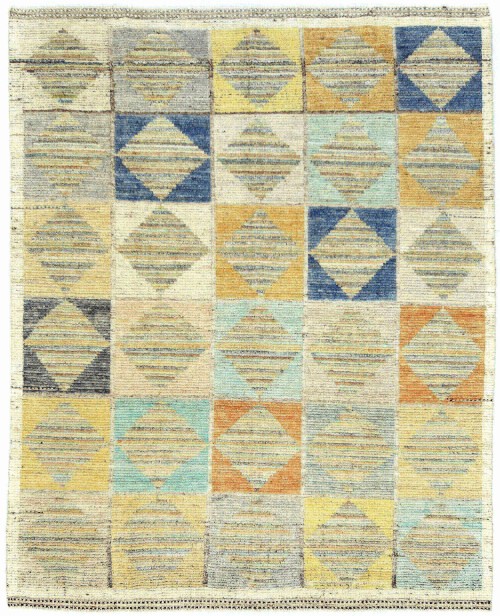
Vintage Turkish rugs are generally intricately woven, but modern ones tend to be more dense and durable, and these Turkish rugs designs feature large symmetrical designs or intricate floral designs, While Turkish rugs are generally known for their floral designs, other designs are also commonly known for their weaving, these are less common designs, but equally beautiful; they can feature animals and even calligraphy. Of course, there are also various styles of carpets.
Finding a completely white Turkish rug may be rather hard. They always have a design to portray.
Old, handmade Turkish rugs were said to be dyed with natural plants, whereas new rugs are dyed with synthetic dyes. There's no conclusive evidence of this; both older and newer rugs can be found using either kind of dye.