Cart (0)
No products in the cart.

Table of Contents
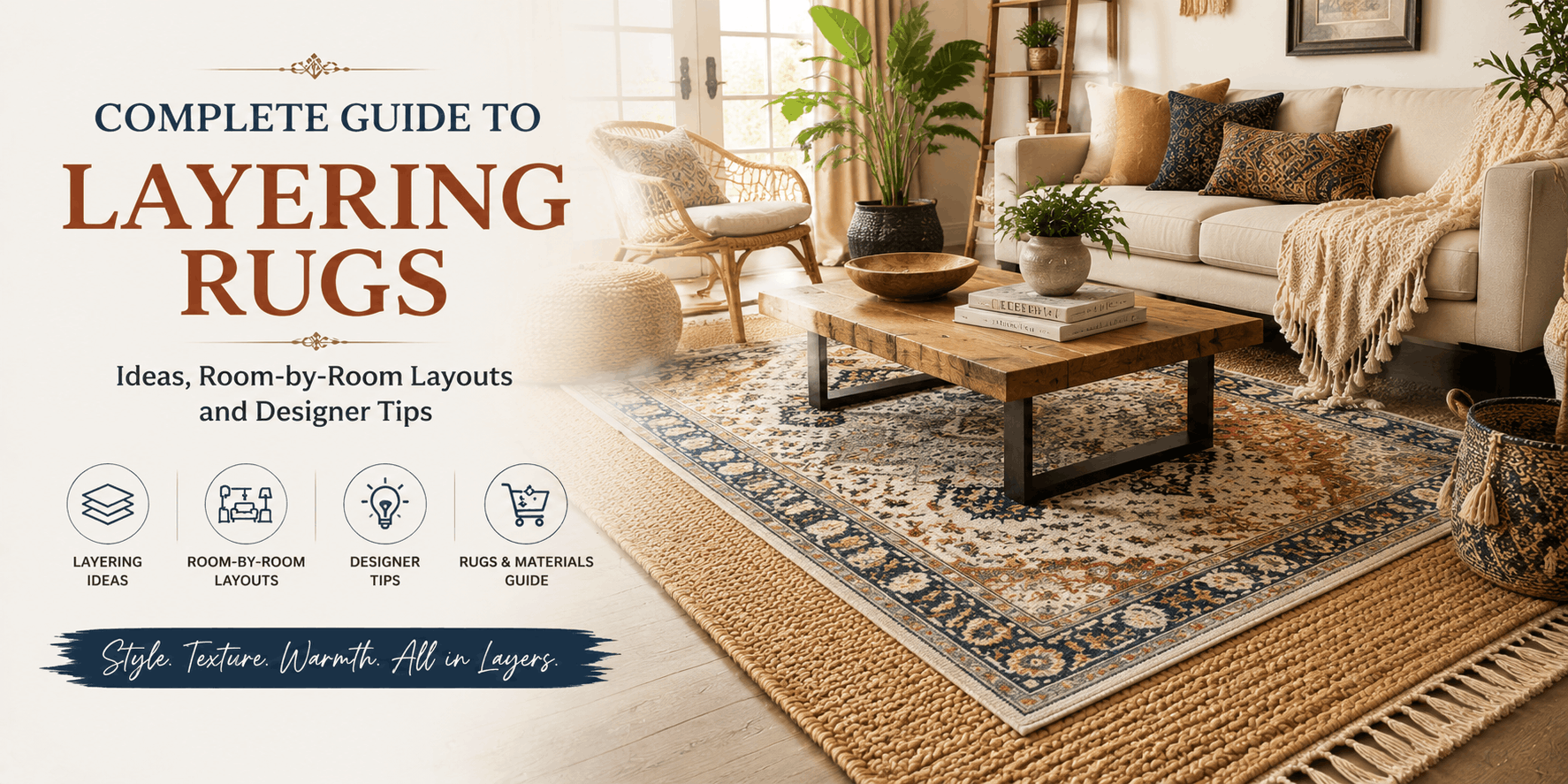
Layering rugs is a simple way to place a rug on top of another one to make your space appear warmer, more stylish, and professionally designed. It enhances a space’s texture, highlights furniture placement, safeguards valuable handmade rugs, and defines different areas in your home.
No matter what changes you want, whether you need to refresh your living room, decorate your bedroom, or showcase a handmade Persian rug, this rug layering method unlocks endless innovative design options.
This guide includes everything related to rug layering, from selection of sizes and materials to space-oriented layout plans. It also involves designer-influenced methods, common mistakes to avoid, and practical creative ideas that suit both contemporary and traditional homes.
Quick Tips:
Rug layering gives a sense of depth, comfort, and style in a space.
Pair a larger neutral base rug with a small decorative rug on top of it to achieve balance.
You can mix and match textures with colors, rather than coordinating every detail exactly.
This layering technique can also protect valuable Persian and Oriental rugs, while making a space look professional.
For a clean look, make sure to follow the appropriate sizes, use rug pads, and avoid looking overpowering.
Layering rugs refers to the method of placing one rug on top of another to create a textured, defined look in a space. It also safeguards the floor and adds colors while establishing a space that looks well-designed and professional.
This simple decoration method goes well with almost all rooms and is suitable for both traditional and contemporary spaces.
Rug layering means placing a larger base rug under a smaller decorative rug. The bottom rug primarily gives proper coverage, while the rug placed on top of it becomes the focal point.
Homeowners opt for rug layering to add a personal touch to their space without changing their current flooring. It is the correct way to change the look of the room, safeguard valuable handmade rugs, and make open spaces feel more calm and welcoming.
Yes, layering rugs is still in style because it provides character, texture, and change to a space. These rug layering methods are mostly used in rich homes, apartments, and open-plan spaces.
Rug layering works best when it is properly placed in areas such as living rooms, bedrooms, entryways, home offices, and open-plan homes. In these spaces, it sections the area into different functional zones to boost both practicality and the visible appeal of the entire space.
Layering rugs means placing one rug over another to add texture, define spaces, protect flooring, introduce color, and create a designer-inspired look. |
Layering rugs has more to do than just enhancing visual appeal. It enhances comfort, protects costly high-end rugs, helps homeowners achieve well-balanced decor, and allows them to choose different colors, patterns, and materials.
Layered rugs add various textures and dimensions, making an entire space feel richer and more professional.
A large-sized base rug visually enhances the floor area, while a small decorative rug defines the space’s structure without making the room look cluttered.
Two layers of rugs create a softer underfoot feel and provide improved thermal insulation, making the space warmer and more cozy during the entire year.
Placing a long-lasting underpad below a handmade rug can reduce direct wear and tear caused by heavy foot traffic and furniture arrangement.
Layering uses a neutral base to highlight the intricate patterns of handmade Persian and Oriental rugs, naturally drawing the focus.
The open-layout plan for large homes is a perfect area for layered rug use; it can separate living, dining, and seating areas without adding physical partitions.
Simply swapping the top rug allows homeowners to blend well with seasonal color schemes or current trends, eliminating the need to replace a full room with a sized rug.
Instead of purchasing a single extra-large high-end rug, homeowners can pair a reasonable rug placed at the bottom with a smaller decorative rug.
Designer Tip: Placing a reasonable jute or sisal underpad beneath a handmade valuable Persian rug not only minimizes wear, but also fully reflects the rug’s complex patterns. |
To successfully layer rugs, you must have to first select suitable sizes, textures, colors, and materials. By following some simple rules, it creates a well-organized and balanced visual effect that never looks overpowered.
Use a larger rug as a base, it should be long-lasting and neutral-toned. Jute, sisal, and flatweave rugs are usual options, providing natural texture without hiding the top rug.
The upper rug should be smaller and decorative. Persian rugs, Oriental rugs, wool rugs, or patterned rugs usually work well to become the visible focal point of the entire space.
Leave enough visible area of the base rug on each side of it to create a clean border, and keep the layered rug design from looking cramped.
Pair materials with different textures, such as combining natural fibers with natural wool, or with long-pile rugs. The coordination between materials gives visual appeal while maintaining the balance of the entire space.
Go with colors that complement each other, and use neutral tones as a base. These neutral base rugs with strong bold patterns highlight without making the entire space feel cluttered and crowded.
Pair dramatic patterns with soft ones to establish a layered appearance to a space that feels defined rather than cluttered. If a rug has detailed patterns, pair it with another rug that has a simple design that goes well with color and style.
Restrict your creativity to two rugs to keep the space looking clean and balanced. Layering too many rugs makes the space feel cramped, creates an uneven floor surface, and also increases the chances of slipping.
Place a high-quality, anti-slip pad beneath the two layered rugs to hold both layers tight in place and prevent slipping. The anti-slip pad also minimizes rug lines, protects the floor, and increases the life of both the rug pad and the top rug.
Select a bottom rug that is larger than the top one.
Coordinate colors that match your room’s interior.
Define bold and soft patterns to avoid a crowded look.
Mix different textures to add depth and dimension.
Pair well-matched rug materials to ensure long-lastingness.
Place a rug pad under the rug to prevent slipping.
Selecting the appropriate sizes makes sure that the layered design looks purposeful and properly balanced. The top rug should be smaller than the bottom rugs, with an even border of open bottom rug along every corner.
Base Rug | Top Rug | Best Room |
10'x14' | 8'x10' | Large Living Room |
9'x12' | 6'x9' | Living Room |
8'x10' | 5'x8' | Bedroom |
6'x9' | 4'x6' | Home Office |
5'x7' | 3'x5' | Entryway |
Round 8' | Round 5' | Dining Room |
Leave a visible border of the bottom rug at least 12 to 24 inches at the top. This border frames the top rug and gives a well-balanced appearance.
Keep the edge's width consistent on all sides whenever possible. A properly visible width makes the layered design look cleaner and well-defined.
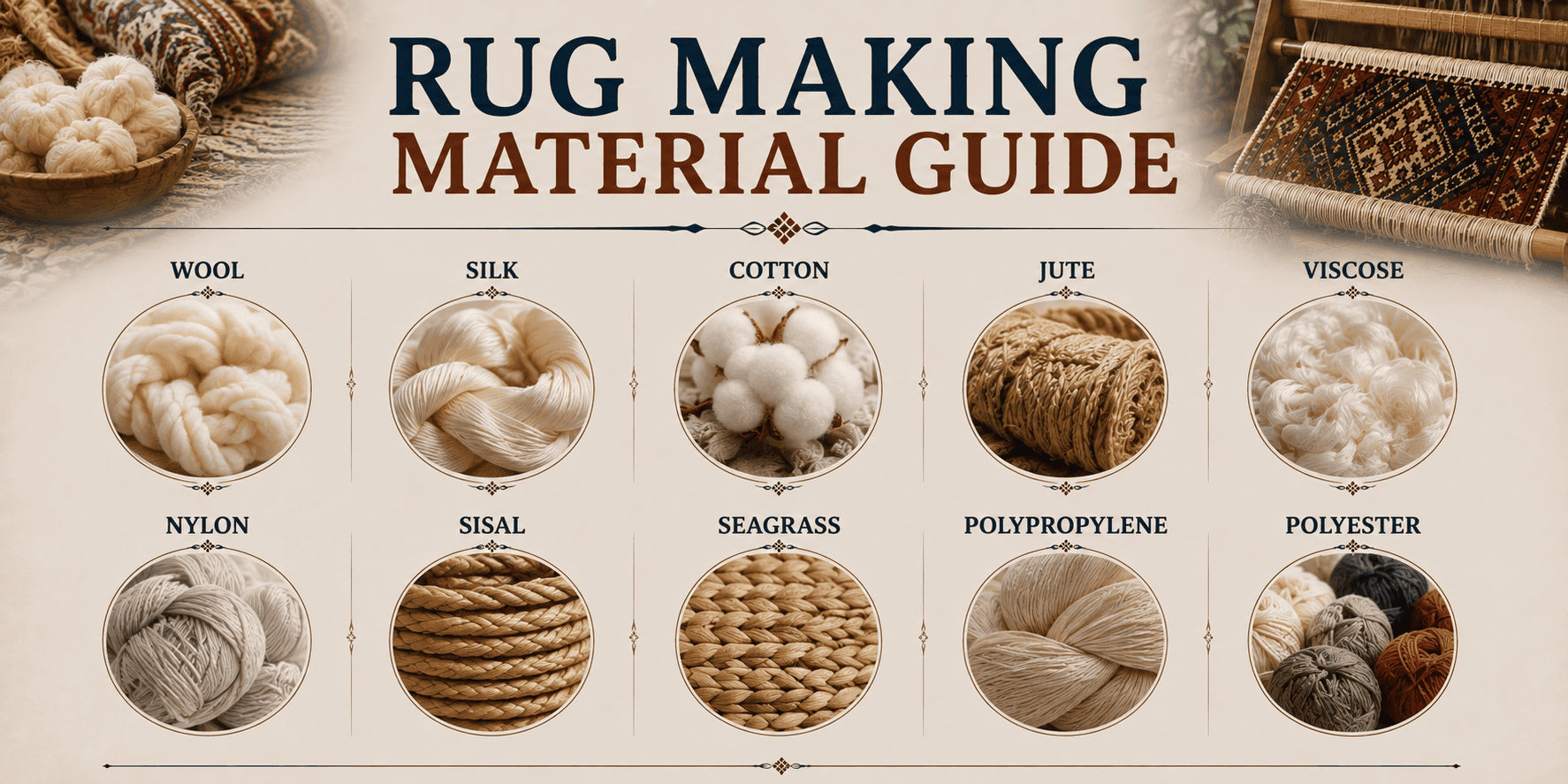
Blending different rug materials creates a layered look and enhances long-lasting durability. Pairing soft materials with textured materials often produces the most appealing layered effect.
Base Rug | Top Rug | How It Works |
Jute | Persian Rug | Natural texture reflects intricate patterns. |
Sisal | Oriental Rug | Long-lasting base with elegance. |
Wool | Wool Rug | Gives a rich, comfortable and warm feel. |
Cowhide | Wool Rug | Brings a contemporary look with layered statement pieces. |
Flatweave | Plush Rug | Texture contrast adds depth. |
Cotton | Vintage Rug | Creates a casual yet stylish look. |
Synthetic | Handmade Rug | Reasonable protection for valuable rugs. |
To layer rugs properly, choose two rugs that have common design elements, such as colors, textures, or pattern styles. The right match establishes depth, warmth, and a professional look.
Traditional-style layering merges classic patterns, rich vibrant colors, and timeless textures. Pair a Persian or Oriental rug with a simple neutral base to represent the craftsmanship and give an alluring layered look.
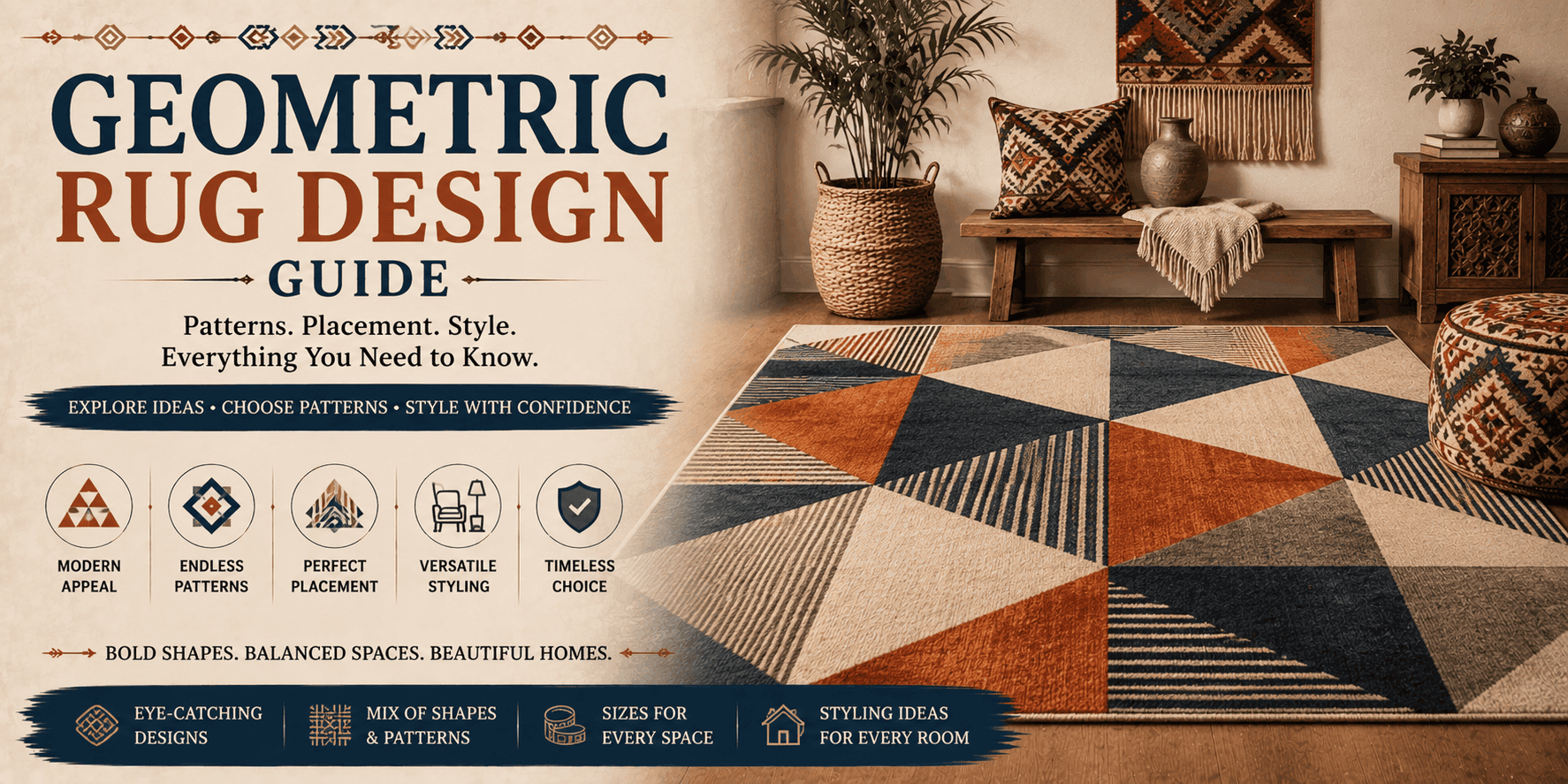
Modern-style rug layering focuses on clean lines, normal patterns, and balanced colors. Laying a textured neutral rug under a dramatic geometric-patterned rug creates a contemporary style with visual appeal.
Transitional-style rug layering merges traditional patterns with contemporary simplicity. Pairing a retro, well-designed rug with a soft solid-color rug makes a space balanced and comfy.
Layered Bohemian-style rugs incorporate patterns, textures, and natural materials. Pair kilim rugs, woven rugs with antique rug designs to create a relaxed, creative atmosphere designed for a collected touch.
Farmhouse style goes well with soft colors and natural textures. Place a neutral colored jute rug with a light-patterned rug to provide warmth and maintain a cozy farmhouse environment.
Scandinavian style focuses on simple and comforting layering. Pick light-colored rugs with soft textures and limited patterns to create an open and blissful space.
Minimalist style depends on fewer elements to create a clean appearance. Select rugs of the same tone with soft textures to add depth without making the space overcrowded.
This method merges natural fibers, earthy tones, and antique designs. It combines wool or jute rugs with washed textures to establish a warm, relaxed, and welcoming environment.
Layering eclectic rugs unlocks more innovative potential by putting different patterns, colors, and materials together. At least one color should be common in rugs to make a space look well-balanced and elegant.
Well-paired patterned rugs can become a statement piece and focal point of a space. The base of successful pairing is to balance patterns by these three dimensions: scale, color, and texture.
Mix and match patterns of different sizes to avoid visible overcrowding. For example, a large-sized floral rug goes well with a smaller geometric rug, because both patterns get enough individual space to stand out.
Choose rugs that have at least one color in common to establish a natural look. When the different patterns look purposeful, and their colors match each other, the overall arrangement looks refined and balanced.
An antique Persian or Oriental rug looks great when placed on a simple, solid-colored rug. The simple base helps the intricate, delicate patterns come as the central highlight.
Geometric and floral rugs work well when paired properly. By using matching color tones and differing pattern scales, you can establish a great look like a professional designer.
Layering rugs in different rooms establishes a well-relaxed and defined seating arrangement around living areas. Go for a large base and place a smaller rug under the main furniture area to serve as a focal point.
This layering adds texture, comfort, and gives designer-influenced appeal.
Layering rugs not only increases comfort but also connects different seating areas in the living room. It is advised to select a large base rug, then place a small stylish rug under the main furniture.
1. Under Coffee Table
Use a small decorative rug under the coffee table to create a focal point. This layering method establishes texture while connecting the seating arrangement.
2. Floating Furniture
For floating furniture design, choose a large defined rug that comes out the edges of the furniture. Add a small decorative rug to highlight the central area of the space.
3. Sectional Layouts
Sectional sofas pair with extra-large base rugs, and small patterned rugs placed next to the coffee table to achieve an anchored look in large spaces.
4. Open-Concept Spaces
In open-plan spaces, rug layering is used to section different areas. Use various textures while maintaining consistent colors over the entire space.
Layering rugs in the bedroom establishes a soft and warm environment. You can layer rugs around the bed to provide extra comfort and warmth.
1. Under King-Size Bed
A large rug is placed under a king-size bed, and a small decorative rug can be layered at the foot of the bed to enhance the style.
2. Queen-Size Bed
A queen-size bed can be paired with an 8×10 base rug, and a small patterned rug can be placed at the bedside or at the foot of the bed.
3. Twin Beds
Placing a layered rug of the same size under two twin single beds establishes an aligned and balanced bedroom design.
4. Bench Layering
Placing a small rug underneath the edge of the bedroom bench provides a decorative detail, while also making the space look complete and clean.
For a layered rug arrangement in a dining area, you can choose a long-lasting base rug to pair with a decorative upper rug to place under the dining table.
At the same time, make sure the rug does not get stuck into the chair edges and provides smooth movement of dining chairs.
1. Round Tables
Select a round base rug of a size that reaches out of the dining chairs, then layer a smaller round rug or simply patterned ones on top of it. This layering method provides a well-balanced and elegant look around the dining area.
2. Rectangular Tables
Select a large rectangular base rug, and layer a decorative rug at the center. Make sure both rugs are big enough to provide smooth movement even when dining chairs are pulled out.
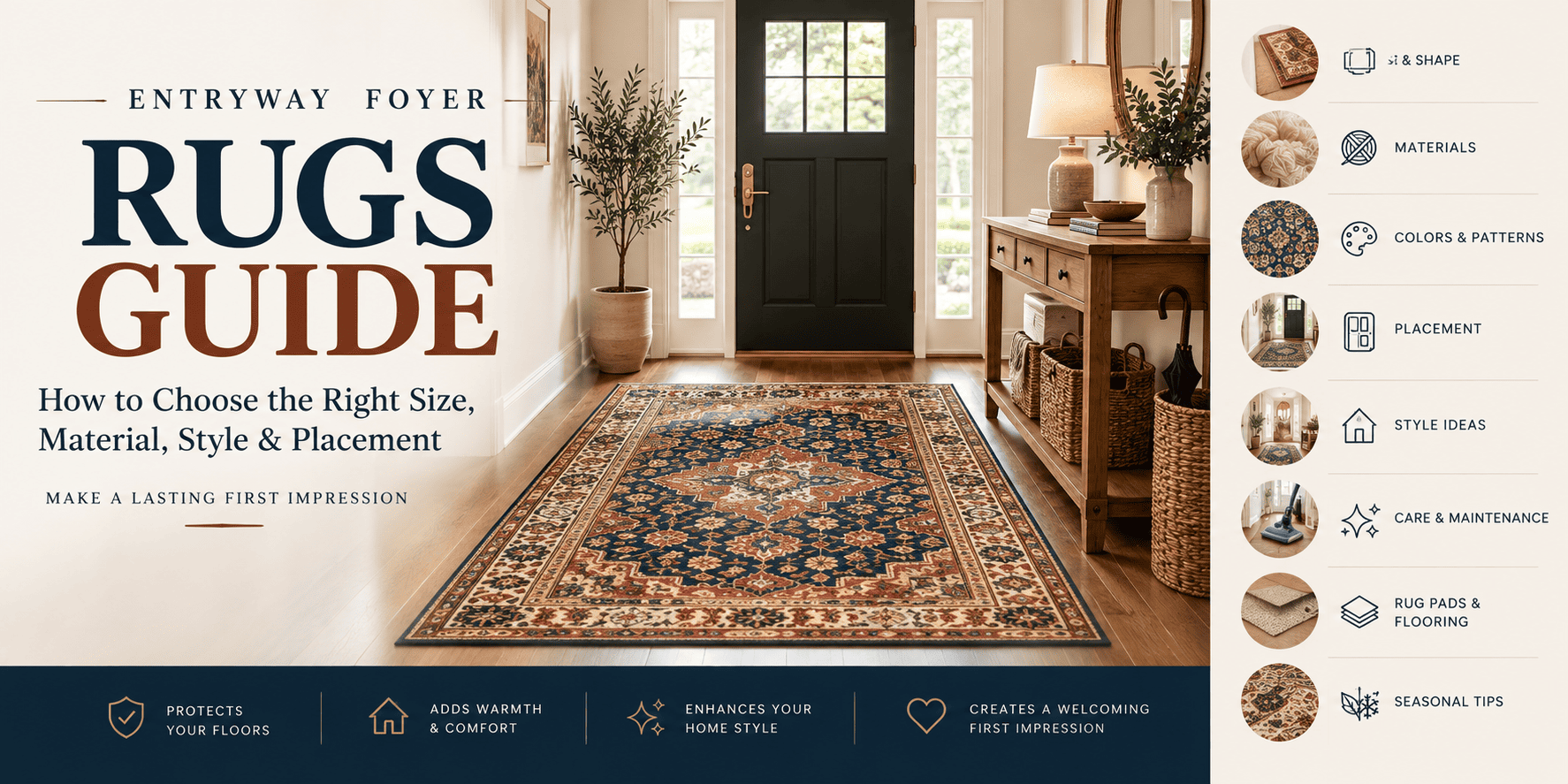
The entryway arrangement is very suitable for rug layering, which balances durability and look. You can opt for a natural fiber base rug and merge it with a small patterned long runner to create a warm and welcoming environment around the home entrance.
Runner Over Jute Rug
Put a patterned long rug on a wide jute base rug to turn the entrance area into a warmer, more welcoming space. The natural base rug adds character, while the long rug provides color and personal style.
Small Accent Rugs
Small layered rugs fit well in compact entryways while a full-length runner rug cannot fit. Make sure to select a long-lasting material that easily handles daily foot traffic.
For a layered rug setup in the kitchen, you can pair a washable long runner with a textured rug, and you should place them near the sink and cooking area.
Washable Rug layering
Place a washable runner rug over a flatweave base rug for more underfoot comfort and to easily clean it. This method works well around high-traffic kitchens or households with pets and children.
Galley Kitchen
These layered runner rugs are suitable for long corridor-style galley kitchens. Select a low-pile rug to prevent the risk of slipping while establishing warmth underfoot.
A layered rug arrangement adds comfort and unique style to a work area. You can choose a soft base rug, then put a small decorative rug under the desk in the office.
Desk placement
Place a layered rug under your desk and chair to balance a dedicated work area. Select a low-pile rug to let your office chair move smoothly without getting stuck into the edges.
Reading Nook
Put a soft decorative rug over a neutral-toned base rug to establish a cozy reading nook. Add a chair, side table, and floor lamp to make this space comfortable.
Go for soft, safe, and easy-to-clean rugs for a nursery, and then layer delicate rugs with simple patterns on them to make the space warmer and more comfortable.
Soft Layered Outdoor
Outdoor rug layering provides a fashionable designer touch to patios and balconies. You can pair a water-resistant base rug with a smaller decorative rug to establish a unique personal touch to the space.
Outdoor Rug Layering
Use water-resistant outdoor rugs to turn patios, porches, and balconies into open-air living spaces. Select quick-drying materials that can easily tackle direct sun exposure, rain, and heavy foot traffic.
Layering handmade Persian and Oriental rugs combines traditional craftsmanship with modern comfort, creating a rich, designer-crafted texture that adds depth, visual layering, and unique personality to a space.
Most notably, this approach elevates the distinct patterns and craftsmanship of the rugs to become the visual centerpiece of the room.
Layering handmade Persian and Oriental rugs combines cultural craftsmanship with contemporary comfort, establishing a rich, well-designed texture that gives style, character, and personal touch to a space.
This approach elevates the unique patterns and the craftsmanship of the rugs to become the point of attraction.
Yes, as long as they are paired with different sizes, textures, and coordinated colors, Persian rugs can produce dramatic layered effects. Placing a small handmade Persian rug on a larger solid colored rug creates a balance, while showcasing the intricate patterns.
Layering antique rugs and modern rugs together creates unique styles. Antique rugs establish history and character, while contemporary designs come with vibrant colors and dynamic patterns.
Persian heirloom rugs need proper care during layering the rugs to maintain the quality of handmade fibers and natural dyes. Pairing with proper rug pads, using easy cleaning methods, and regular maintenance help protect the look and value of the rug.
With carefully designed layering techniques, collectible Oriental rugs can be displayed as the artistic centerpiece of a space. Placing them around important areas such as living rooms or reading corners depicts their excellent craftsmanship and unique designs.
Using a museum-influenced style for rug layering, it is important to establish a balanced atmosphere that frames the rug as a precious piece of craftsmanship.
Pairing it with minimal furniture, a neutral environment, and proper clear spacing reflects intricate details of collectible Persian rugs.
Avoid placing valuable silk rugs directly under heavy furniture. |
Read this rug placement guide
Seasonal rug layering methods help refresh your space by changing the colors, textures, and patterns throughout the entire year. Proper layering combinations can provide a cozy atmosphere, but also match the vibe of each season.
Spring rug layering establishes a vibrant decor with fresh colors, soft textures, and natural patterns. Floral Persian rugs, pastel color palettes, and lightweight materials add a proper refreshing seasonal touch.
Summer rug layering prioritizes breathable textures and light, pale tones to maintain that the space feels open. Neutral-toned rugs, flat-weaves, and washed Persian patterns work well together to establish a relaxed summer style.
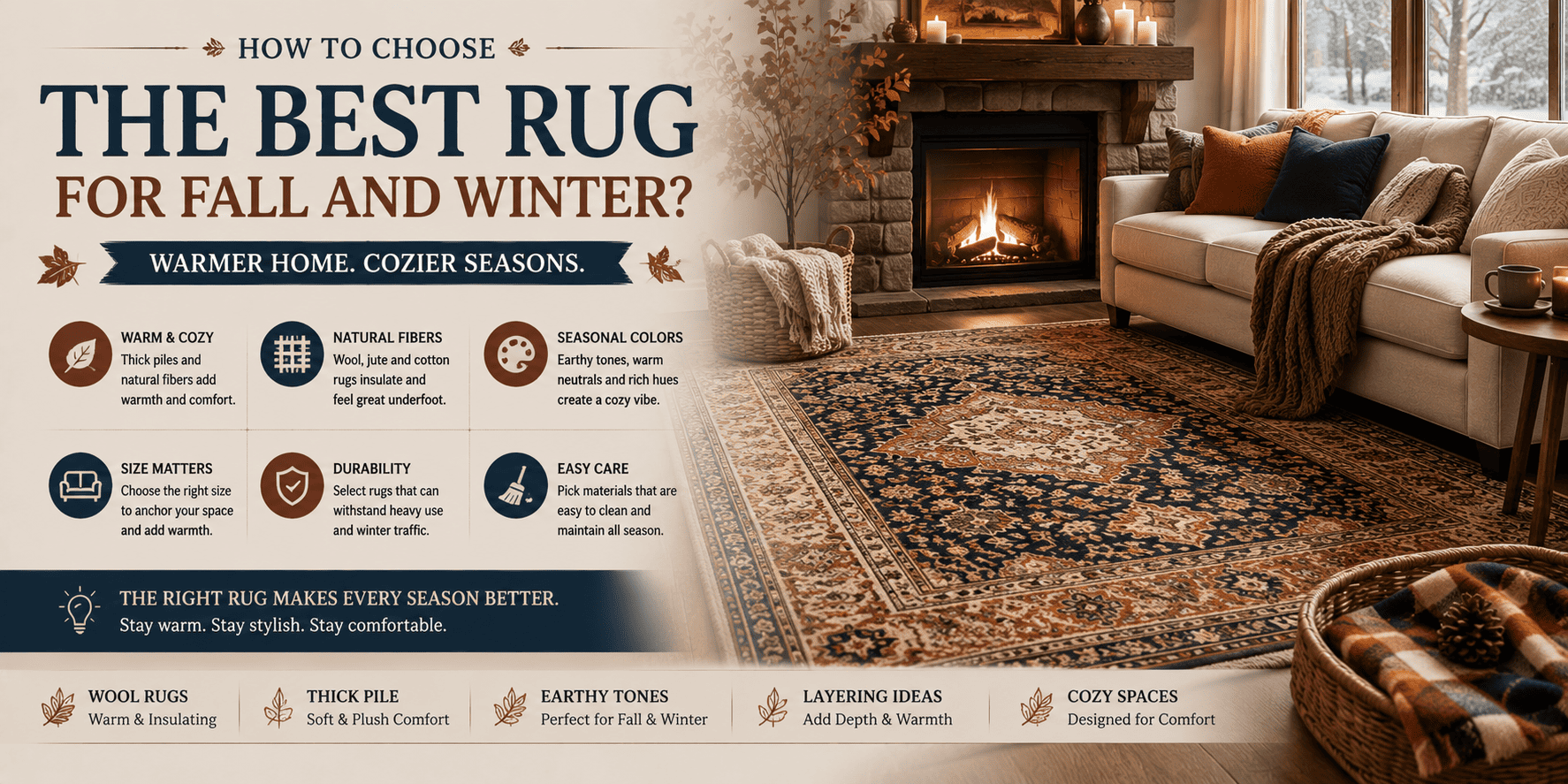
Autumn rug layering features rich colours and cosy textures to make a space feel more welcoming. Warm hues such as rust red, brown, and terracotta go well with traditional Oriental rug patterns.
Winter rug layering provides more warmth and comfort using rich textures and refined designs. Wool rugs, combined with handmade Persian pieces, create a warm, elegant atmosphere during the colder months.
Color selection is the key to successfully layering rugs as it balances different patterns and materials. Choosing the right color combinations creates a defined look that matches furniture and the overall interior decor style.
Using neutral-colored rugs helps establish a cozy, elegant, and stylish atmosphere. Beige, ivory, cream, and light gray colors establish visual interest in a space through their materials and patterns without overpowering other decorative elements.
Layered rug combinations in earth tones make a space naturally warm and add natural texture. Shades like brown, olive green, terracotta, and sand work well with wooden furniture and cozy soft furnishings.
Layered rugs with bold colors create dramatic and personal style in a space. Burgundy and navy blue with eye-catching patterns for style, as they need to be balanced by simple surrounding soft furnishings.
Monochromatic layering uses different shades of one single color palette to create a sleek, simple yet contemporary look. This style adds character and texture to the space while keeping the overall look clean, organized, and well-balanced.
Rugs in jewel tones provide a luxurious, rich texture to a space through their deep tones and elegant hues. Color tones such as emerald, sapphire, ruby, and amethyst create a well-balanced atmosphere, particularly when merged with traditional Persian patterns.
Layering rugs can refresh a room’s design, but improper pairing can make the space look cluttered and unbalanced. By avoiding common mistakes related to size, pattern, placement, and rug support, you can create a professional and visually appealing layered rug arrangement.
Layered rugs using incorrect sizes give an odd and disconnected look. The layered rug should reach out of the top rug, and leaving at least 24 inches of border is essential to get a clean look.
Using too many bold, attractive patterns makes the entire area look cluttered and overpowering. It is suggested to pair detailed Persian or Oriental rugs with simple-textured patterns to maintain balance.
Not using rug pads can cause rug slip, uneven wear, and damage to sensitive rug fibers. High-quality rug pads not only increase safety and provide underfoot comfort, but also protect both the rug and the floor.
Some rug materials do not provide proper grip when layered, and gradually lose hold. Picking matching materials and using proper rug pads keeps the other rug stable and gives a relaxed feel.
Incorrect furniture placement can hide the rug’s details and make the space feel undefined. Proper furniture placement is essential to keep the layered rug visible and ensure it complements the overall room arrangement.
Selecting a rug with an improper proportion makes a space look smaller or cluttered. Choose a rug size that matches perfectly with the furniture layout, and leave enough visible floor space around each layer.
The rug layering arrangement is mostly used by professional designers to give character, warmth, and a refined texture to a space. By defining color, texture, and placement, you can create a rich environment that merges a professional look with comfort.
When layering rugs, interior designers focus on balancing patterns, textures, and all other elements around the space. They usually use matching materials and repeated accent colors to create a balanced and professional finish.
Luxury homes use rug layering to enhance style and interiors. Pair an oversized base rug with a handmade Persian rug and align them with thoughtful furniture to create an elegant and high-end look.
Proper use of innovative rug layering methods does not require a large investment. A reasonable neutral-toned base rug paired with a small vintage-style or handmade decorative rug establishes a fashionable designer effect.
High-end stores use rug layering to show how different materials and patterns can be paired together. This helps homeowners to create warm and comfortable spaces with the textured quality of a professionally styled look.
To keep the look long-lasting and preserve layered rugs, proper rug care is essential. Regular cleaning, proper maintenance, and effective moisture control help to avoid damage to handmade Persian rugs or Oriental rugs over time.
Properly vacuuming your layered rug helps remove dust, dirt, and debris and avoid going deep into its layers. For handmade rugs, use the vacuum in a low-suction setting to prevent fiber damage and maintain the rug’s original texture.
Rotate your layered rug regularly to distribute the impact of foot traffic and sun exposure on both sides evenly. This helps to prevent uneven fading, wear marks, and early wear of the rug.
Address any stains instantly to prevent them from being permanent. Use gentle cleaning methods, ideal for handmade rugs, to protect the rug’s colors and quality.
Poor moisture control weakens rug fibers and promotes the growth of mold or mildew. Try to maintain a dry environment for your layered rug by providing proper ventilation and using a rug pad that gives air circulation.
If you need to store the rug for a long period, roll it carefully, wrap it in breathable material, and keep it in a cool, dry place for better protection from insects.
Following a consistent care routine keeps your layered rug beautiful and increases its life. Major care practices include regular maintenance, proper cleaning, and storage to preserve your rug’s quality for generations.
Vacuum on a regular basis.
Rotate rugs periodically.
Use good-quality rug pads.
Blot spills quickly.
Avoid layering rugs in moist areas.
Store the rugs properly when not in use.
Layering a handmade Persian or Oriental rug with a well-coordinated rug is a perfect way to provide warmth, texture, and personal touch to any space.
No matter what you want, whether traditional elegance, a contemporary minimal touch, or boho style. The perfect rug combination can completely change or refresh your space.
At Magic Rugs, you can check out our collection of genuine handmade Persian and Oriental rugs to give timeless beauty to your home and select matching layered rug pairs.
You can change your space according to your personal style, comfort, and preferred craftsmanship. Visit Magic Rugs for a variety of rugs you need for your home, whether you want them for decoration, layering, or to place around your favorite space.
Yes, you can layer Persian rugs on top of each other. But you should harmonize the size, color, and pattern of both rugs, pairing a detail-patterned rug with a simple designer one to give a defined and appealing look to your space.
You can choose a wool rug in a neutral tone, a jute rug, or another rug made up of natural materials. This type of base not only has an excellent texture, but also properly depicts the unique design of handmade Persian rugs.
Yes, but you should handle them carefully by taking protective measures. Use a high-quality rug pad between the layered rugs and place them on anti-slip surfaces to protect the sensitive fibers and maintain the quality of antique rugs.
Remember that the base rug should be larger than the upper rug, and leave a visible border around the edges. This gives a proper layering effect that is well-balanced and full of a designer feel.
Safety is guaranteed as long as you are using an anti-slip rug pad on these hardwood floors. The rug pad prevents the rug from moving, protects the floor, and improves comfort when stepping on the rug.
By placing a high-quality rug pad between the two layers of rug to secure them, and selecting rugs with compatible textures to avoid movement and slippage.
Yes, absolutely. The contrast between the detailed patterns of cultural handmade Persian rugs and contemporary designs of furniture provides distinct warmth and comfort to a space.
No, they are easy to maintain if you vacuum the layered rugs regularly, rotate them on both sides periodically, and clean them using the right methods. Also, taking them to professional cleaning can help you keep your rugs beautiful and preserved for a longer time.
Share: