0 Items In Cart
No products in the cart.
Your privacy
Choose which cookies we can use. Your choice is saved for 12 months, and you can change it at any time from Cookie Settings in the footer. Read our Cookie Policy.
Needed for the site to work, such as your cart, checkout and account sign in. These cannot be switched off.
Remember your choices, such as your wishlist and recently viewed rugs, so the site feels personal.
Help us understand how visitors use the site so we can improve it. The data is collected in aggregate.
Used by our advertising partners to show you relevant Magic Rugs ads on other sites.
Table of Contents
FAQs
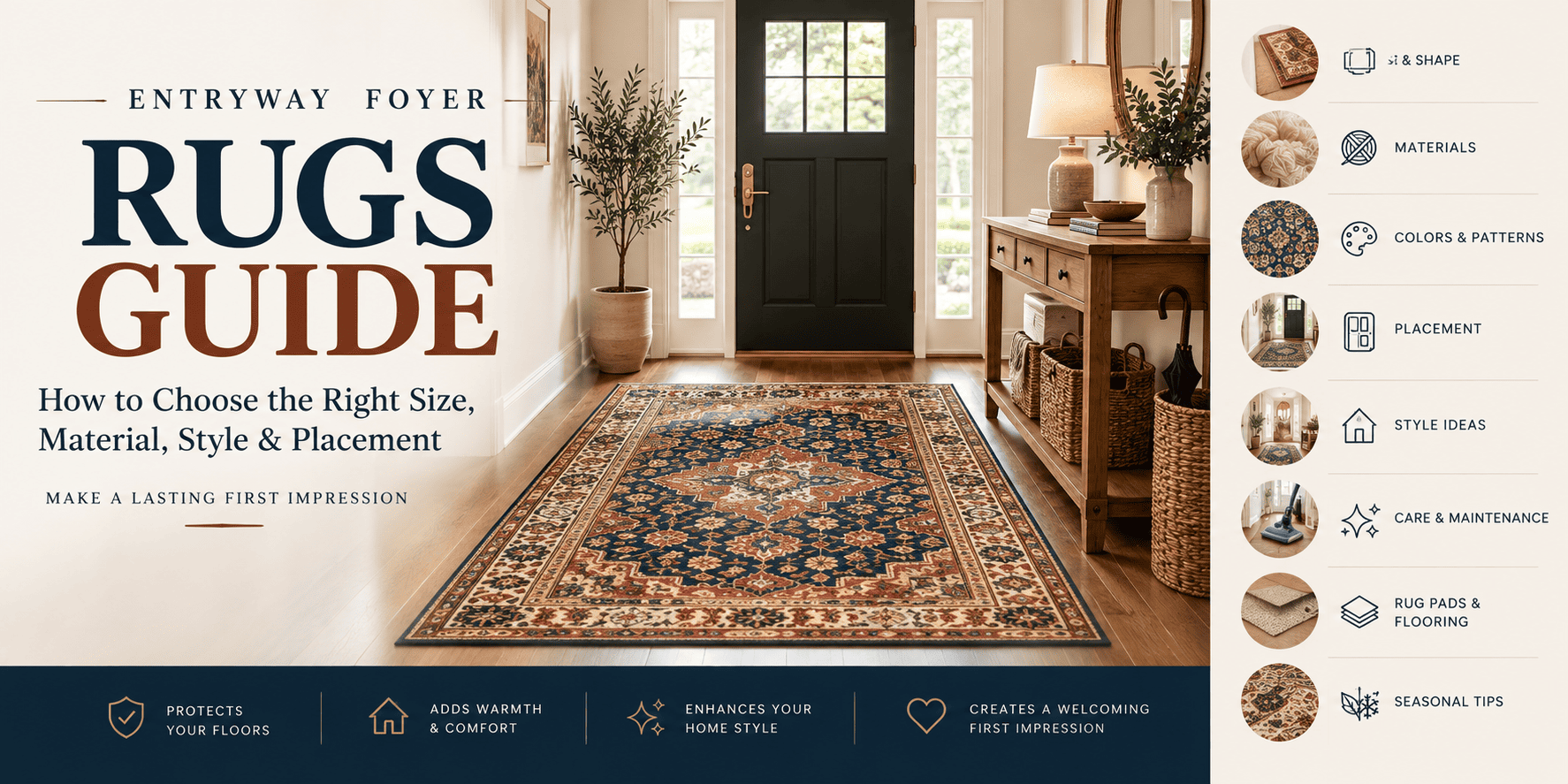
The best entryway or foyer rug should be durable, easy to maintain, well-sized, protect your floor, and suit your home. Low-pile, wool, flatweave, and patterned rugs are perfect choices for high-traffic entryways.
Always measure the area first, ensure the doors can open easily, use a rug pad, and opt for colors and patterns that go well with your decor while protecting from everyday dirt.
This guide covers everything about entryway rugs, from shapes, sizes, materials, and pile height to picking colors, rug placement, and maintenance. Each factor can impact the look and feel of your entryway.
Choosing the right rug for your busy entryway can make it feel cozy, more inviting, and anchored to the rest of your home.
Quick Tips:
Take proper measurements of your foyer and then go for a rug that fits well without blocking doors.
Wool and flatweave rugs are the best options for busy entryways.
Low-pile rugs are easy to clean, and they do not interfere with doors.
Medium tones and patterns can hide everyday dirt and dust easily while adding style to the space.
A good quality rug pad protects the rug and prevents it from slipping and folding edges.
An entryway rug is a rug that can be placed inside or around the entrance of the home to protect the floors from dirt and dust, provide better grip, and enhance the look, making it more inviting. It also anchors the entrance as a different space.
An entryway rug can be placed around the front door of the home, while a foyer rug can take a larger entryway area. Both terms are usually used interchangeably.
An entryway rug does more than give an aesthetic appeal to the floor. It protects the floor from scratches, moisture, and dirt that come from shoes and also makes the surface comfortable for people entering your home.
The most common types of rugs used in entryways are low pile, runners, flatweave, wool, washable, and durable patterned rugs. The best option varies depending on the amount of traffic, floor type, and lifestyle.
To protect a home’s flooring, prevent excessive dirt, increase safety, improve the look and comfort level of the entryway, reduce noise, manage everyday wear, and define the space, every entryway needs a rug.
Let’s discuss the needs in detail:
The entryway rug becomes a barrier between the floors and shoes, and protects the floor from getting damaged by scratches, dirt, and moisture.
The fibers of the entryway rug help to trap the dirt and dust that comes into the home with shoes. This implies that less dirt will go inside your home.
The correct rug placement with a high-quality pad can help to offer better grip and reduce the risk of slipping on the entryway’s smooth flooring.
The entryway is the first area of your home that guests see when entering the home. An ideal entryway rug can enhance the first impression by making it look cleaner and more inviting.
Rugs absorb some of the sound that comes from footsteps, making entryways with hardwood floors quieter and more comfortable.
In an open-concept plan, the entryway rug can visually differentiate the entrance from the living room without the need for walls or furniture.
Benefits at a Glance:
|
To choose the perfect entryway rug, you must first measure the space and know how the area is utilized. Before choosing a rug, consider the traffic, pets, door clearance, furniture, climate, materials, and maintenance before opting for a design.
Before shopping, be sure to measure the available floor space. This allows you to avoid selecting a rug that is too small, too large, or badly placed.
Delicate designs are suitable for barely used formal entrance areas, whereas a highly trafficked family entrance requires a long-lasting rug that can easily handle daily foot traffic.
Choose long-lasting materials, functional colors, and an easy-to-maintain rug for households with kids or pets. Multicolored and patterned rugs are very helpful for hiding small everyday marks.
Make sure to check the difference between the floor and the bottom of your door, as a thick rug can block the door from moving.
If you have a console table, bench, or chair in the foyer, ensure the rug will go around the furniture. The rug should be naturally placed rather than looking cramped in the leftover floor area.
In rainy, snowy, or muddy climates, your home needs a rug that must be able to manage moisture and frequent cleaning, while in drier climates, dirt control and frequent vacuuming may be considered bigger issues.
An indoor entryway rug is meant for comfort and style, while a covered but outdoor entrance requires a more long-lasting material that can easily manage outdoor conditions.
Measure the available floor first.
Check door clearance for easy movement.
Understand the traffic, whether it’s heavy or a low-traffic area.
Choose a good-quality, long-lasting material.
Consider kids and pets.
Check your entryways, whether they’re indoor or outdoor.
Choose an easy-to-maintain rug.
The best entryway rug size is based on the dimensions and arrangement of your foyer or entrance. Small spaces need rugs that are too small in size, while long entrances go well with runners or large foyer rugs.
Entry Size | Recommended Rug |
Small Entrance | 2x3 Rug |
Compact or Medium entryway | 3x5 Rug |
Wider Foyer | 4x6 Rug |
Long, narrow entryway | Runner Rug |
Spacious entryway | Large Foyer Rug |
Open or square foyer | Round Entry Rug |
Entryway rugs should be placed so people walk naturally while leaving enough space around the corners and ensuring easy door movement. The rug placement should go according to the nearby furniture and the overall shape of the foyer.
The entryway rug should be centered with the doorway or the major architectural feature. This will give a well-balanced look and prevent random placement.
A wider rug goes well under the double doors, allowing enough visual width to the entrance. Rather than choosing a narrow rug that can make the doorway appear disjointed from the floor.
A small home entryway should have a compact and minimal rug. A small 3x5 rug or 2x3 rug anchors the entrance without taking up much space on the floor.
If you have a console table, anchor the rug around the table, or it should visually balance with the furniture and rug. A rug that ends abruptly before the furniture looks undersized.
Use the entryway rug to help visually divide the entrance and the living space. A unique pattern or color can make the entrance area feel like its own area.
Foyer rugs in a space adjacent to a staircase should follow the available floor space. A runner rug can be ideal when the staircase adds a long visible line.
A rug placed under or slightly in front of a bench can help to define the seating space. The rug should be placed beneath the bench or slightly in front, and avoid creating an uncomfortable corner where people sit or walk.
Read: Rug Placement Guide
The best rug shape varies based on the layout of the foyer. A rectangular rug works in most entryways, runner rugs go well in narrow areas, and round or oval rugs make large, more open foyers feel softer.
Rug shape | Best For | Benefit |
Rectangle | Most entryways | Versatile |
Runner | Long entrances | Balances a pathway |
Round | Open foyers | Makes the space soft and smooth |
Oval | Traditional foyers | Introduces softer lines |
Square | Large square foyers | Well-proportionate |
The best materials for entryway rugs should create a balance among durability, comfort, look, and maintenance. Wool and flatweave constructions are ideal, while cotton, synthetic, jute, and sisal can be considered, based on the conditions of your entryway.
Material | Durability | Softness | Maintenance | Cost Range |
Wool | High | High | Moderate | $50–$500 |
Cotton | Moderate | High | Easy to moderate | $30–$250 |
Synthetic | High | Moderate | Easy | $20–$200 |
Jute | Moderate | Low | Moderate | $50–$400 |
Sisal | High | Low | Moderate | $50–$500 |
Handknotted wool | Very High | High | Needs professional care | $500–$5000 |
Washable | Moderate | Moderate | Easy | $30–$250 |
Choose the entryway rug colors that complement the aesthetic of your home and work well with everyday practicality. Medium and darker tones can help to hide dirt better, while patterns add interest and hide small marks in busy areas of your home.
Let’s discuss different colors and patterns for entryway rugs:
Navy, charcoal, brown, deep green, and burgundy can be ideal in high-traffic entrances, since daily dirt is less visible in deeper colors.
Cream, beige, ivory, and muted gray can give a small foyer more brightness and space, but require extra care in high-traffic areas of your home.
Patterned rugs can help to hide dirt, stains, and everyday damage. They are practical as they add interest and uniqueness to the entry space.
Neutral rug colors, such as beige, taupe, ivory, and gray, are great options for coordinating with the furniture and walls.
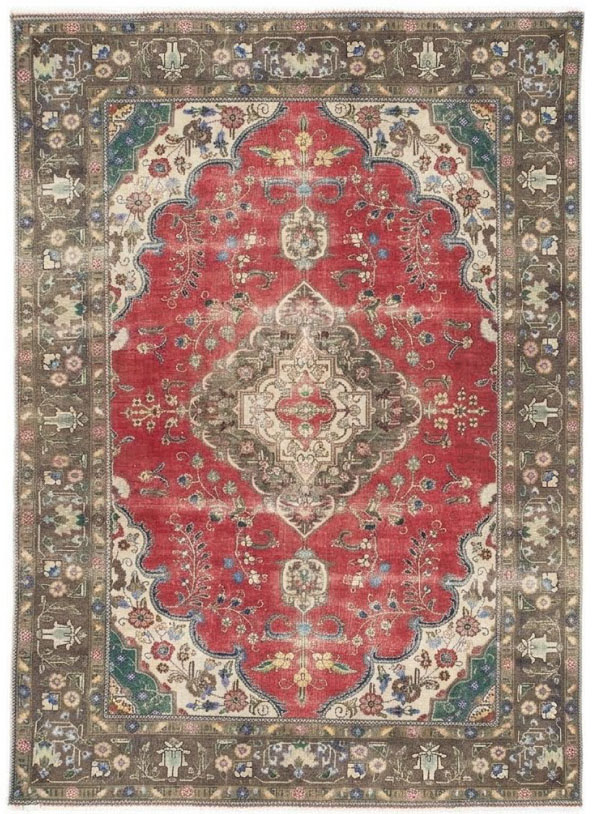
Vintage rugs can help to add personality and character to the foyer. Additionally, the aged patterns and different colors help to hide small signs of wear.
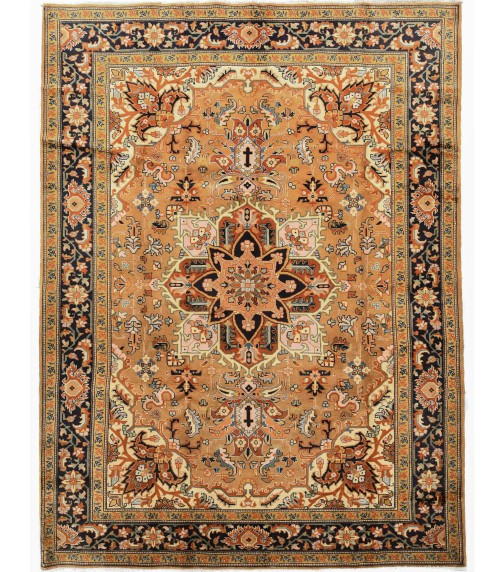
Bolder rugs can act as a focal point in a simple entryway space. Deep blue, rust, emerald, red, and multicolored entryway rugs can be ideal in an entrance with a minimalist design.
Don’t make your rug too similar to the floor. A little contrast helps the rug look different and prevents it from hiding in the room.
The best ideas for entryway rugs will depend on the decorating style of your home, as well as the functionality of the space. Modern homes go well with minimal patterns, while vibrant colors are best for boho areas.
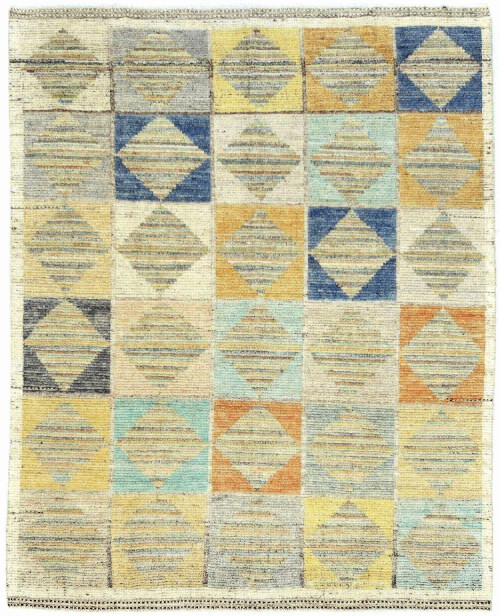
Modern entryways can enjoy geometric designs, muted colors, and simple abstract designs. Gray, navy, beige, and black are perfect for clean-lined furniture.
Soft beige, cream, faded blue, and muted red rugs can give the relaxed and homey vibe of farmhouse style decor.
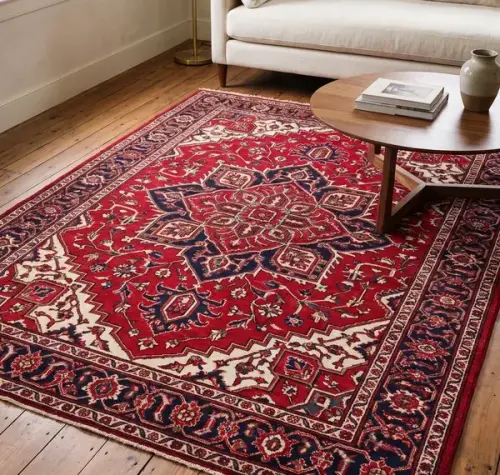
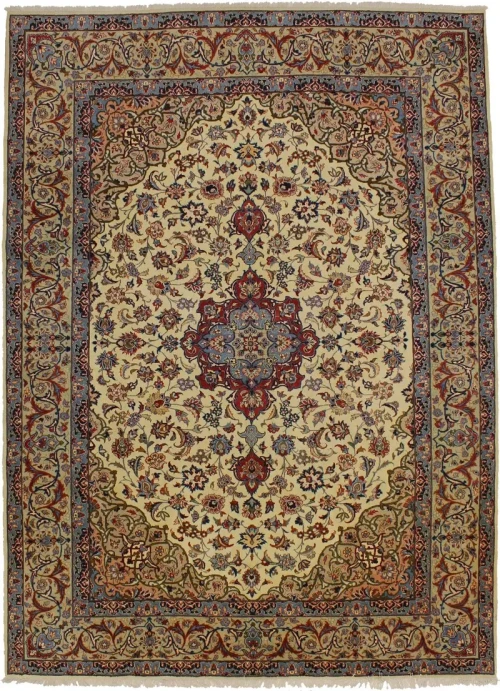
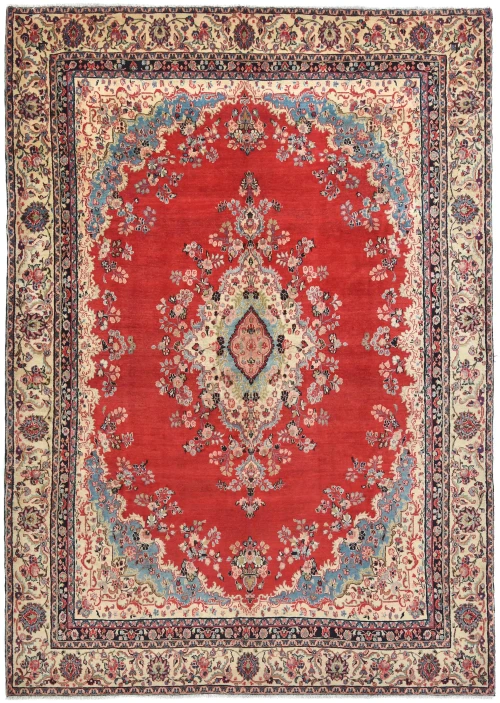
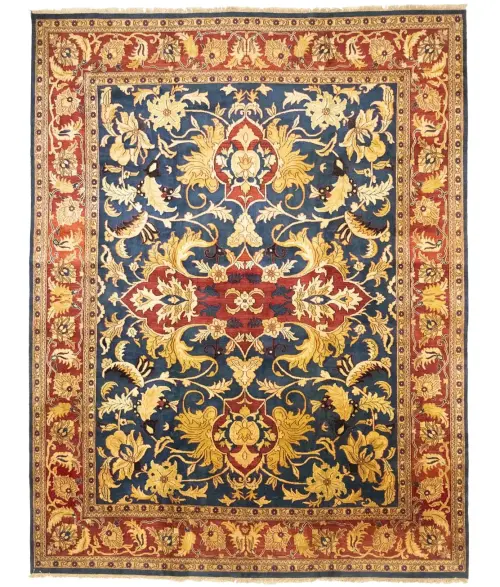
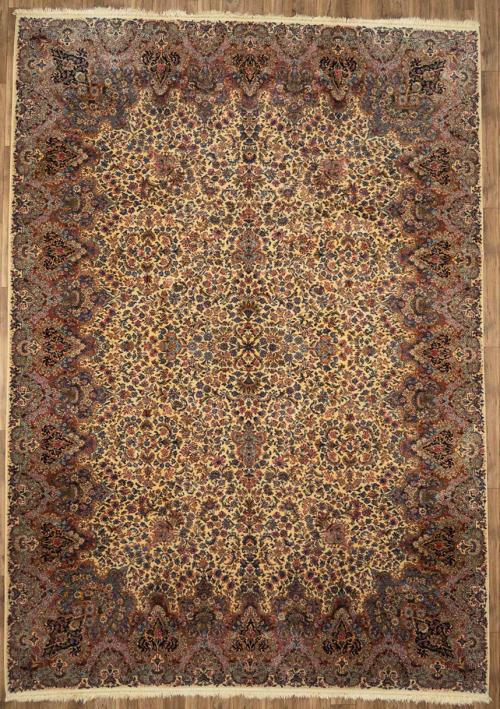
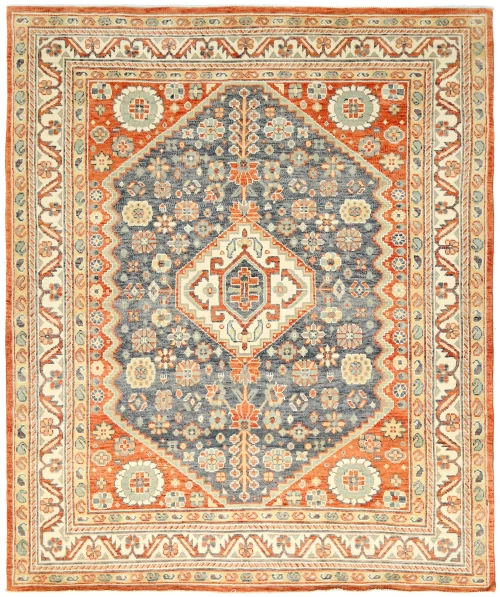
Traditional entry spaces can handle vibrant colors and intricate patterns. Persian and Oriental rugs in red, blue, ivory, gold, and green are old classic options.
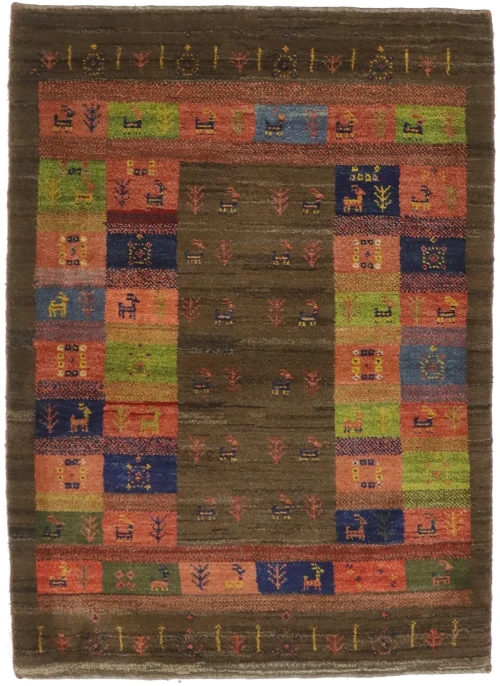
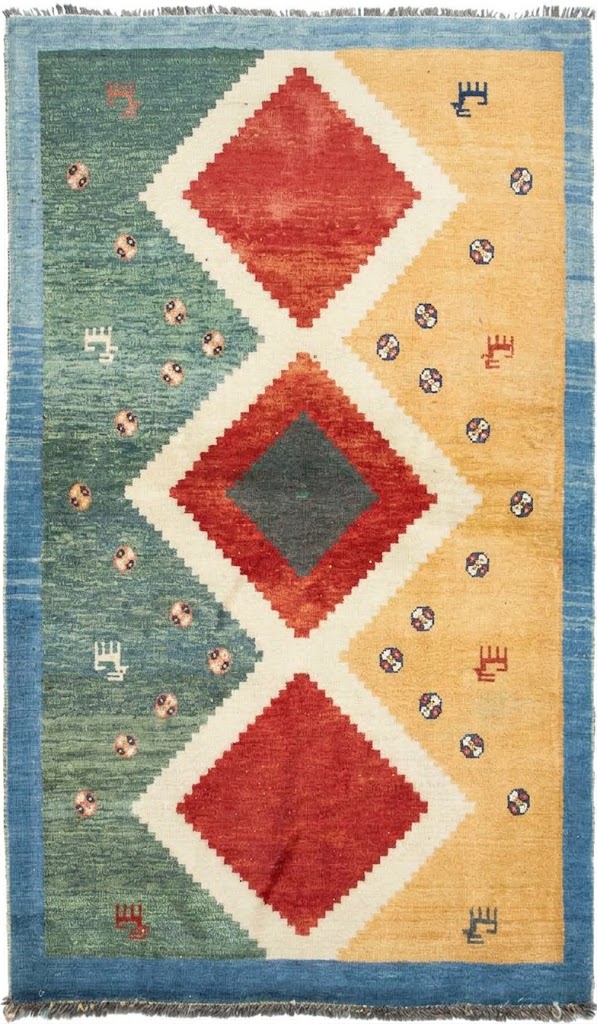
Boho rugs for entryways work well with colorful, layered, tribal, vintage, and globally influenced patterns. Don’t hesitate to mix several colors.
Ivory, beige, gray, and taupe are great colors for minimalist entryways. A soft pattern can introduce texture without distracting from the clean appearance.
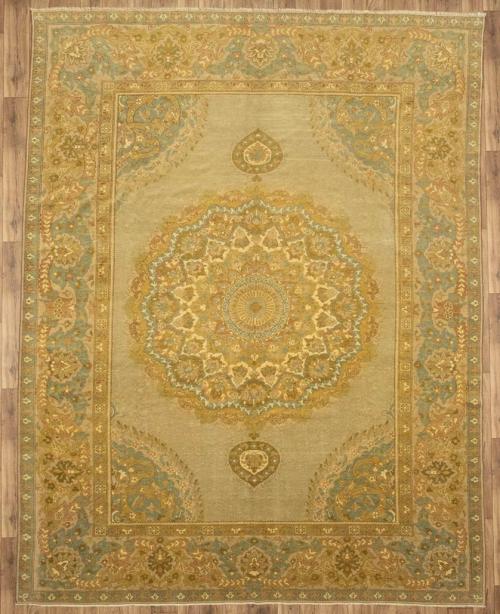
A handmade wool rug with a luxurious Persian or oriental rug design can add character and craftsmanship to an elegant foyer.
Yes, Persian and Oriental rugs can work well in entryways, adding character and detail to an entryway space, as long as you pick a long-lasting construction and design with practicality.
Their intricate patterns, vibrant colors, and excellent craftsmanship make the entryway more elegant without adding much to it.
Persian and Oriental rugs add pattern and character to the entry space. They can change an otherwise simple entry space.
Entryways get more traffic, so purchasing a rug with long-lasting construction is important. A wool rug with a long-lasting structure works better than a sensitive decorative rug in a high-traffic entryway.
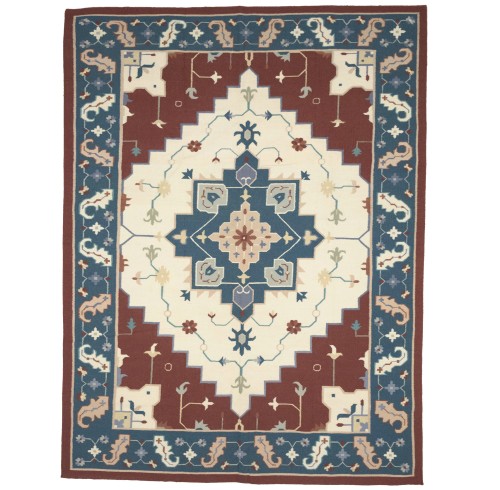
Low-pile handmade or flatwoven rugs are great options for an entryway. They are more comfortable to move and barely block the doors.
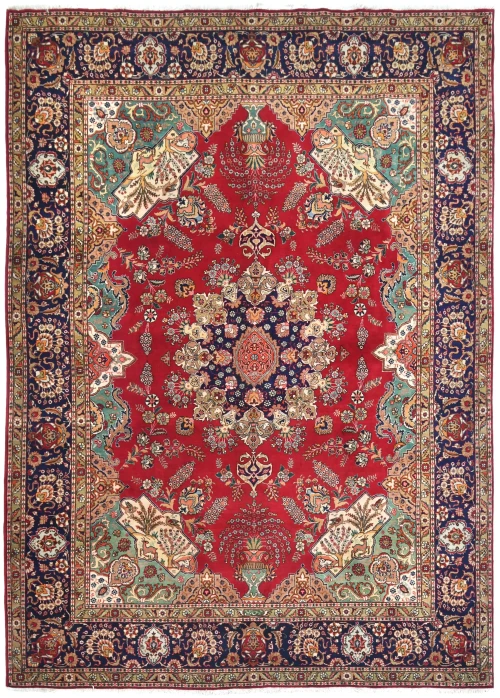
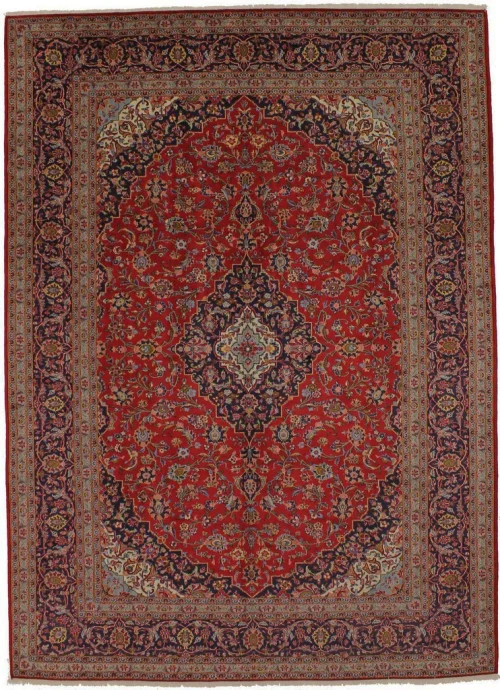
Red, navy, ivory, burgundy, gold, and deep green are common colors for Persian rugs. Multicolored Persian rug designs are great for hiding everyday dirt, as they look better than solid light-colored ones.
Handmade rug designs have more detail and long-lasting quality, making them a good choice for entryways. In contrast, machine-made rugs are much more pocket-friendly, simple, and easy to replace, making them perfect for busy areas and budget-conscious people.
Feature | Handmade Rugs | Machine-made |
Construction | Handwoven or hand-knotted | Automated |
Uniqueness | Slight variations | More uniform |
Durability | Very high | Based on construction |
Detail | Luxurious and varied | Consistent |
Cost | Usually costly | More reasonable |
Washable rugs are more comfortable and need regular vacuuming, while traditional rugs work better if craftsmanship, natural materials, and durability matter to you. The appropriate selection is based on the usage of your entryway.
Feature | Washable Rugs | Traditional Rugs |
Pros | Easy to maintain, comfortable, lightweight, and best for busy households. | Stylish, long-lasting, and come in organic fibers and handmade designs. |
Cons | They have a thinner feel and come with less detailing. | They need more cleaning and maintenance. |
Best Use | In busy households with kids, pets, and areas with frequent spills. | Formal foyers, traditional interiors, and homes that need style and craftsmanship for a long time. |
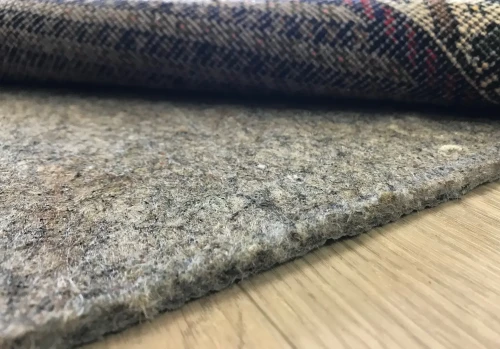
Yes, it is always recommended to use a rug pad underneath your entryway rug. It provides comfort underfoot and can also help prevent slippage and protect the floor and the rug from damage.
A rug pad secures the entryway rug from slipping and falling in a busy entryway.
A rug pad will add a certain height to the entryway rug, so be sure to check the clearance of any swinging doors before buying a thick rug. The motive is to protect the rug without blocking the door with its thickness.
A good quality rug pad adds a protective layer between the rug and the floor. It also reduces friction caused by regular movement.
A low-profile pad is recommended and is a great option for limited door clearance. For an entryway, go for a rug pad that provides proper grip and does not increase the rug's height.
The most common entryway rug mistakes include buying the wrong size, ignoring the door clearance, using sensitive materials in busy spaces, not using a rug pad, and selecting a rug that does not go with the floor and decor.
Opting for a rug that is too small can make a foyer look cluttered. Always measure the area before purchasing the rug.
A beautiful entryway rug is of no use if the front door cannot easily move over the rug. Always check the door clearance first.
Delicate rugs are not ideal for high-traffic entryways, so consider a long-lasting material according to the space usage.
A rug pad is necessary to avoid slipping, falling, and curling of edges. This is a styling and safety problem.
Very light-colored rugs require frequent cleaning in high-traffic areas, while very dark colors can make the foyer more heavy.
A small rug can look unanchored in the entryway. Go for an appropriate size that balances the doorway and furniture.
Quick Tip: First, take the proper measurements, then check the door clearance, after that consider the traffic, and after evaluating these factors, select the color and design.
Entryway rugs require proper cleaning, as they easily track more dust and dirt than other rugs placed in other areas of the home.
Vacuum them regularly, remove mud and spills immediately, and clean the rug according to the instructions given by the manufacturer, depending on the material.
To prevent dirt from trapping deep into the fibers, vacuum the entry rug regularly, as it removes any loose particles.
It is a good idea to rotate the entryway rugs frequently to ensure that the traffic is distributed evenly. This reduces unevenness and early wear.
Dry the wet mud if required for the rug. Remove all the loose dirt particles gently. Do not rub the fibers harshly.
Salt and winter debris should be removed instantly. Blot the excess moisture and clean the rug following the manufacturer’s instructions.
Pet accidents should be treated quickly to prevent stains and odors from going deep into the fibers. Go for a cleaning method that is appropriate for the rug material.
Handmade, vintage, and costly rugs need professional cleaning instead of using harsh cleaning products.
Maintenance | Frequency |
Vacuuming | 2–3 times a week |
Rotation of rug | Every 2–3 months |
Rug pad checking | Every few months |
Spot Cleaning | Instantly after spillage |
Mud removal | Every few weeks |
Professional cleaning | As required, on the basis of foot traffic. |
Read: Oriental Rugs Care and Maintenance guide
The best seasonal entryway rug is one that defines the interior and changes the vibe of your entrance without adding much to it. Use light colors and natural textures during warm summer months and darker shades and rich patterns in the cool winters.
Spring Entryway Rugs: Opt for light green, floral patterns, light blue, and neutral shades for a brighter feel in the spring season.
Summer Entryway Rugs: Go for neutral textures, lighter shades, and simple patterns to bring a relaxed look in summer.
Fall Entryway Rugs: Rust, mustard, brown, olive, and burgundy colors give a cozy feel, and they work well in fall decor.
Winter Entryway Rugs: Colors like deep blue, charcoal, forest green, burgundy, and rich multicolored patterns make your entryway more warm and inviting during winter.
Choosing the best rug color and material depends on floor types. A rug should create enough contrast to remain visible while protecting the surface. It is important to consider the floor’s color, texture, and care needs when buying the rug.
Flooring Type | Best Rugs |
Hardwood | Persian, Oriental, or wool rugs |
Tile | Patterned, washable or wool rugs |
Laminate | Low-pile, flatweave, or washable rugs |
Vinyl | Washable, low-pile, synthetic, or flatweave rugs |
Concrete | Wool, jute, natural-fiber, or textured rugs |
When buying a rug for your entryway, always evaluate the size, material, rug pad, color, budget, and care needs.
Considering these factors allows you to opt for a rug for your entryway that goes well with your decor and personal style.
Size: Pick the right size for the entryway.
Material: Check whether the material is suitable for a busy entryway.
Rug Pad: Always use a rug pad to place under the rug.
Style: The rug should complement your personal style.
Color: Pick a color that easily hides the dirt the entryway gets.
Budget: The price range should be according to the rug quality.
Maintenance: Maintain the rug according to the given instructions.
An appropriate entryway rug can change the whole look and feel of any space. It helps protect the flooring from dirt, handles everyday spills, gives comfort, and an inviting feel to guests.
There is no particular entryway rug that can be considered the best. Focus on the size, traffic level, floor type, and lifestyle. After considering these factors, choosing the right entryway rug design and color becomes easier.
At Magic Rugs, our professionals can help you find the best rug for your entryway. Visit our Charlotte rug store and explore our collections to find the perfect piece that goes well with your foyer and lifestyle.
Explore our Entryway Rug Collections
A 2x3-foot rug size is suitable for small entryways, and large foyers need a rug of 3x5 or 4x6 feet. A runner is ideal for narrow foyers, and spacious foyers need a larger rug.
The entryway rug should be placed under the front door to avoid blocking it. It is always important to check the door clearance from the door bottom to the floor before buying a thick rug or rug pad.
Washable rugs are a great option for entryways, especially if the home has kids and pets. They are easy to maintain against regular spills, dirt, and other daily mess.
Yes, wool is a great material for entryway rugs since it is long-lasting and of organic quality. A low-pile wool rug is perfect to use in high-traffic areas such as an entryway or foyer.
A rug pad is important for stable placement of the rug and also to protect the floor from damage, slipping, or curling at the borders. It is important to go for a low-profile pad if the door clearance is limited.
Brown, dark blue, rich green, black, and other dark colors cover dirt and dust in the best way than light colors. Multi-colored and patterned rugs work well.
Persian rugs can be great for entryways as they have long-lasting construction, better pile height, and intricate design that can manage the traffic level your foyer gets.
It is important to vacuum the entryway rugs regularly to remove any spills or mud as soon as possible. The need for professional or deep cleaning depends on the type of rug material, traffic, and care instructions given by the manufacturer.
Rug Guide
Rug Guide
Rug Guide