0 Items In Cart
No products in the cart.
Your privacy
Choose which cookies we can use. Your choice is saved for 12 months, and you can change it at any time from Cookie Settings in the footer. Read our Cookie Policy.
Needed for the site to work, such as your cart, checkout and account sign in. These cannot be switched off.
Remember your choices, such as your wishlist and recently viewed rugs, so the site feels personal.
Help us understand how visitors use the site so we can improve it. The data is collected in aggregate.
Used by our advertising partners to show you relevant Magic Rugs ads on other sites.
Table of Contents
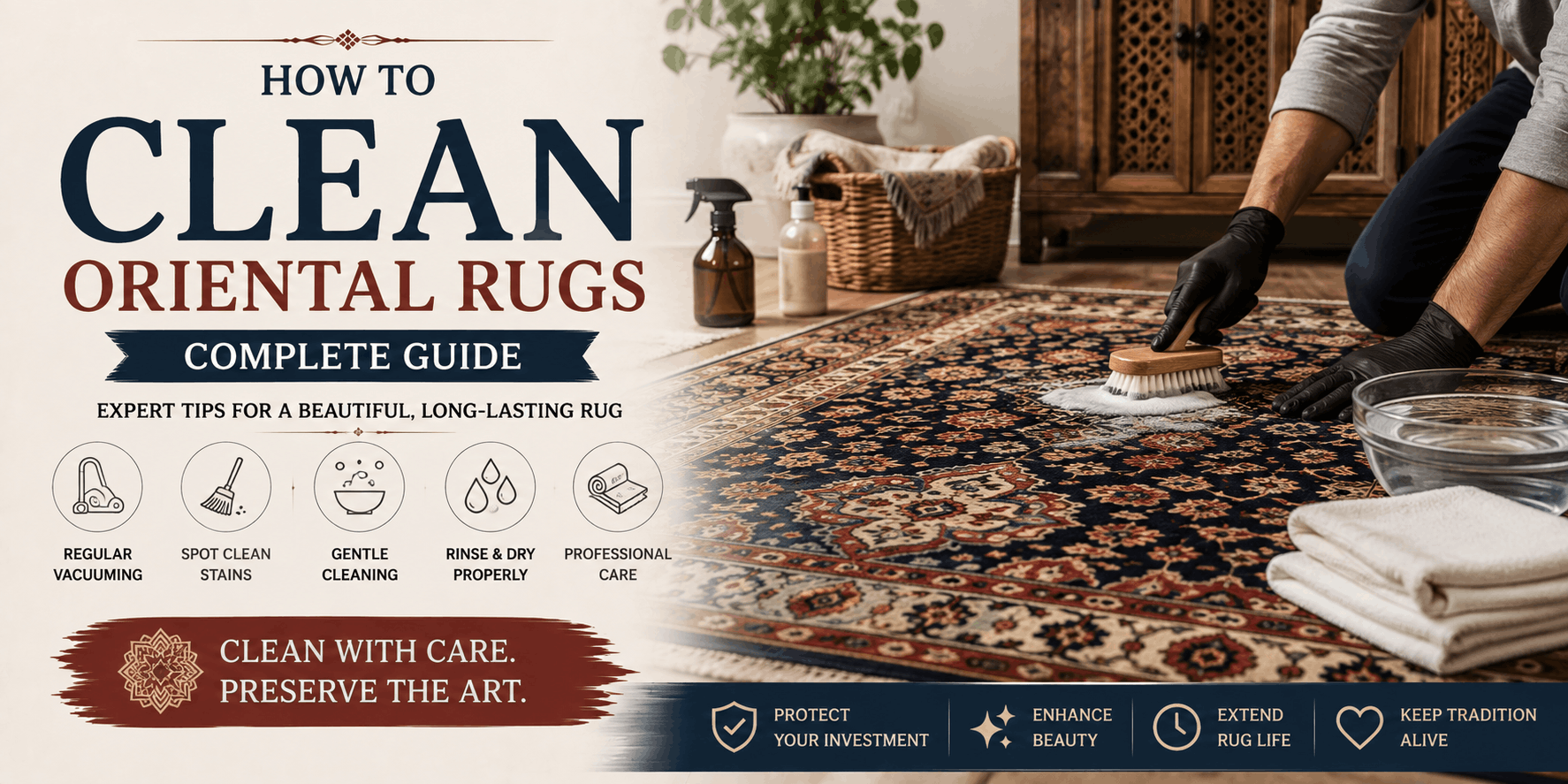
A handmade Oriental rug needs proper care and maintenance. Taking proper care of these rugs helps to protect them from dirt, dust, color fading, stains, molds and mildew, and rug fiber damage.
Rug care is important to maintain the beauty and preserve the craftsmanship and value of every rug. Regular care makes your rug more durable and charming for centuries.
A well-crafted handmade Oriental rug is not just a floor covering, it is a piece of art. They depict traditional weaving, skilled art, and cultural heritage. Unlike machine-made rugs, made of synthetic fibers, rugs made with natural fibers like wool or silk are hand-knotted and naturally dyed, and require more care and handling.
This guide reveals the maintenance and proper care routines regarding the cleaning, protection, and proper storage of Oriental rugs. By following these care schedules, you can maintain the beauty of any Oriental rug, whether you have a Turkish rug, Afghan rug, or tribal rug.
Rugs can be maintained in different ways, such as regular vacuuming, quickly blotting spills, blocking direct sun exposure, and even rotation and professional cleaning. These methods maintain the rug quality and prevent them from being damaged.
Here is the checklist:
Use these effective techniques to care for Oriental rugs: block direct sunlight, schedule regular professional cleaning services, and protect the rug fibers from dirt, dust, and damage while preserving the craftsmanship and durability of the rug.
The daily care of an Oriental Rug helps remove dirt, animal fibers, and even unintentional spills before they become permanent.
Weekly maintenance of an Oriental rug helps to remove dirt, dust, sand, or debris that create friction and are harmful to rug fibers. Gently vacuuming a rug and removing dirt and dust largely helps to prevent long-term wear.
Regular monthly rug inspection helps to identify current issues such as fading or staining, fringes, and insects. Routine checks help to maintain the appearance of the rug and lessen structural damage.
Oriental Rugs must have professional cleaning every few years to help restore them by removing deep-set dirt, oils, and allergens rather than normal home cleaning. Professionals can help you choose the type of restoration the rug needs.
Oriental rugs are made using traditional methods over decades, made possible by specifically chosen methods of weaving and dyes handcrafted over generations.
Rugs made using natural fibers, such as wool, silk, and cotton, need gentle cleaning, whereas synthetic rugs like nylon are easily warped with high concentrations of cleaning chemicals, high and low cleaning temperatures, and even moisture.
Wool rugs are sturdy, and therefore cleaning them is not difficult, but the same cannot be done with nylon rugs.
Vegetable-dyed rugs need special care because cleaning with strong chemicals and direct sunlight exposure can harm the structure and the design, with fading, discoloration, and an uneven look.
Handmade rugs made from thousands of knot structures and their craftsmanship easily get damaged by harsh cleaning methods. These rugs are masterpieces and therefore need special care and gentle cleaning.
Improper Oriental rug care not only damages them permanently over time but also weakens the delicate fibers, causes color fading, damages the rug structure, and increases restoration expenses.
Care against these elements is the best way to ensure that no major issues occur over time.
The major issues Oriental rugs face are dirt, dust, direct sunlight, moisture, pets, furniture pressure, heavy foot traffic, and insects. Addressing these risks is important to maintain the rug's structure and color and help it last for many years.
Let's explore some common threats to Oriental Rugs:
| Threats | Severity | Damage | Prevention |
| Foot Traffic | High | Creates uneven wear and the rug pile becomes flat. | Regularly rotate the rug and use a rug pad. |
| Dirt and Sand Create Abrasion | High | Scratches and damages natural fibers with time. | Weekly vacuum to eliminate dirt and dust. |
| UV Rays | High | Fades natural color and makes rug fibers weak. | Block direct sunlight using curtains or UV shades. |
| Moisture | High | Fiber becomes weak because of moisture and causes mold growth. | Blotting spills instantly keeps the rug dry. |
| Mold and Mildew | High | Creates odors, stains, and fiber depletion. | Avoid moisture and provide good airflow indoors. |
| Pet Damage | Medium to High | Scratches, stains, odors, and fiber damage. | Regularly clean pets and their accidents instantly. |
| Furniture Pressure | Medium | Creates permanent dents and flattens fibers. | Use furniture cups and keep changing their position frequently. |
| Moths and Rug Beetles | High | Create holes in the rug by eating natural fibers. | Check rugs for insects and vacuum regularly. |
To maintain a care schedule for an Oriental rug, follow routines like daily cleaning, weekly and seasonal maintenance, monthly rug inspection, and annual professional cleaning.
Following these care schedules maintains your rug's health, preserves the fibers, and keeps the rug beautiful for a longer period of time.
The daily habits to make the rug better and more beautiful include dirt removal, instant spill prevention, and less exposure to rug-damaging elements. These daily habits prevent major repair issues that may occur in future.
Maintain your rug on a weekly basis to remove dust and other particles that can damage your rug. Vacuum the rug once or twice a week. The greater the activities in the home, the more frequent maintenance is required.
A monthly inspection helps to identify rug issues early or damage like holes, insects, or loose borders. Check the entire rug properly, inspecting the areas that are under the furniture.
This protects rugs from damage and preserves their value.
Rug maintenance depends on the seasons and their conditions, such as humidity, sunlight, and indoor conditions, that matter throughout the year.
Rug care during spring and summer seasons may need more focus on sunlight blocking. At the same time, in fall and winter seasons, you need to focus on not bringing dirt and debris inside the home.
Oriental rugs need professional cleaning to maintain their quality and condition. Get the professional cleaning done at least once a year, as it removes dirt built up that regular cleaning cannot remove.
Professionals understand the construction of rugs and apply the right techniques according to the materials, age, and condition of the rugs.
Using the right type of vacuum settings and techniques, you can use your vacuum safely to remove dirt and dust without harming the sensitive rug knots, fibers, or fringes. Using the right vacuuming techniques helps your rug last longer and look beautiful.
Buy a vacuum for your Oriental rug that has adjustable suction, gentle cleaning options, safe settings, and choose a type of vacuum cleaner that does not harm the sensitive fibers of the rug.
The right vacuum settings need to be on low suction, higher height adjustments, and avoid using a rough brush. Vacuum carefully towards the direction of the rug's pile, as it removes dust and dirt trapped deep into fibers and avoids putting uneven pressure on the rug.
Do not vacuum rug fringes and borders directly. Using stronger suction pulls tangles and damages the rug edges. Vacuum carefully, and use a light attachment for fringes.
You should vacuum the rug depending on the foot traffic and your home activity. Oriental rugs usually require vacuuming one or two times a week. Homes that have pets, children, or heavy foot traffic require vacuum cleaning more frequently.
Rotate your rugs every six to twelve months to manage foot traffic, furniture pressure, and direct sunlight exposure. The lack of rotation shows visible signs of rug damage, including structural and fiber weakening issues.
Rotation protects the rug against permanent damage and uneven wear and helps to get even sun exposure on each side with regular use.
You must rotate the rugs placed around entryways, hallways, and living rooms every few months. The rug rotation depends on the use and foot traffic of that area. The regular rug rotation helps to prevent faster fiber damage and increases its life.
The heavier the furniture, the more often it needs rug rotation as it creates pressure points. Do not drag the furniture, instead, lift it to prevent fiber and floor damage.
To protect Oriental rugs from sunlight damage, avoid direct sun exposure, use window shades, rotate the rugs when required, and place the rug in the right place. This lessens the chances of colour fading and prevents unevenness on one side.
UV rays damage rug fibers and natural color. Rugs placed near large windows easily get damaged and fade faster. Taking proper care causes less damage and extends the life of the rug.
Color fading, uneven tone, dry fibers, and dull-looking areas in rugs are signs of sun damage. Checking these early signs of sun damage prevents damage to the rugs and helps in restoration before their condition gets worse.
Rug damage can be avoided if the windows are treated. Windows can be shielded and filtered during the setting of the sun and still provide some natural light to the room. Rugs need protection from harmful sun exposure as well.
They help rugs by covering windows with shades from harmful rays and are especially useful in large rooms with many big windows.
Rugs placed near windows need regular rotation to avoid fading because of direct sun exposure. Regular rug rotation makes the rug appear more even.
The ideal placement of valuable handmade rugs is to keep them away from windows to block direct sunlight. To reduce fading from direct sun exposure, place the rug where sunlight does not reach.
Professional rug restoration becomes important when you see sun damage causing extreme colour fading and unevenness in some areas of the rug, along with making its fibers weak. Take the restoration service to restore your sun-faded rug.
Learn more about how to protect oriental rugs from sun fading
Always place Oriental rugs in low-traffic areas to prevent fibers damage and help the rugs maintain their original appearance.
Entryways need protection because dirt, moisture, and dust are carried in. Use rugs at entryways, try to clean and remove shoes before stepping on the rugs.
Hallways need protection because foot traffic causes dirt and wear to the rug structure. Rugs need regular rotation and a proper vacuuming routine.
Living rooms need protection because of heavy foot traffic, furniture pressure, and frequent movement. You can add rug pads under your living area oriental rugs for extra protection. Also, regularly rotate and clean rugs.
Dining room rugs require specific care because of the fibers. Chair movement and food spills can affect their life and damage them.
Maintaining the right size rug and instant stain removal from runner rugs prevent stains from being permanent.
The best way to prevent furniture damage on Oriental rugs is to reduce the pressure points, use furniture cups, lift rather than drag heavy items, and frequently shift furniture. These methods preserve the structure of the rug and reduce damage caused by furniture.
Using furniture cups reduces the pressure on one side of Oriental rugs by equally distributing the weight of heavy furniture across the whole area. Deep marks and flat rug fibers caused by a permanent piece of furniture can be reduced by using furniture cups.
Dragging of furniture can loosen fibers, damage the knots, and the rug fibers. Lifting furniture instead of dragging is the only way to protect the delicate handmade structure and floor of the rug.
To prevent permanent damage to rug fibers, move the furniture slightly and regularly, and change its placement to reduce pressure at one area of the rug.
Preventing shedding and scratching damage, and the quick removal of cleaning accidents and moisture exposure can help preserve Oriental rugs and their natural fibers, colors, and overall condition.
Grooming your pet is an important step, as this will help reduce pet hair that accumulates in rug fibers and also vacuum pet hair before it combines with dirt and makes it harder to vacuum the rug.
Providing your pet with an alternative option for scratching rather than your handmade rugs prevents rug scratches and damage. Scratching loosens the fibers that can impact the overall appearance of the rug.
Cleaning pet accidents instantly is important because the rug absorbs the moisture and damages the rug's fibers. The best way to treat this is to gently clean them and avoid rubbing to avoid getting permanent stains.
The best way to prevent odor is to quickly remove moisture and book a professional cleaning service if needed. Pet odors are often associated with moisture that damages the deeper layers of the rug. Proper moisture removal helps to preserve the rug's odor.
Cleaning the rugs and regularly inspecting them helps keep the rug in good condition and prevent it from moths and insects.
The signs of damage are holes, rug thinning, weak fibers, and powdery residue. Regularly checking the rug thoroughly helps to identify early insect attacks.
Dirt and debris attract moths, organically cleaning rugs reduces the risk of an insect outbreak. The elimination of debris and regular vacuuming reduces insect risk and extends rug life.
Use breathable covers instead of sealed plastic covers to store rugs in clean and dry places. Never store rugs in damp areas.
Spills on Oriental rugs should be blotted instantly. For stain removal, avoid using strong chemicals, and schedule professional cleaning services when required. Rug fibers are delicate, these instant spill and stain removal responses help to prevent them from becoming permanent.
Spill Type | Response | Avoid |
Coffee | Instantly blot with a clean cloth | Do not rub or scrub |
Wine | Blot from the outside toward the middle | Do not use hot water and harsh cleaners |
Pet Accidents | Absorb moisture and dry completely | Do not let the stain sit |
Ink | Gently blot and book professional restoration if needed | Avoid using alcohol, bleach, or scrubs |
Food | Clean solids first and then blot | Do not scrape |
Oil | Absorb extra oil and book professional cleaning | Degreasers or harsh chemicals |
Blood | Clean with cold water only | Hot water and rubbing |
The best way to store an Oriental rug is to clean it, then roll using breathable soft materials, and keep it in a cool and dry place. This helps to prevent the rug from moisture, pests, odor, and fiber damage.
The main reason to always clean a rug before storing it is to remove the dirt and oils that attract pests, damage fibers, and prevent mold and mildew. Rugs need to be stored in a completely dry place.
Rug rolling is better than folding because it eliminates permanent creases. Roll the rug with the fibers facing inside. Heavy items should be avoided as well.
Cool, dry, and climate-controlled storage is the best way to store Oriental Rugs to keep them as good as new. The worst storage options are basements, garages, and anywhere rugs are not getting sunlight.
Breathable fabric covers allow rugs to store with airflow and reduce moisture. Breathable fabric covers also prevent the use of plastic covers.
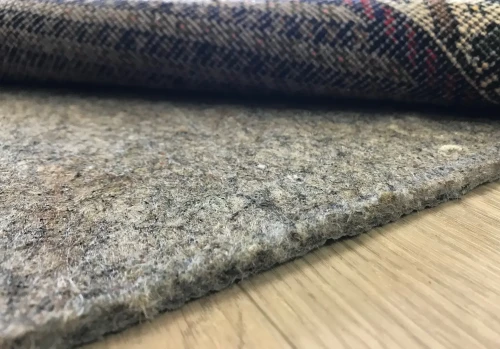
Rug pads help to reduce the impact of foot traffic on rugs, they protect tiles and hardwood floors and also prevent early wear and fiber damage. The rug pad provides a sense of safety and comfort to the rug.
Rug pads improve and protect the rug and the floor on which it sits. The benefit of using a rug pad is that it prevents slipping and protects the rug from early wear.
Felt pads offer cushion, and rubber pads provide good support on smooth floors. For best results, choose a rug pad that is smaller than the rug, as it is particularly designed to provide a strong grip and is made from a safe material.
The selection of the right rug pad depends on the use, rug size, and floor type. Avoid low-quality rug pads because they damage the floor and rugs. Always choose the right size of rug pad , made of high-quality and reliable handmade materials.
Different seasons create different effects on natural fibers. Weather, humidity, sunlight conditions, and changes in the indoor environment can impact the quality of oriental rugs.
Try to maintain oriental rugs as per the seasonal requirements. Proper seasonal care reduces fading, moisture and dirt buildup, and decreases the overall depletion and lifetime of a rug.
Winter leaves dirt and dust that settle deep inside the rug fibers. Spring is the best time to clean a rug thoroughly. A deep cleaning includes vacuuming and checking a rug thoroughly to prevent dirt buildup or allergens.
Oriental rugs are vulnerable to humidity and sun exposure during summer, especially when air conditioners are not used. For direct sunlight protection, use curtains or sun-blocking window shades. Rotate Oriental rugs frequently to prevent color fading and one-sided wear.
Oriental rugs should be cleaned properly to get them ready for fall, as dirt that accumulates needs to be removed. Additional dirt gets tracked into the rug as the weather turns colder. Fall also marks the time when rug pads are used to prevent damage as foot traffic increases.
Winter brings many issues like an increase in snow, road salt, heavy foot traffic, and dry air combined with humidity from heating systems. Rugs also face heavy foot traffic during this season.
Placing rugs around entrance areas helps your family members remove wet footwear before stepping onto rugs. This helps remove snow, salt, moisture, and mud sticking on the rug that causes stains or loosens its fibers.
Learn how to care for your rugs during fall and winter
Deep dirt, oils, and allergens can be removed by professional rug cleaning. The professional rug cleaning method is specifically meant for rugs that cannot be cleaned by regular vacuuming.
When there are odors, heavy dirt, fading, deep stains, or your rug needs special care, you can call a professional for your Oriental rug cleaning. Professionals clean, restore rugs and take care of the delicate fibers of the rug.
Cleaning frequency is based on rug placement, pets, children, amount of activity, and foot traffic in a house. Most Oriental rugs must be professionally cleaned every two to three years.
To ensure safety during Professional cleaning, ask cleaners about their methods and how they deal with handmade Oriental rugs, the drying process, and restoration services.
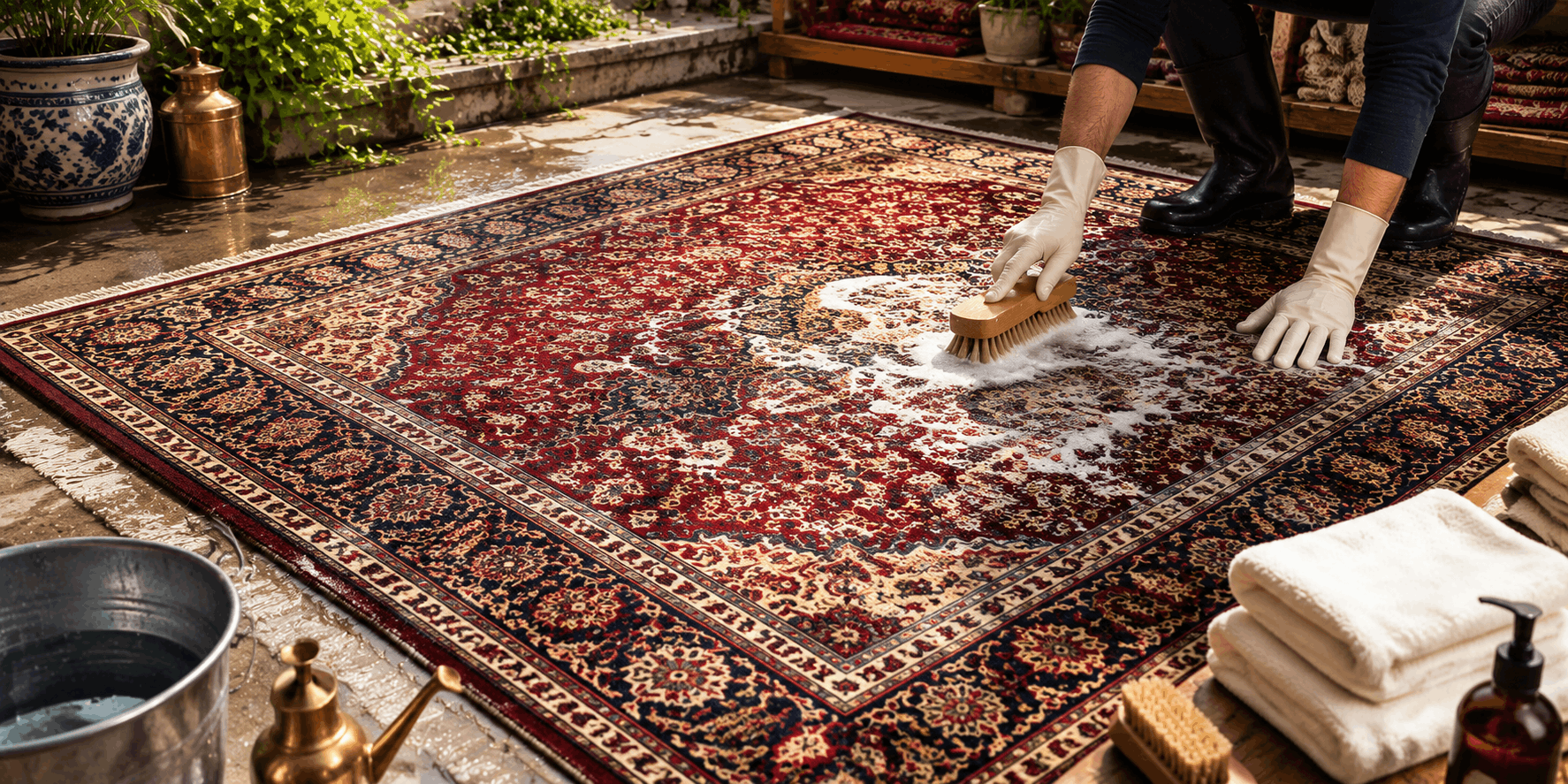
Avoid making the mistakes that damage the rug fibers. Rug fibers, the dyes, and the construction get permanently damaged with harsh chemicals and excessive moisture. Avoid machine washing, pressure washing, and applying any improper DIY washing methods.
Do not use harsh chemicals that damage the rugs by weakening fibers and stripping natural colors. Always opt for cleaning products well designed for delicate rugs.
Cleaning rugs with excessive amounts of water and using home remedies for washing can weaken the rug fibers, causing them to shrink.
Using bleach can permanently fade the rug color as well as destroy the natural dyes. You can use mild cleaners like a pH-neutralizer for these handmade rugs.
The combination of heat and moisture damages the natural dyes and delicate fibers of Oriental rugs, therefore, steam cleaning is not a safe option.
Pressure washing can damage handmade rugs because there is a chance that strong water pressure weakens rug fibers and their structure.
For Oriental rugs, machine washing is not good, as it creates irreversible issues like color bleeding, shrinking, and damage to rug construction.
Severe fading, damaged edges, loose fringe, holes, and weak fibers are all signs that your Oriental rug needs restoration. Professional restoration increases the life of the rug and restores its fibers and structure.
Sun exposure or cleaning with strong chemicals can cause color fading, these issues need rug restoration. Rug restoration refreshes the rug’s color while keeping the design the same as the new rug.
The loose fringe needs repair as it protects the rug design and keeps the fibers intact. If the open fringe is not treated well, then it keeps on tangling and makes the rug look unfinished.
Fraying and torn corners of a rug need proper restoration. These rug problems must be fixed on time to maintain the shape and the structure of the rug.
You must arrange rug restoration service, as its weak construction or worn base indicates that the handmade knots are damaging and reducing the rug’s life.
Rug areas that are weak and have holes need proper restoration because it gets worse if not repaired. Rug holes indicate an urgent need for restoration, as loose fibres are irreversible, and if the holes expand further, the restoration will take longer.
Regular vacuuming, properly rotating rugs, blotting spills and avoiding direct sunlight, and taking professional cleaning services all these things preserve the rug's color and craftsmanship while extending its life.
Avoid vacuuming rugs towards the border, and vacuum without beater bars, as they have harsh bristles that can damage the rug's overall structure. Vacuuming weakens the rug knots and damages its delicate fibers.
Rotate rugs at least every 6 months. Rotating rugs lowers the middle of the rug sinking because of foot traffic and pressure from furniture, and prevents uneven wear from direct sunlight. This is helpful for most utilized areas.
Use rug pads as they improve safety, protect your hardwood floors, provide additional warmth, and reduce early wear and tear, which makes the rug durable for years.
Blot the spills quickly, as deep spills cannot be removed easily and turn into permanent stains. Always blot with a clean cloth, and harsh rubbing damages sensitive fibers and dyes.
Avoid placing rugs in direct sunlight as UV rays damage the rug fibers, make them weak, and cause colors to fade. Use shades, curtains, or blinds around the window.
Book professional cleaning services as the experts know how to use rug cleaning tools and how to clean as per its construction.
Avoid placing rugs in poor air circulation and highly humid areas, blot spills instantly. This helps to absorb less moisture and prevents stains and loose fibers, also preventing the rug from damage and odor.
Pets can cause damage, odor, and stains on rugs. Regular grooming and immediate cleanups can preserve the condition of rugs.
Do not drag furniture, as rug fibers stretch and can be damaged by furniture dragging. Handmade knots in rugs can also get loose. To prevent damage, always lift heavy furniture instead of dragging it.
Make sure to clean the rug first, then carefully roll it, and after that keep it in a cool, dry place. Rugs can last longer if stored properly.
Rug care varies depending on the type of style, materials, technique, and color rug. Always consider the rug type to clean and protect it in a better way.
Because of their traditional designs, natural materials, and hues, Persian rugs need extra care. Regular vacuuming, rotation, and cleaning done by a professional help maintain the craftsmanship and beauty of the rugs over time.
Turkish rugs are made of wool, which requires fiber protection. Careful traditional cleaning methods help preserve the designs, fibers and wool of the rug.
Afghan rugs need regular maintenance. Proper cleaning and maintenance help keep the rug's color intact and avoid dirt and debris on their surfaces.
Tribal rugs need extra care as they are handmade. They are naturally dyed rugs, making them sensitive to chemicals. Avoid using strong chemicals to maintain their original quality.
Silk rugs are delicate and therefore require high maintenance. Usually, a professional cleaning service is recommended for silk rugs to keep them soft and to protect the detailing of their designs.
Wool rugs are durable and require less maintenance than other rugs, but can lose their strength and softness if not maintained properly. Regular vacuuming and cleaning can preserve wool rugs.
A handmade Oriental rug is a well-crafted piece of art that can transform the appearance of your home. These Oriental rugs need regular care to maintain their beauty, value, and warmth.
Proper care, like regular vacuuming, correct placement of the rug, instantly blotting spills, and taking professional cleaning when needed, all help to maintain their craftsmanship and the quality of their fibers, making them an elegant addition to your home.
Common problems such as fading, stains, and fiber wear are experiences that usually damage rugs. To avoid such damage, maintain, protect, and prevent your rugs with proper care, and take professional experts' help when needed to maintain the beauty of the rug for generations.
Visit Magic Rugs if you want an authentic handmade Oriental rug or any professional service or advice related to rug selection and maintenance.
Expert assistance helps homeowners make decisions with confidence related to the quality and purchase of rugs. At Magic Rugs, we also offer aftercare services to make your rug last for centuries.
Properly cleaning an Oriental rug, following a regular maintenance routine, and timely inspection and protection of your rugs from damage help to maintain the charm of the rug and make it durable for years.
Points to remember while maintaining an Oriental rug:
These rugs require vacuuming once or twice a week depending on whether you have heavy indoor traffic, children, and pets. Routine vacuuming helps remove dirt from the top layer of a rug, preventing fibers from sinking between. Use low suction and the bare setting to avoid damage to rug knots.
Yes, you can do regular Oriental rug care, like vacuuming, stain removal or dust removal at home. However, washing methods like deep cleaning are professional services and can be done by experts. Avoid using any DIY washing methods to avoid color bleeding and fiber damage.
Professional cleaning of Oriental rugs should be done every three to five years as a basic requirement. Homes with pets, children, or high traffic need frequent professional cleaning.
Yes, direct sunlight can completely fade Oriental rugs and change their original color. Using window shades can block direct sun exposure, and regular rug rotation can prevent fading and damage from sunlight.
Using rug pads for Oriental rugs is highly recommended because they help to reduce friction, make rugs anti-slip, and promote even wear. They also provide additional cushioning to a rug.
After spilling coffee and wine stains, instantly blot the affected area with a new, clean cloth, and avoid rubbing. This reduces permanent staining, but if the stains are deep or stubborn, then it may need professional cleaning.
Yes. Oriental rugs get damaged by pet scratches and pet accident stains, and they can get mold if pet accident moisture is left untreated. Proper rug cleaning and grooming, and doing routine preventative maintenance, can be helpful to manage rug damage.
The proper way to store an Oriental rug is to clean it first, then completely dry and roll it in the right manner. Try to keep it in a dry place, and cover it with a cloth. Storing it properly can help keep odors and moisture away as well as prevent fiber damage and insects.
Rug Guide
Rug Care
Rug Care