0 Items In Cart
No products in the cart.
Your privacy
Choose which cookies we can use. Your choice is saved for 12 months, and you can change it at any time from Cookie Settings in the footer. Read our Cookie Policy.
Needed for the site to work, such as your cart, checkout and account sign in. These cannot be switched off.
Remember your choices, such as your wishlist and recently viewed rugs, so the site feels personal.
Help us understand how visitors use the site so we can improve it. The data is collected in aggregate.
Used by our advertising partners to show you relevant Magic Rugs ads on other sites.
Table of Contents
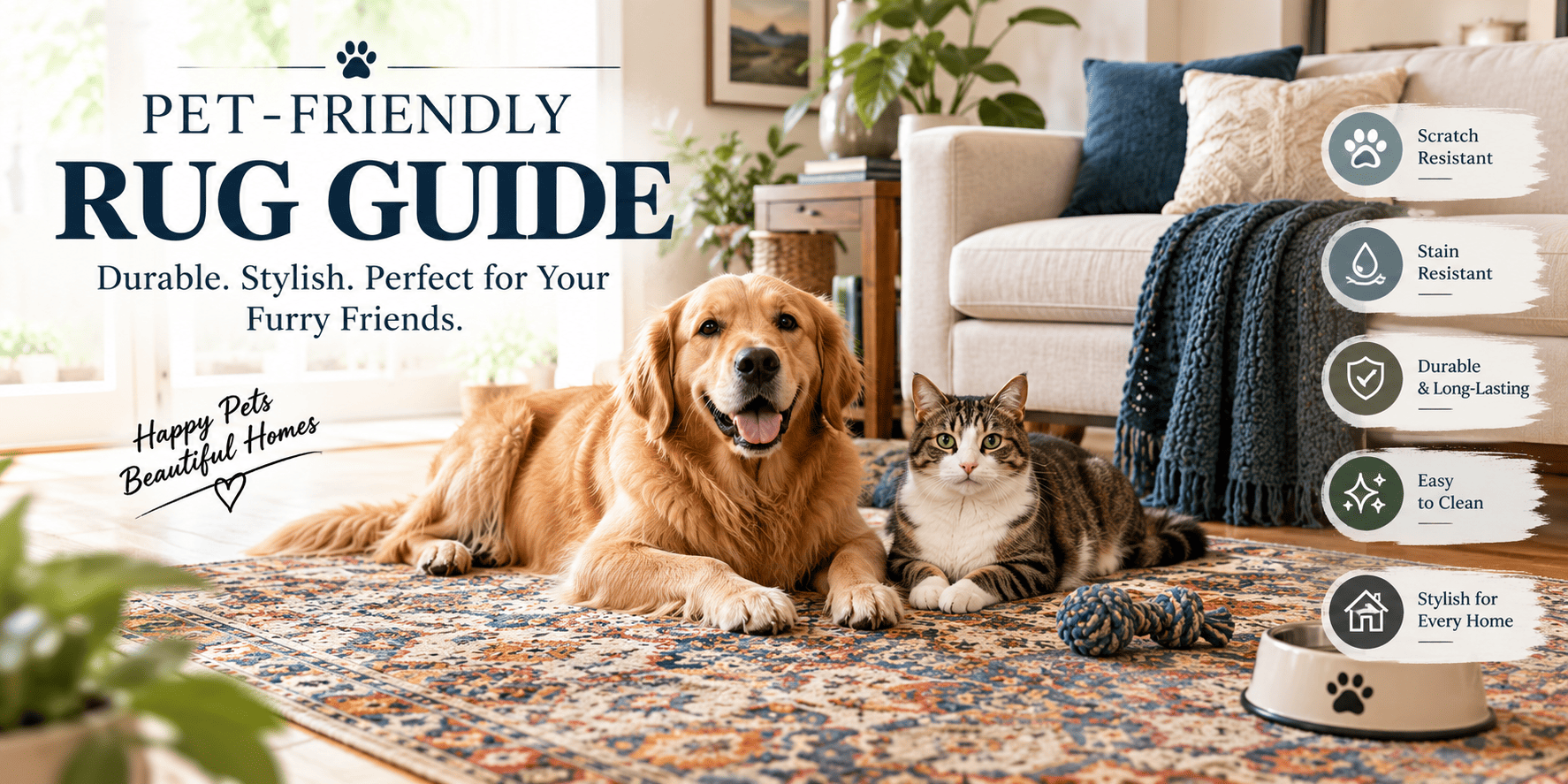
The best pet-friendly rugs are long-lasting, easy to clean, resistant to stains and snags, and should go well with your pet’s habits.
Low-pile and tightly woven rugs are usually easy to clean and have less chance of catching claws, while wool, polypropylene, nylon, and other fibers have their own advantages.
The right selection of rug depends on hair shedding, accidents, scratching, foot traffic, and room location.
Best Rug Characteristics
Need | What to Look For |
Best materials | Wool, polypropylene, nylon and other practical fibers |
Best pile | Low-pile or flatweave |
Best color and pattern | Mid-tone, multicolor and patterned rugs |
Best for pet accidents | Easy to clean, stain-resistant construction |
Best for luxury homes | Well-constructed wool rugs |
Quick Summary:
The rug should be according to your pet's habits, concerns, and comfort.
Before buying a rug, take proper measurements of the area.
Firstly, choose the rug, then add furniture that complements it.
A rug should be pet-friendly if you want to use it for pet areas.
Before choosing a rug, check its material, construction, age and condition.
A pet-friendly rug is a rug that can manage day-to-day pet issues. It should be strong, comfortable, and easy to clean.
A pet-friendly rug is one whose fiber, pile, construction, and care requirements are ideal for a pet-friendly household. It does not have to be specifically labeled as ‘pet-friendly’ to fit into your home.
Pets not only bring pet hair onto a rug, but also bring everything related to them. Depending on your particular pet, the rug should handle muddy paws, dirt, drool, food and water spills, urine, vomit, odors, scratching, and heavy traffic.
A well-chosen, best-quality rug easily manages regular vacuuming without being weak, damaged, or tough to maintain.
No. The term pet-friendly does not mean that it will remain protected from all stains, claws, chewing, accidents, or damage.
Pet-friendly ≠ stain-proof ≠ damage-proof |
Several minor details can create a major difference. Before purchasing a rug, check the rug’s fiber, construction, pile height, cleaning needs, color, and how well it will stay on your floor.
Let’s discuss the factors that make a rug pet-friendly:
A rug that has strong fiber does not mean it is durable. From its construction and knot density to overall construction quality and ability to handle daily traffic, everything matters.
If your pet runs around the rug the whole day, then go for a construction that can manage their regular movement.
Shorter piles are usually easy to maintain and clean, and there are fewer chances of trapping pet hair. A low pile can be very useful if your pet scratches or brings dirt frequently.
Look for a tightly constructed rug if your pet likes to scratch, dig, or knead. If the rug is properly woven, then there will be no loose loops for claws to catch, although no rug is completely snag-free.
Stain resistance, water resistance, waterproofing, and easy cleaning are all different. A stain-resistant rug may not get permanent marks, while an easy-to-clean rug helps with easier removal of spills.
Consider your actual cleaning needs. If your pet sheds every day, a rug difficult to maintain may become very disappointing, regardless of how beautiful it is.
Your pet spends hours resting on the rug, implying comfort matters too. A low-to-medium pile can be a relaxing place for your pets to rest, as these rugs are not so deep, having less chance of hair being trapped, which usually happens with some very deep rugs.
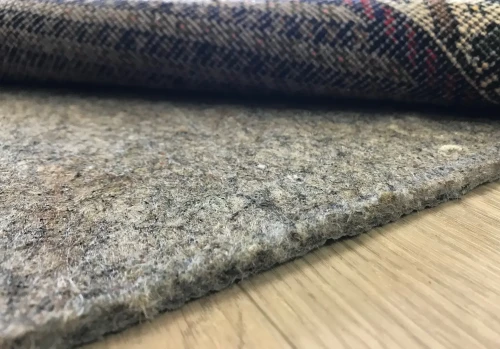
A rug should stay in the place you put it. A good-quality rug pad can minimize both sliding and bunching. Also make sure to check the corners frequently, as the edges get curled and can be a tripping issue for pets and other people.
You may not need a dark rug just because you have pets. Mid-tone colors, mixed colors, and patterns can make loose hair, paw prints, and everyday dirt less noticeable during cleanings.
There is no particular material that works well for all pet households. The selection of material depends on what your major concern is, whether it’s shedding, accidents, scratching, heavy traffic, or easy maintenance.
Rug Material | Durability | Pet Hair | Stain/Spill Handling | Cleaning | Best For |
Wool | Excellent | Good | Good | Moderate | Rich and durable |
Polypropylene | Excellent | Good | Excellent | Easy | Cluttered households |
Nylon | Excellent | Good | Excellent | Easy | Heavy traffic areas |
Cotton | Moderate | Moderate | Moderate | Easy to Moderate | Low traffic areas |
Seagrass | Good | Good | Limited | Moderate | Natural-look spaces |
Jute | Moderate | Moderate | Limited | Challenging | Decorative or light pet traffic areas |
Polyester | Good | Good | Good | Easy | Budget-friendly and easy to maintain areas |
Silk | Low | Poor | Poor | Tough | Low-pet-traffic areas |
Yes, wool can be an ideal option when seeking durability, comfort, and a rich feel. Wool is made up of natural fibers that give a stain-resistant quality. However, it also depends on the construction. A delicate or high-priced wool rug may need more careful cleaning than a practical synthetic one.
Polypropylene can be an appropriate material for households with frequent spills and that need regular cleaning because of dirt. Many polypropylene rugs are easy to maintain and can be particularly good for busy family rooms, dining areas, and other heavy-traffic areas.
Nylon is a perfect option for high-traffic areas. If your pets and family move constantly, nylon’s long-lasting quality and resilient features make it a better option.
Cotton rugs can be a good choice for low-traffic areas and are usually easy to maintain. They may not be the best choice for a home with many pets, as they generally do not offer the same level of durability as some wool or even synthetic ones do.
They can be perfect for households where you want a natural look, and your pet does not create frequent wet messes. However, jute and seagrass are generally less tolerant of moisture and difficult stains, so they are best for lower-risk areas.
Silk rugs should not be used around active pet areas. Their delicate fibers and high care needs make them imperfect for a household where pets scratch, play, shed heavily, or have accidents.
The best choice will always depend on your pets. A pet with heavy shedding, scratching, and regular accidents does not require the same category of rug.
The rug construction can be just as necessary as the material it is made from. Look for the structure that makes vacuuming, cleaning, and daily life easier.
Low-pile rugs are easy to vacuum and help remove loose pet hair more easily. They are also a great choice for entryways and other areas where dirt may get tracked inside.
Flatweave rugs have some raised piles, so there is less space to allow hair and dirt to settle. They are particularly essential when easy cleaning is more important than a soft cushioned feel.
Tight construction can reduce loose spaces where claws can catch. Well-constructed is important to consider for pets that scratch or dig at rugs.
Hand-knotted does not mean the rug is pet-friendly. A good-quality handmade rug can be more long-lasting, but you should focus on fiber, pile, dyes, construction, and cleaning needs too.
Vintage and distressed rugs have natural differences that can help make daily hair, minor marks, and regular wear less visible. This does not make them stain-resistant, but they can be easier to keep an eye on when cleaning up spills.
Washable rugs can be a great option for homes with frequent spills and accidents. However, do not think every washable rug can be washed regularly. Be sure to look at both the washing, drying, and care instructions provided by the manufacturer.
An entryway rug can easily catch some of the dirt and moisture that your pet may bring into the house. Choose a low-pile rug for the entrance that stays protected and can be cleaned easily.
High-pile rugs may be soft and comfy, but they can be harder to clean and trap more hair. Because of their construction, they catch claws easily.
| Most pet households prefer more space and easy cleaning rather than high rug pile height. |
If you are thinking of choosing between these two, then a low pile can be the easier option for everyday pet care. While a high pile can still work, it needs more focus.
Feature | Low-pile | High-pile |
Vacumming | Easier | Harder |
Pet hair removal | Easier | Tougher |
Claw snagging | Lower Risk | Risky |
Plushness | Moderate | Harder |
Pet-friendly practicality | Better | Depends on pet |
Not necessarily. They can be comfortable, but shag rugs that are too deep can catch hair and are difficult to clean. They may not be the easiest option for heavy shedders or pets that regularly have accidents.
Read: Rug Pile Height Guide.
The appropriate rug color won’t hide pet hair or stains, but it can make everyday messes less noticeable. This could be an advantage if your pet likes to spend a lot of time on the rug.
Mid-tone gray, brown, beige blends, and natural earthy tones are all good choices. You can also think of a rug with colors close to those of your pet’s coat. This will not help to remove loose hair, but it can make it less noticeable.
Generally, they can make your life visually easier. Patterns divide the surface, so hair, paw prints, minor spills, and everyday dirt are less noticeable than on a solid rug.
Rather than asking which rug is best, consider which problem you have to face most frequently and choose the feature that will help to solve that particular issue.
Pet Problem | Rug Features to Prioritize |
Heavy hair shedding | Low-pile and easy vacuuming |
Scratching | Tight construction |
Pet accidents | Easy to clean and stain-resistant surface |
Muddy paws | Low-pile and darker pattern |
Spills | Easy to clean material |
Digging | Long-lasting construction |
Litter tracking | Low-pile |
Multiple pets | Durable and easy to maintain |
A rug placed around your pet’s bed needs enough strength to handle extra hair, bodily oils, and daily traffic, more than a rare decorative rug.
A low-to-medium rug pile can provide your pet with a good place to rest without making vacuuming difficult.
If your pet is going to spend most of the time in the same area, pick a rug that can easily handle regular vacuuming and cleaning instructions suggested by the manufacturer.
Place the rug safely so that the pet can not slide the rug while getting up, moving towards the bed, and playing in the area. That can cause the rug to shift and create a tripping issue.
Your rug doesn’t need deep-cleaning every couple of days. In fact, it’s easier and healthier to maintain a consistent cleaning schedule and take measures to avoid pet hair, dirt, and spills from going deep into the rug and causing issues.
Following these can help keep your rugs with pets:
Vacuuming depends on how much your pet sheds; if the pet is a heavy shedder, then you need to vacuum more frequently than with a short-haired one.
When you vacuum, make sure you are doing it gently and also focus on the edges, corners, and areas under furniture.
The longer a spill sits on a rug, the more chances there are to get it trapped in its fibers. Blotting the liquid with a clean, dry cloth is better than trying to harshly scrub the affected area.
Regularly brushing pets can eliminate the amount of loose hair before it spreads all over the rug. This is especially important for pets during heavy shedding seasons.
If your room allows, rotate the rug evenly; this will equally divide traffic and help avoid damage.
Having a good-quality rug pad underneath your rug can give a better grip to the floor and avoid slipping or bunching.
It’s much easier to clean a small rug than frequently dealing with water and food spills on the main rug. Use a separate washable rug to place under the bowls.
It’s better to just clean that upper washable one rather than cleaning the whole main rug every time.
It’s a good idea to get your rug professionally cleaned if dirt, stains, or odor stay after a regular cleaning routine.
Handmade, Persian, or Oriental rugs need special care, so it’s a good idea to hire a cleaner who has experience in all the rug categories.
Start by vacuuming gently and overlapping passes. Focus on the sleeping or the most used area of your pet. To clean pet hair from handmade rugs, do not harshly scrub, clean, or brush; make sure to follow the care instructions first.
It’s a good idea to remove pet hair as soon as it starts to build up rather than waiting for it to get trapped deep into the rug. Pets that shed a lot may need to have their hair removed several times a week, but pets that shed less may also require regular brushing.
It’s a good idea to act quickly and remove any solid matter. Then blot any liquids, and avoid harsh scrubbing. Make sure you follow the care instructions of the rug and let it dry completely.
The first few minutes are always important. If there is any solid material, it should be removed, and liquid should be blotted up. Do not harshly scrub, and only use cleaners recommended for the rug. Then the area should be allowed to dry completely.
The possible amount of urine should be blotted up with a clean, absorbent cloth. Rubbing should be avoided as it can push the liquid further into the fibers.
Dried urine can be harder to get rid of as it may have gone deep into the fibers and pad. If spot-cleaning doesn’t work, it may need to be sent to a professional cleaner.
An enzyme-based pet odor eliminator may help neutralize the smell, but make sure it won’t harm the dyes or fibers of the rug.
When the rug pad gets urine on it, only cleaning the top of the rug may not be enough. The affected area of the pad will determine if it can be cleaned or needs replacement.
Call a professional rug cleaner if the smell of the accident remains consistent. If it was a big accident, or if the rug is a special type or handmade. They may also be necessary if the accident has gone deep into the pad.
Vinegar, baking soda, and hydrogen peroxide should not be used for usual rug cleaning. Different fibers, dyes, and backing materials can have different reactions.
Always check the care instructions before cleaning, and patch test any solution if you find it appropriate.
Recurring odor implies that urine has gone deep into the rug, or it was not properly removed from it. Deodorizing the area may only offer temporary relief.
There may still be a smell in the rug, pad, or even the flooring beneath it. Incomplete removal can allow smells to return when the area becomes damp.
A surface odor may require proper spot cleaning, while a deep odor may need deep cleaning or professional treatment.
Treat pet accidents quickly, dry the rug completely, and use a rug pad where needed. Regular vacuuming can also help to minimize trapped hair and dust.
Regular odor, repeated accidents, or valuable handmade rugs are good reasons to seek a professional cleaner familiar with the rug construction.
The choice of the right rug depends on the fiber, construction, pile, color, room conditions, and pet behavior. Not every purchase of a rug can be labeled “pet-friendly”. Below are the common rug-buying mistakes you should avoid while purchasing a pet-friendly rug.
A beautiful rug may become irritating if it cannot meet your pet’s heavy traffic, shedding, or cleaning needs.
A deep pile can trap more hair and become difficult to vacuum regularly.
Pets that scratch or dig need a tight rug construction with fewer snagging options.
Light solid shade rugs get mud, hair, and stains more quickly, increasing the need for frequent cleaning.
Dark rugs can hide dirt but may make pet hair more visible, pattern and color variation are often more forgiving.
Scrubbing harshly can damage fibers and spread a stain, blotting is usually a safer option.
Always follow the given care instructions on the rug before cleaning, especially on wool, silk, or handmade rugs.
A moving rug can be a safety issue and can bunch unevenly. Use a rug pad for rug stability.
The faster you treat a spill or accident, the better your chances of managing stains and odor.
Handmade rugs come in a variety of fibers, dyes, and constructions, so always check product-specific care needs.
Material, construction, pile, color, room, and pet behavior determine how suitable a rug will be, buy accordingly.
Consider this checklist before purchasing a pet-friendly rug; make sure the rug meets your pet, room, and cleaning needs.
You should know the level of hair shedding your pet does.
Check if it has scratching or digging habits.
Check the amount of traffic a rug can handle.
Evaluate the rug pile, whether it’s a low or moderate pile.
Check if the rug is tightly constructed.
Ensure that the rug is suitable for frequent vacuuming.
Follow the best cleaning method recommended by the manufacturer.
Go for a color that makes everyday hair less noticeable.
Check if your rug needs a non-slip rug pad.
Ensure that the rug material can handle frequent pet accidents.
Confirm if your rug is valuable enough and needs professional cleaning.
Tip: Choose the rug based on your pet’s behavior, not simply style or material.
The easiest way to choose the best pet-friendly rug is to identify pet-related concerns first and then determine its construction, pile, and fiber that address that specific concern.
Concern | What to choose |
Heavy shedding | Low-pile and easy-to-vacuum rugs |
Pet accidents | Easy-clean and stain-resistant material |
Scratching | Tight rug structure |
Mud | Low pile and practical color and pattern |
Multiple pets | Durable, easy-maintenance and low to moderate pile |
The best pet-friendly rug is not the most expensive or the one made from a specific fiber. Before choosing the right rug, consider your pet’s actual habits first, then check pile height, construction, durability, cleaning, color, and care requirements.
If your pet is a heavy shedder, then low-pile designs can make your daily cleaning easier; for pet scratches, opt for tight construction; and for pet accidents, choose an easy-to-clean material.
For a rich and relaxed option, a well-constructed wool rug can be the best option, offering durability, comfort, and natural stain resistance if properly maintained.
At Magic Rugs, you can compare different rug styles, materials, sizes, and constructions to find an appropriate option that works well in your home and is suitable for an everyday pet-friendly lifestyle.
Read: Oriental Rug Buying Guide.
Low-pile, flatweave, and tightly constructed rugs are generally the best type of rug for pets, as they make vacuuming, hair removal, and spot cleaning easy while minimizing loops for claws to catch.
Polypropylene and nylon are great choices for many pet households as they can offer durability and easy maintenance; wool can also be a good choice where comfort and luxury are priorities.
Tightly woven wool, nylon, or other suitable fibers can work well. You should always focus on minimizing loose loops and snagging points if your pet scratches.
Yes, wool has resilient, durable, and natural stain-resistant features, but the rug’s construction and care needs actually determine whether it is suitable for your household or not.
Yes, polypropylene can be the right choice for homes that need durability, easy cleaning, and good resistance to everyday spills.
Yes, for many households, low-pile rugs are usually easier to clean and maintain. They can also minimize hair trapping and claw snagging.
No, high-pile rugs can work for some pets, but they may need more maintenance and are less suitable for heavy shedding or frequent accidents.
A low-pile or flatweave rug with an easy-to-clean feature is usually the most practical option, while a patterned or mid-tone design can also make loose hair less visible.
Rug Guide
Rug Guide
Rug Guide