0 Items In Cart
No products in the cart.
Your privacy
Choose which cookies we can use. Your choice is saved for 12 months, and you can change it at any time from Cookie Settings in the footer. Read our Cookie Policy.
Needed for the site to work, such as your cart, checkout and account sign in. These cannot be switched off.
Remember your choices, such as your wishlist and recently viewed rugs, so the site feels personal.
Help us understand how visitors use the site so we can improve it. The data is collected in aggregate.
Used by our advertising partners to show you relevant Magic Rugs ads on other sites.
Table of Contents
If you are thinking of purchasing a Persian rug in 2026, then it is a great option to add a valuable piece to your rug collection, as these rugs have detailed designs, handmade construction, natural materials, excellent quality and timeless beauty.
Some rare, aged Persian rugs hold or gain more value and sell at higher prices in auctions, making them more appealing to buyers.
Over time, Persian rugs have gained more value, but only a few rugs have the potential to provide better returns when resold. The factors that influence the cost of Persian rugs include age, condition, resale, rarity, origin and craftsmanship.
Before buying a valuable Persian rug, measure the risks involved and know your preferences, whether you want a valuable or just a beautiful decorative rug for your home.
A good investment is one that goes well with your budget and needs, not one that only provides profits in future.
Persian rugs retain value for the long term mostly if they are rare, genuine, in good condition, and have proper details of origin. However, the value of a decorative rug is usually based on its beauty, quality and durability instead of expected financial profits.
Persian rugs are different from collectibles as they can be showcased and significantly used while being attractive. However, their resale price is based on finding an ideal buyer, and selling the rug usually takes time.
Asset | Main Value Factor | Key Consideration |
Persian Rugs | Focuses on rarity, condition and craftsmanship | Getting the right buyer takes time |
Art | Based on origin, demand, and artist | Prices are not fixed |
Gold | Based on market price and purity | Easy valuation using market prices |
Furniture | Based on brand, age, and condition | Daily use of furniture loses value over time |
In contrast to other collectibles like gold and art, Persian rugs have more risk due to market demand, difficulty in claiming authenticity, and liquidity constraints.
Buyers must evaluate the value of each rug they wish to purchase to ensure a reasonable price point.
Not each Persian rug becomes valuable with time. Individually, age cannot determine a rug's ability to appreciate. A rug's rarity, excellent craftsmanship, good condition and reliable history influence its demand and growth. These factors make it valuable over time.
Let's discuss all the factors in detail that make a Persian rug more valuable:
Buyers find old rugs more attractive if they are rare and well-preserved. Age and rarity are not the only factors that provide better returns in future.
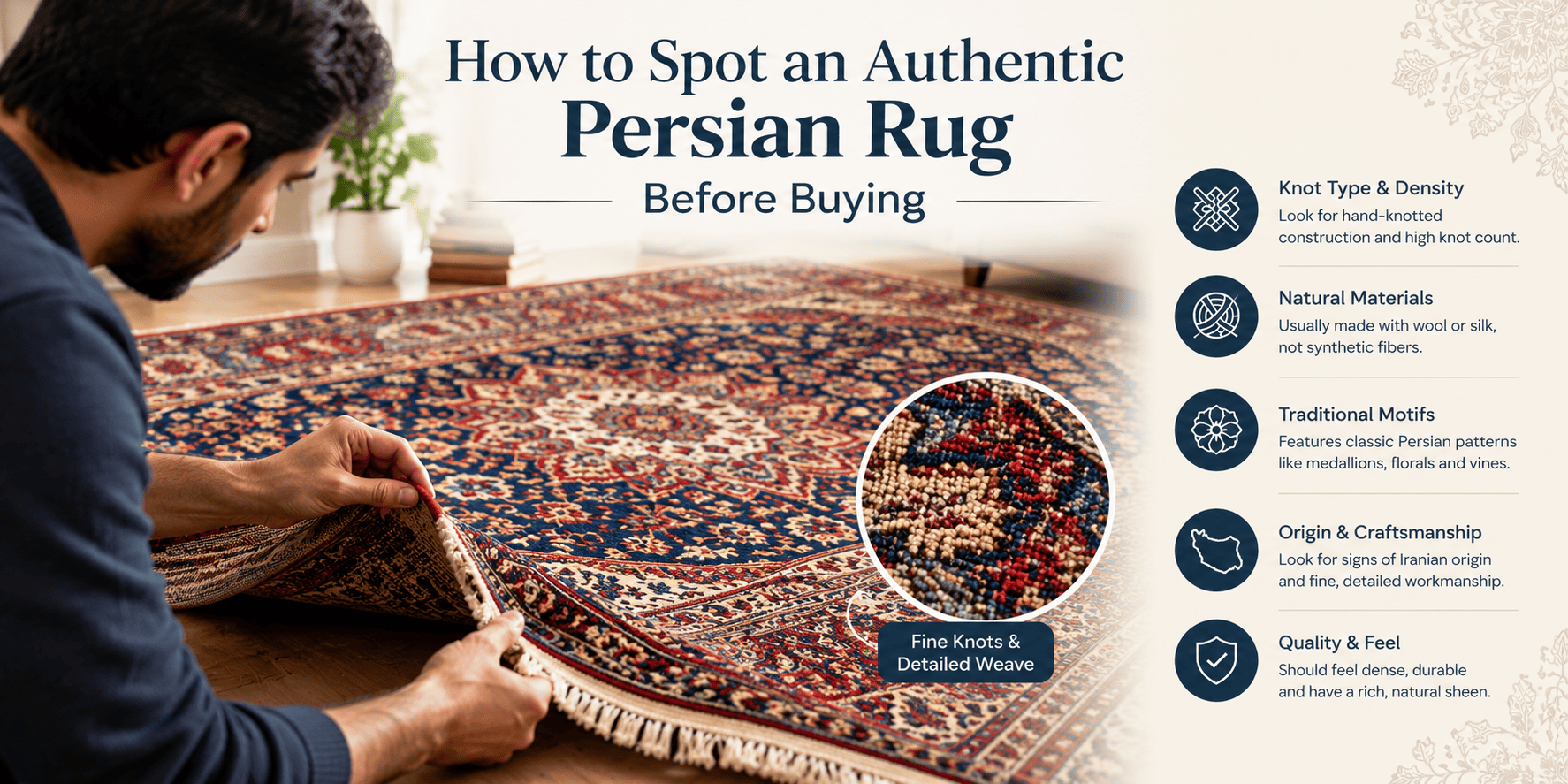
The fine handmade quality, natural materials like wool or silk and intricate patterns can influence the value of a rug. Knot density affects the value more than only the costly materials alone.
However, buyers should examine the rug to verify these claims.
Rugs related to genuine weaving areas such as Tabriz, Kashan and Isfahan usually attract buyers.
A rug with proper details about its origin, age, history or ownership helps buyers check its value when purchasing a costly genuine rug.
The rug's condition contributes to its ability to resell and generate higher value. A strong piled rug, with similar color throughout, and less damage may impact its demand more than badly damaged rugs.
More need for repairs, fading, and damage can lower the value of a rug, even if the rug is old.
A buyer must ask about the repairs and ensure that the product's condition aligns with the seller's claims regarding its state and history.
In 2026, the Persian rug market had not followed any particular price trend. The results of the auction show that prices widely differ depending on the rug type, age, condition, origin and rarity, so it is impractical to estimate whether the value of Persian rugs will increase after a specific period.
Updated auction data from October 2026 states that many rugs sold for hundreds of dollars. Only a few reached a thousand dollars or more, which implies that some exceptional pieces reach higher sale prices. Not every common rug sold at an exceptional price.
Before purchasing a Persian rug, the ideal way for buyers is to compare exact sold prices of the same rugs instead of depending on retailers for the asking price.
The market can change anytime, and past sales never ensure better returns in future.
Some rug types have the potential to attract a stronger buyer appeal depending on their rarity, excellent craftsmanship, history, and design. However, no style promises an increase in price, and the condition of each Persian rug plays an important role.
Let's discuss the rug types that retain more value:
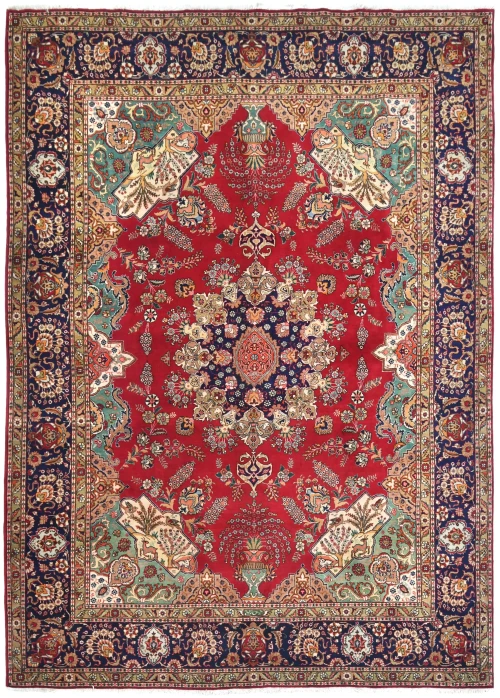
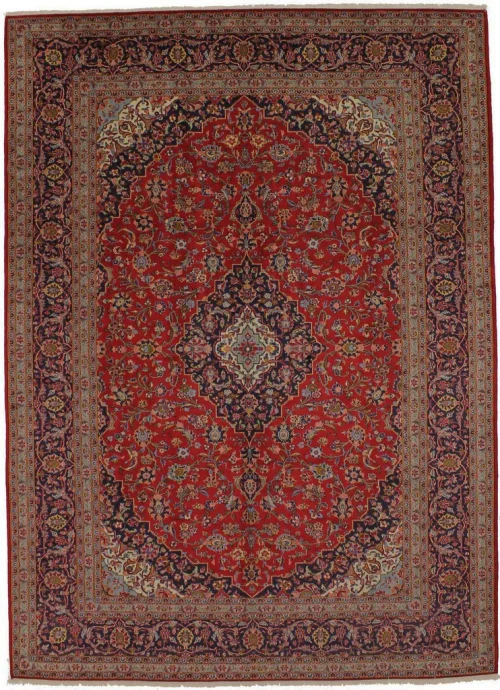
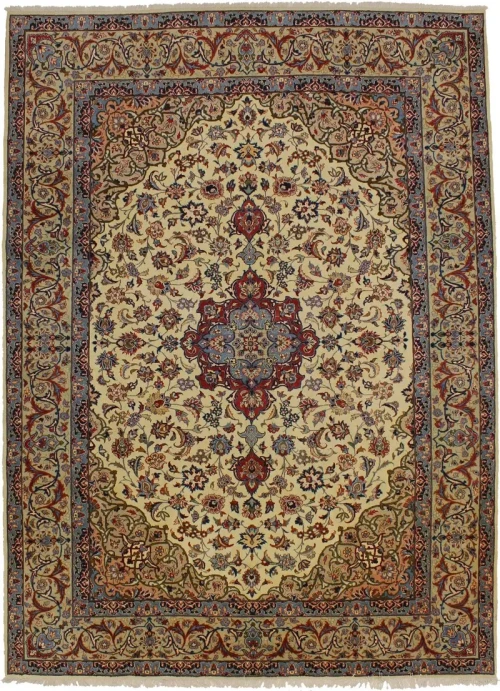
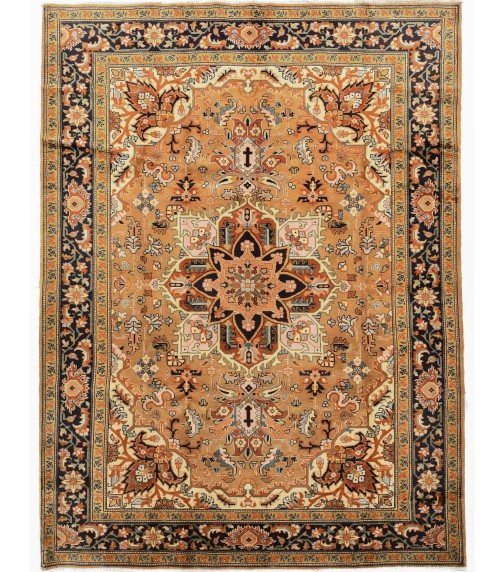
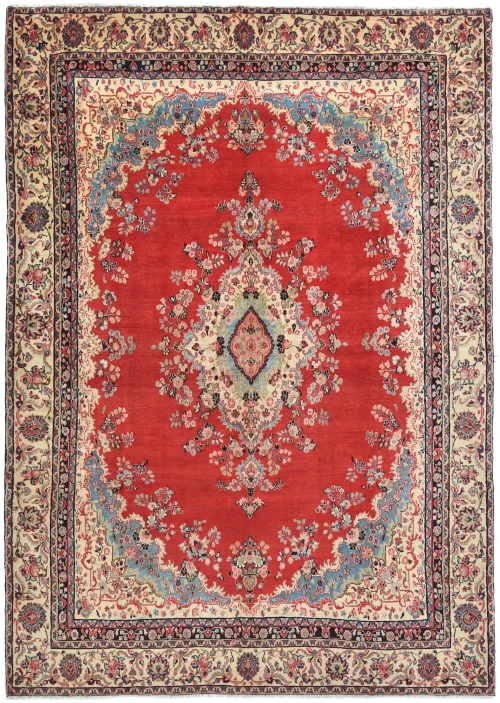
These fine handmade rugs came from well-established weaving areas that attract buyers when they have proper details of genuine origin and quality. Rare designs and good condition, combined with authentic historical records, make them more valuable.
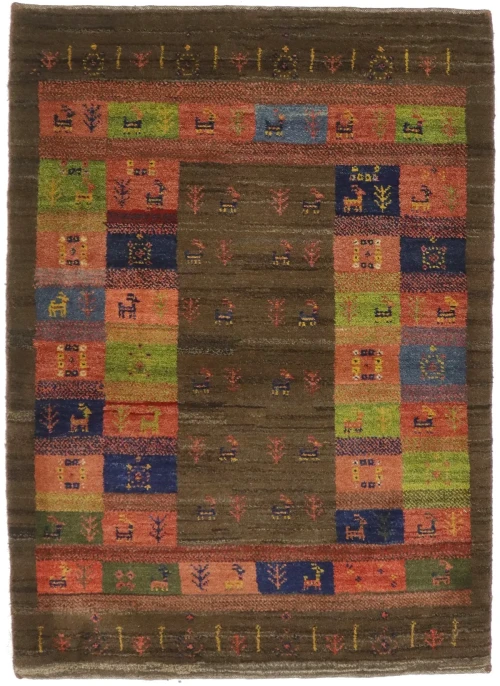
Some aged village and tribal rugs look more attractive to buyers because of their unique designs and traditional detail. The demand for rugs depends on the rarity and the condition of the rug, which impacts more than just having an exclusive pattern.
Silk rugs are known for their finesse, intricate delicacy and clean, firm finish. However, silk rugs individually don't promise an increase in resale value, it still depends on factors like craftsmanship, demand and condition.
Purchasing a Persian rug for profit has some risks that can be easily ignored. Focus on these factors before paying much.
Uncertain resale value: Ability to resale at a lower cost than you paid.
Selling prices: Broker commissions, auction charges, and shipping can impact your returns
Slow resale: Time spent finding the ideal buyer, it can take months or more.
Maintenance: Cleaning, storage and repairs can influence the purchase price.
Authenticity concerns: No proper details about a rug's age and origin may lead to spending more.
Before buying a valuable rug, it is important to take advice from an experienced, well-qualified rug expert, ensuring that the rug's expected price is worth paying.
Persian rugs are best for collectible use rather than quick resale. Many short-term buyers may struggle to get back the retail price because resale deals pay less than the original purchase price.
Over time, a rare and well-preserved rug can easily develop buyer interest. However, factors like storage, insurance, restoration and selling costs can affect any financial profit.
There is no fixed return percentage applicable to every Persian rug. Basically, the ROI depends on the product's projected resale value and the overall costs involved, such as product maintenance and selling price reductions.
According to a study on auction data during the year 2017, on average, the Persian rug price appreciated at a rate of 4.1% between 1995 and 2015.
The results of this data don't provide any estimate of the rate of appreciation or better returns, or highlight any rug.
Let's take an approximate idea from the given example to understand how selling price affects the overall gain:
Purchase and Resale Scenario | Amount |
Purchase Price | $2000 |
Resale Price | $2400 |
Selling Costs | $300 |
Net gain before other owner’s costs | $100 |
Persian rugs can be suitable for those buyers who value traditional rugs and excellent craftsmanship and can spend enough money to purchase the product without relying on a quick resale.
These rugs may not be best for buyers looking for fixed returns and short-term gains.
Invest in these rugs if you:
Like to add traditional rugs to your collection and want to learn more about rug history.
Can check rug authenticity from its origin and condition to its quality.
Have enough money to spend on maintenance and selling costs.
Like to enjoy having a rug that does not come with a guarantee of future returns.
Now in 2026, Persian rugs are a great option to support handmade craftsmanship. In terms of investment, Persian rugs can be a valuable purchase option.
However, they do not guarantee fixed returns. Although some rare and well-maintained pieces with excellent craftsmanship, good condition and verified origin may provide better resale value, decorative rugs can be purchased for daily use.
In auctions, always consider the rug's condition, or you can take a rug expert's help before buying a higher-priced Persian rug.
You can visit Magic Rugs to know more about valuable Persian rugs. We have a wide range of Persian rugs, available in different styles, sizes and materials and buy one that suits your taste, budget and home requirements.
Shop our Persian Rug Collections
Depending on a rug's rarity, authenticity, age, and condition, you can invest in high-end Persian rugs that may appreciate over time, but there is no guarantee of fixed returns. Examine the value and the mentioned factors before spending on a high-priced Persian rug.
Some rugs might become more valuable. Usually, it depends on their rarity, good condition and verified place of origin. However, age alone does not make a rug valuable, and some rugs get sold at a lower price than their original purchase price.
Each rug should be considered individually, but rare, antique, and unique tribal pieces attract buyers the most. Authenticity, condition, rarity and claimed history are the important factors that make a rug more valuable than just the name of the rug.
No, not necessarily. They can provide excellent quality and practicality, but they cannot be sold as quickly as gold. Therefore, one should consider the risks and potential outcomes of the purchase before purchasing a Persian rug, always check the needs, budget and risk involved.
There is no particular time period to hold a rug to see its worth. A rare rug may take years to get the right buyer for reselling, and the total buying cost and market demand still impact the profit.
Rug Guide
Rug Guide
Rug Guide