Cart (0)
No products in the cart.

Table of Contents
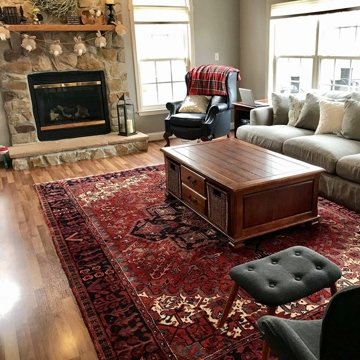
Sniffing and trying to find out where that damp, stale, musty smell is coming from? You checked the room, the corners, even the walls and outside the windows. But still not able to find the source of that smell. Finally, your eyes spot the damp, handmade rug lying in the room.
Smelly mold patches are growing on the surface and also damaging the fibers deep inside. The moisture gets trapped in the fibers. Mold grows quickly, and the small spores go deep inside the rug. They feed on that trapped moisture and slowly damage the rug from the inside out.
Handmade oriental rugs are easily damaged because the natural fibers are quick absorbers of moisture. Molds not only damage the rug but also affect the air quality, cause allergies and leave stale odors. With time, it also makes the wool or silk fibers weak.
But the good thing is that if your rug develops mold and you find it early, then it can be removed successfully. Let's understand how?
Mold lives in damp, humid, and closed environments. Handmade oriental rugs are made from natural fibers such as wool, cotton, and silk. The fibers of these rugs have the ability to absorb humidity easily. If the moisture stays for a longer time, then it quickly develops mold.
The most common causes of mold development on oriental rugs are:
When water spills are left untreated, it adds moisture to the rug.
High indoor humidity and moisture get trapped in it.
Wet floors under the rug make the rug wet also.
Because of poor air circulation, rugs take longer to dry.
Water leakage damage makes the rug wet.
Storing rugs in damp areas causes the quick development of mold in rugs.
Cleaning the rug without drying it properly, the half-wet rug becomes stale and moldy.
Highly humid basements, closed rooms, and humid climates increase the chances of mold growth.
When we check the rug very late, it gets completely damaged by mold. To reduce this, we should check the rug frequently and also know how to identify mold early.
Here are the early signs that show the mold is growing on your rug.
A continuous stale, odd and nasty smell comes from the rug.
Dark green, black, or white fuzzy patches on the rug surface
Worn-out color on the back of the rug and the front of the rug.
The rug feels soft and moist when touched.
Fibers feel clumpy and slimy when touched.
A white, powdery residue on the surface.
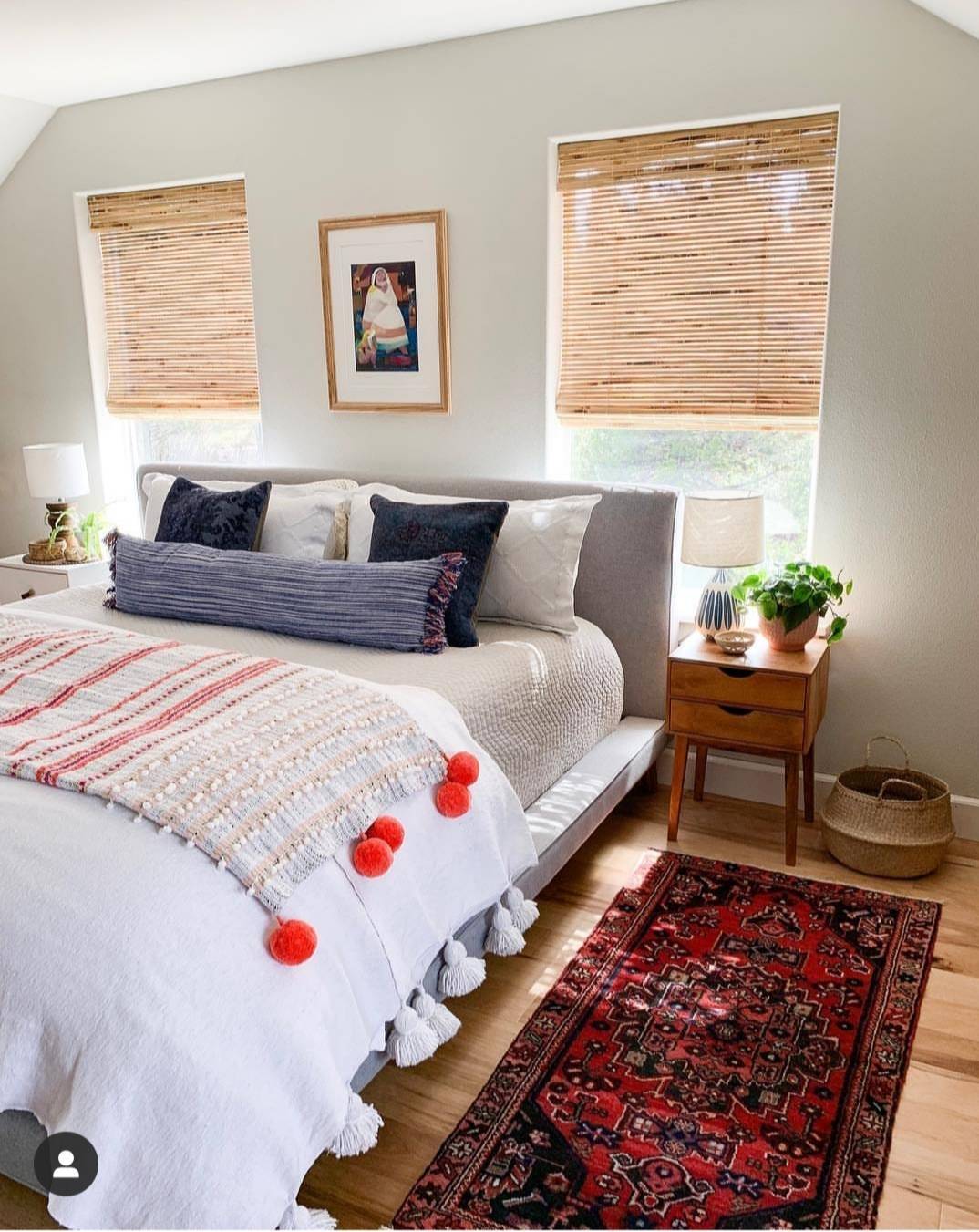
It is important to follow these steps to remove the mold from rugs effectively. Each step is dependent on the previous one. If you skip any of it, especially the drying step, the mold comes back in no time.
Put the rug in a completely clean and dry outdoor space. There is a risk of spores coming inside your home. You can choose an outdoor place where sunlight and fresh air come directly.
You must protect yourself, as the spores can go inside your eyes. So you need to wear protective gear like gloves, a face mask and goggles. It is important to wear protective gear because spores spread in large areas.
Use a dry brush to remove mold spores that are stuck on the surface. Always brush off your face and body to ensure safety. If the pile is wool or silk, be extra gentle so that the fibers of the rug do not get damaged.
Vacuum from the front to the back of the rug, then vacuum after the dry brushing. This lets you remove mold spores that have become loose before using water or any other liquid. Use the vacuum bag with you to throw it instantly, whenever you go outside.
Put a little washing liquid in a bowl with lukewarm water and mix it with a spoon. Do not use bleach, strong detergents, or ammonia because these harsh chemicals only cause fading and harm the natural fibers.
Grab a soft scrubbing brush or a piece of clean cloth. Use it to rub the part. Use it gently in circular motions. After that, press the cloth in a blotting way as a way of drying the area. Do not rub hard, rubbing pushes spores deeper into fibers and also damages the pile.
Hang or lay the rug in full direct sunlight for at least 4 to 6 hours to dry the rug. Turn it over after 2 hours. Sunlight is known as a natural germ killer. So your rug should be completely dry before you bring it inside.
Do the final vacuum once the rug is 100% dry to remove mold remains and free particles of mold. Your rug will be clean again, and the living area it completes will be ready to be put back in place again.
To get rid of the mold, you need to ensure that it will not grow again. Add these practices to your regular rug maintenance routine to prevent your rugs from mold damage.
Try to maintain indoor humidity below 50-55%. During the humid rainy seasons in the USA. Usually, in areas like the basement or the ground floor where the level of moisture is high and ventilation is poor, using dehumidifiers to protect rugs from mold growth is suggested.
Opt for a breathable rug pad, made with natural jute or open-weave rubber. Avoid solid plastic or vinyl pads that trap moisture under the rug. They not only trap moisture but also create an ideal environment for mold. Lift and dry the rug pad properly once every few months.
Clean and dry the spilt liquid immediately with an absorbent cloth. Never rub it. Put the fan directly at the wet part for 1 or 2 hours after blotting. Don't think a spill is gone. The area should be dry from front to back, on both sides.
At least twice a year, take your oriental rug outside on a dry, sunny day. Leave it under the sun for around 3 to 4 hours on each side. This will kill any dormant mold spores and refresh the fiber. This will help you to get rid of any odor that has built up.
Do not store a rug without cleaning and drying it first. Always roll it, do not fold it and wrap it around an acid-free tube. Wrap it in breathable cotton muslin or acid-free paper. Never use plastic wrap or sealed bags.
When you store it in a cool, dry, and ventilated place, it will last longer. Adding silica gel packets will also help to absorb humidity during storage.
You can also use some natural remedies to remove the molds from the rug. The following remedies have their own way to remove the molds. Choose the remedy based on the mold's severity level.
White vinegar is considered to be the best method for removing molds from an oriental rug. It is also a safe method for fabrics like wool, cotton, and most natural dyes. It not only kills mold on the rug surface but also removes it from the root. Always dilute vinegar 50/50 with water. Never use pure vinegar on silk rugs, as acid can harm delicate silk fibers if used continuously.
Baking soda does double duty. First of all, it draws out moisture from the fiber. Moreover, it changes the pH of the rug's surface, making it resistant to mold growth. You can use it right after doing the white vinegar method or for mild odor removal. Leave it on the rug for at least 6 hours before vacuuming it.
Hydrogen peroxide works very effectively against fungus. It breaks down the mold to its molecular level. Apply it to tough stains that the vinegar didn't fully cover. Always do a patch test on a hidden corner. As it can fade some of the natural dyes used on traditionally colored rugs.
Add 1 teaspoon of tea tree oil to a cup of water. Spray the mixture on the affected area. Tea tree oil acts as a natural fungicide and antibacterial agent. It also helps to get rid of the odd odor very well.
Quick tip: Never use bleach; it damages natural fibers like wool and silk. It permanently wears out the natural dyes used in oriental rugs.
The mold growth on a rug is not just a problem related to a stale, damp smell. It is a problem where the rug fibers become weak, the color fades, and the appearance of the rug is affected. Never overlook the mold growth in handmade rugs. If you ignore the removal process, the longer it takes, the harder it is to reverse the damage.
The best way to remove mold is to act quickly, dry the rug entirely, clean it and vacuum gently. Do not use harsh chemicals or too much water, as these also might harm delicate handmade fibers. By using proper maintenance, with regular cleaning and good airflow, your oriental rugs will look fresh, clean, and beautiful and also become durable and last for years.
Every rug tells its own story. At Magic Rugs, we provide rug services like mold removal, rug repair & deep restoration, and professional rug cleaning.
Magic Rugs is also one of the leading rug stores that offers Persian rug Carpets in Charlotte, NC, with a wide range of stylish and beautifully designed handmade Oriental area rugs at an affordable price for beautifying homes, offices, and other places.
Sunlight can help in killing mold naturally, and you can use it as an integral part of mold removal rather than depending only on it. The spores of the mold present on the surface can easily be killed by UV rays. But, in the case of thick-pile oriental rugs or deeper mold, sunlight might not be able to go deep enough into the fibers.
Mold can take around 24 to 48 hours to grow on a wet rug under warm and humid conditions. During the monsoon season, it increases because of high humidity. Never leave a wet rug to dry on its own. Always use a fan and ensure it is fully dry within 24 hours of getting wet to prevent mold.
A mold growing inside the rug usually results from moisture being trapped under the rug, water leaks, or a lack of ventilation. Most of the time, even if the surface looks clean, mold ends up spreading into the back and from the floors. So, if a strong, damp smell is coming, then you must lift and check the rug.
Rug padding becomes moist very fast, which is why it is difficult to get rid of mold in such a situation. Even small spills can be cleaned and dried well. But it's better to remove the old padding. Mold will keep coming back if you leave the old padding under the rug.
To prevent mold effectively, you need to remove moisture from the house. Steps involve cleaning spills immediately, requiring proper air, a dehumidifier in highly humid rooms, and making sure that a rug has dried completely after washing. Also, frequent vacuuming and calling a professional for cleaning the rug are a must.
Gloves, a face mask, a soft brush, mild dish soap, clean cloths, baking soda, and a vacuum cleaner are the basic equipment to remove mold from a handmade rug. Besides that, to allow the rug to dry for you may also require a dryer, a dehumidifier and a vacuum for cleaning. Make sure that the rug has dried completely after washing. Also, frequent vacuuming and calling a professional for cleaning the rug are a must.
Handmade Oriental rugs require special care, like frequent vacuuming and sometimes dry cleaning too, which damages fine fibers and naturally dyed colors. If the mold takes up a large area, recurs, or spreads odor and has discoloration that time you can call a professional rug cleaner for mold removal.
Share: