0 Items In Cart
No products in the cart.
Your privacy
Choose which cookies we can use. Your choice is saved for 12 months, and you can change it at any time from Cookie Settings in the footer. Read our Cookie Policy.
Needed for the site to work, such as your cart, checkout and account sign in. These cannot be switched off.
Remember your choices, such as your wishlist and recently viewed rugs, so the site feels personal.
Help us understand how visitors use the site so we can improve it. The data is collected in aggregate.
Used by our advertising partners to show you relevant Magic Rugs ads on other sites.
Table of Contents

The best way to choose a rug for fall and winter is to find the best balance between warmth, pile, materials, size, and durability for your space.
Wool and other warm fibers help make cold floors feel more insulated and comfortable, while medium or high-pile rugs make your space cozier and more durable.
However, the thickest one is not always the best choice. Make sure you make well-informed purchase decisions based on factors such as flooring, room, traffic, pets, kids, and your cleaning routine.
This guide explains how to choose the appropriate rug for your fall and winter living room, bedroom, entryway, and other areas.
Key Tips:
For natural warmth, softness, durability, and insulation in the winter season, opt for wool rugs.
Pick the right pile height for the fall and winter season, considering the room, traffic, and level of comfort.
For a calm and cozy feel, choose warm, earthy colors like rust, brown, beige, olive, and burgundy.
Choose the right rug size to make your room feel comfortable, balanced, and inviting during the winter season.
Always use a rug pad for more cushioning and warmth.
Layer rugs to add texture and warmth, making it more inviting for a fall or winter feel.
The most appealing rug that suits the fall and winter season is the one that provides warmth, softness, insulation, comfort, durability, and seasonal style. The right choice depends on the room, flooring, traffic, and cleaning requirements.
A rug suitable for fall and winter should offer:
Warmth and Insulation: The rug works as a barrier between your feet and the cold floor, providing them with enough warmth and insulation.
Softness underfoot: Offers comfort, specifically in areas like bedrooms and living rooms.
Comfortable Pile: A medium or higher pile can give a calming feel. However, low piles are a more accessible and suitable rug for heavy traffic areas.
Suitable Material: Wool is a great option that offers warmth and durability, whereas synthetic fibers can be more functional for busy spaces.
Visual appeal: Earthy colors, rich patterns, and textured fibers of the rug complement the room’s interior and give a cozier feel to it.
Durability: Make sure that the rug is suitable for the amount of traffic and furniture in the room.
Easy Maintenance: Go for the rug construction that matches the care routine and is easy to clean.
The best rug materials for fall and winter are wool, synthetic, cotton, wool-silk, jute, and natural fibers. The best rug material depends on your desired level of warmth, softness, durability, and ease of maintenance.
Let’s discuss each material in detail:
Wool rugs provide natural warmth, softness, and comfort, with excellent durability and resilience, making them ideal for living rooms and bedrooms. Some wool rugs shed when they are new, but regular vacuuming and proper maintenance can help reduce shedding.
When the softness of wool blends with the subtle sheen of silk, it creates an elegant and luxurious look. They go well in bedrooms and formal areas, but they generally require a higher budget and easy care.
Cotton is a light and easy-to-move material that is useful for adding layers and seasonal texture to a room. They are ideal when you need a casual feel rather than more warmth and insulation.
Synthetic rugs can be an excellent option for households with children and pets as they are reasonable, long-lasting, and need less maintenance. They are perfect for daily comfort more than rich fibres.
Jute rugs and natural fiber rugs can be an excellent addition as they have an earthy texture that works well with fall decoration. However, they are usually less plush and warming than wool or high-pile rugs.
Medium and high-pile rugs work well during fall and winter seasons, when you want more warmth and a cozier feel underfoot, while low-pile rugs are easier to clean and great for high-traffic areas. Choose a pile depending on comfort and usage.
Low-pile rugs are a good choice for entryways, dining areas, and hallways where heavy traffic, snow, rain, and dirt are the major concerns.
Medium-pile rugs are a go-to option in most homes as they create a perfect balance between comfort, coziness, and practicality during the fall and winter season.
For the fall and winter season, high-pile rugs are ideal options, as they are plush and offer warm cushioning underfoot and a cozy feel in bedrooms, reading corners, and other low-traffic areas.
A thicker rug does not always mean a warmer one. Warmth is based on the fiber, construction, pile density, and the pad underneath the rug, among other factors. A dense wool rug with an excellent-quality rug pad under it gives a better feel than a loosely woven, thicker rug.
Warm neutrals, earthy tones, and deep and dark colors can be great options for making a room feel cozier and more welcoming during the fall and winter.
It does not make sense to match the rug to all seasonal decorations, instead, go for the neutral option that complements your existing furniture.
The right color will complement the existing furniture while giving a warm seasonal touch without making your decor season-specific.
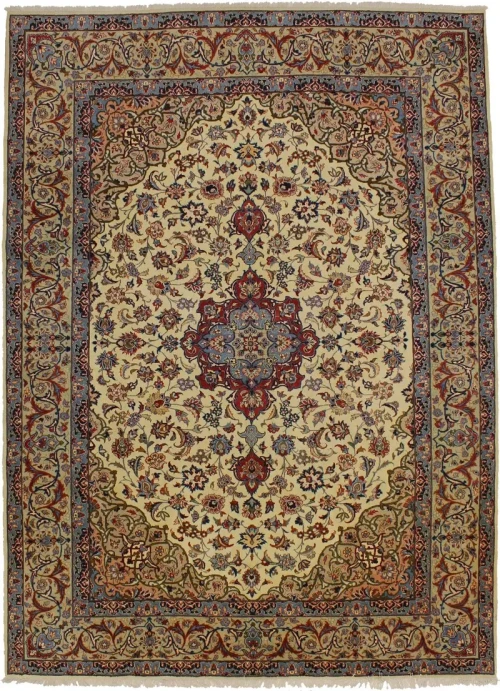
Beige, cream, taupe, camel, brown, and warm gray rugs can bring a timeless appeal and cozy environment that complements every decor during the fall and winter season.
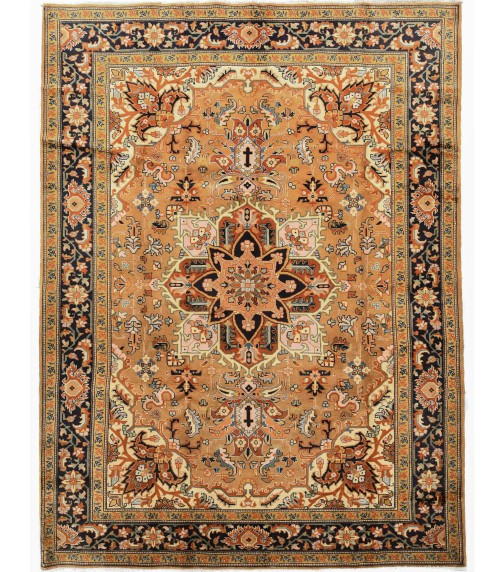
Rust, terracotta, burnt orange, olive, deep green, and mustard are great ways to add a touch of fall indoors to your home, without making it look overly seasonal.
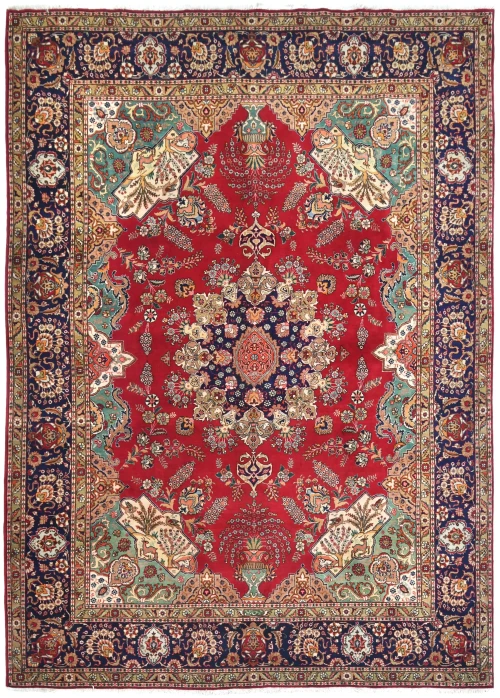
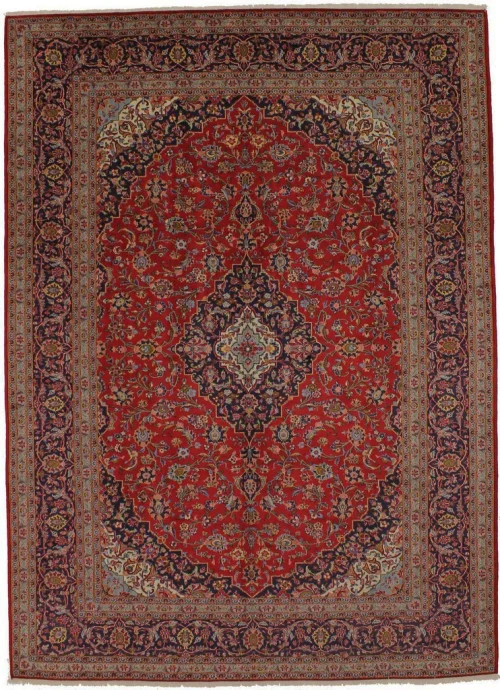
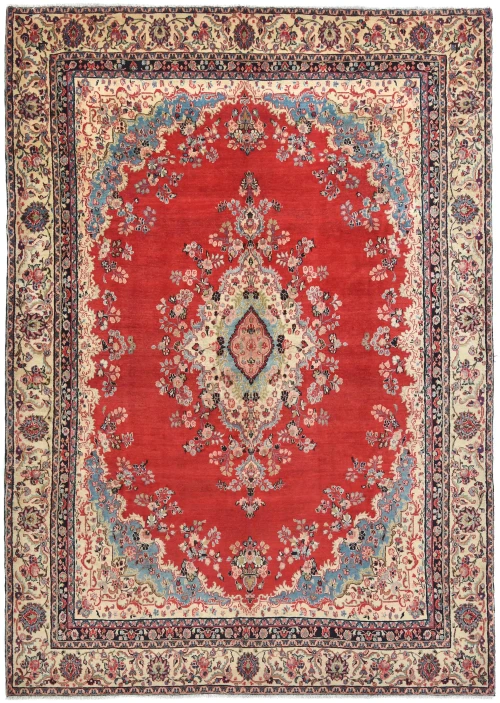
Burgundy, navy, charcoal, forest green, and deep brown are all great options for rugs designed to be used throughout the year, giving a luxurious and calm winter feel.
No, the rug should complement your seasonal decor rather than blending with it exactly. A practical rug helps you update other decor items that go well with the rest of the room without changing the entire look.
To ensure comfort and coziness during the fall and winter season and make your home feel more welcoming, choose a rug that covers the maximum floor.
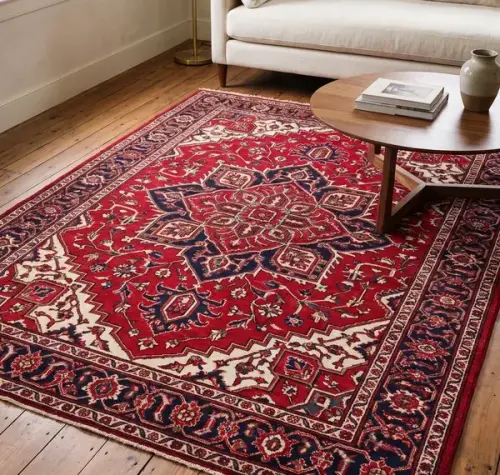
Opt for a large rug for the living room as it covers most of the cold floor, giving a warm and comforting feel during the fall and winter season.
Make sure that the bedroom rug extends out from the bed on all sides since you want to get a subtle, warm surface when you step onto the cold floor during a chilly morning in winter.
Use a long-lasting, easy-to-clean runner rug in narrow and connected spaces like entryways and hallways, which protects the floor from snow, moisture, dirt, and footprints coming indoors during the fall and winter seasons.
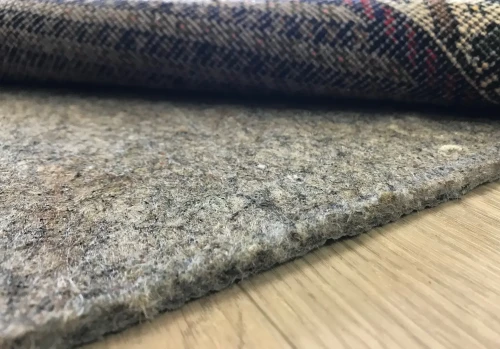
A rug pad can add more warmth, comfort, cushioning, and support to the rug during fall and winter, and it works as a barrier between bare feet and the cold floor. The rug pad also prevents the rug from slipping, especially on tiles and bare floors.
A good quality pad enhances the comfort level and adds more cushioning to a rug by making the cold floors feel softer and more relaxing underfoot.
A rug during winter faces issues like snow, moisture, and footprints, which make the rug slippery and cause rugs to shift. Using a rug pad, especially during winter, is very helpful.
Choose a rug pad with the right amount of cushioning to ensure maximum comfort without risking or blocking the doors, furniture, or the rug’s appearance. Not every thick rug pad means better quality and hold.
The selection of a rug pad should depend on the floor and room rather than simply choosing the thickest option.
Yes, a rug pad can also make a rug feel warmer by providing an additional warm layer between the rug and the floor, making it more comfortable during the winter season.
Layering rugs is a great way to add texture, visual appeal, and warmth to a room without replacing your old rug. Place a layer of a small textured or patterned rug onto a larger neutral one to achieve a comfortable seasonal look during the fall and winter season.
Layering goes well in reading corners, bedrooms, and living rooms, adding comfort to these spaces. While layering your bottom rug should be simple enough if your top rug is patterned or can be reversed for a cozier effect.
For more, read the Rug Layering guide.
Choosing a winter rug depending only on thickness, color, or look can be an impractical purchase. Before choosing a rug for the fall and winter seasons, make sure to think about how it will go with your furniture, flooring, traffic, and daily routine.
A thick rug can provide extra cushioning and coziness to a space, but it can be difficult to clean and not the best option to place under heavy furniture or near doorways. The selection depends on the room function and amount of traffic it receives.
Choosing a beautiful rug may not be the best option for a busy home. Go for a rug that suits children, pets, foot traffic, spills, and maintenance routine.
A rug that is too small can make your furniture look unanchored. Always take proper measurements of your room before buying a rug.
If you have hard floors, you may benefit from a cushioned rug and pad underneath. Choose according to your existing floor.
Make sure to follow this checklist while shopping for a rug for the fall and winter season:
Properly take measurements of the room and furniture.
Use large and runner rugs for chilly winters.
Opt for the material that suits well with your personal style.
Determine the right pile height according to the foot traffic.
Go for warm, earthy, and versatile shades.
Check the cleaning and care requirements.
Choose a rug pad that fits well under the rug.
Go for the construction and quality that work well in the fall and winter season.
Make sure to select the rug that complements the fall decor.
The most suitable rug for fall and winter is the one that fits your lifestyle rather than looks cozy. When choosing a rug, focus on the materials, pile height, size, color, flooring, traffic, and care requirements.
A plush bedroom rug may be a better choice for you than a thinner, higher-traffic one, and a durable medium-pile rug may be right for your comfort, but a long-lasting medium-pile rug may work better in a high-traffic living room.
If you want to buy a rug for fall or winter that is stylish, comforting, and high-quality, then you can visit and explore the Magic Rugs collection for the best rugs, well-designed from various materials, in different sizes, patterns, and styles for every season, and some rugs can be used throughout the year.
You can choose the appropriate rug for your home to make it warmer, cozier, and inviting during the colder season.
Wool is the best rug material for fall and winter as it provides exceptional warmth, softness, durability, and a cushioned feel underfoot.
Medium and high pile rugs are the best to get a cozier feel, while low pile rugs are more practical for high-traffic areas and are easy to maintain.
Not importantly. Factors like a rug’s construction, material, fiber, density, and a rug pad can impact the warmth as much as pile height does.
Rust, terracotta, brown, mustard, olive, and warm neutrals go well during fall, providing a warm and welcoming feel.
Deep green, navy, burgundy, charcoal, brown, and warm ivory are all great options for winter, adding depth and a cozy feel to winter decor.
An appropriate option for a cold floor is a dense wool or plush rug combined with a good-quality rug pad to ensure extra cushioning, warmth, and a more comfortable feel on a cold, hard floor.
Yes, a rug pad can give more support, warmth, and comfort to a rug, while adding an extra layer between your rug and the floor.
Yes Absolutely. A practical wool or patterned rug in neutral or warm shades can be used during the fall and winter season. For a refreshed look, you can update the decor by adding complementary pillows and throws.
Rug Guide
Rug Guide
Rug Guide