0 Items In Cart
No products in the cart.
Your privacy
Choose which cookies we can use. Your choice is saved for 12 months, and you can change it at any time from Cookie Settings in the footer. Read our Cookie Policy.
Needed for the site to work, such as your cart, checkout and account sign in. These cannot be switched off.
Remember your choices, such as your wishlist and recently viewed rugs, so the site feels personal.
Help us understand how visitors use the site so we can improve it. The data is collected in aggregate.
Used by our advertising partners to show you relevant Magic Rugs ads on other sites.
Table of Contents
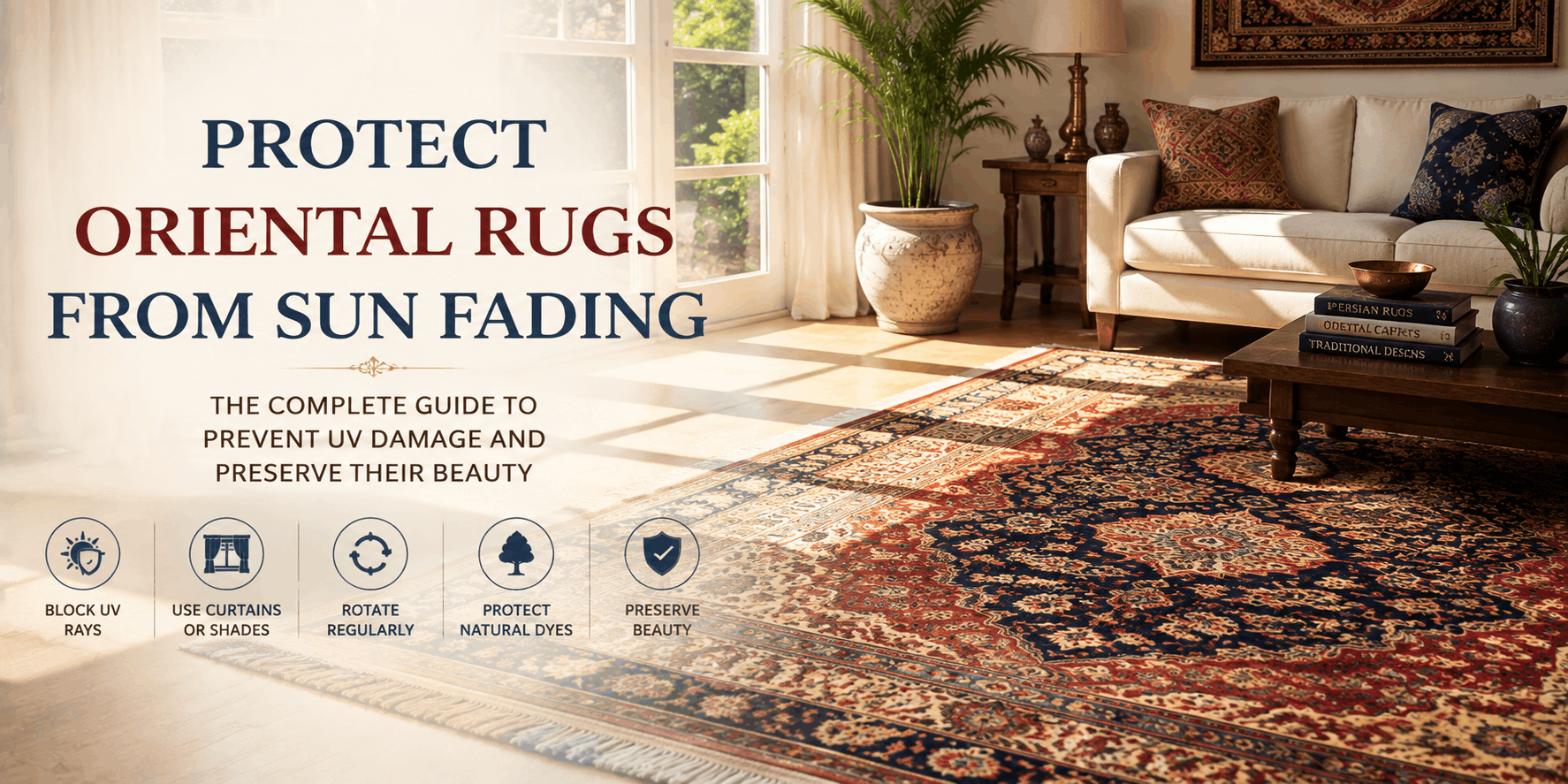
Protecting Oriental rugs from direct sun exposure and fading is crucial to maintain their beauty, quality and value. UV rays cause damage such as color loss, dryness, and weakening of sensitive rug fibers.
To prevent the damage, the best ways are to reduce direct sun exposure, take precautions like rotating the rugs regularly, blocking UV rays that the sun emits, and placing the rug in less sun-exposed areas.
Sun exposure damages many types of Oriental rugs. However, it particularly affects the value of handmade rugs such as Persian, Turkish, Afghan, and other antique Oriental rugs. Understanding the effect of sunlight on your rug makes your investment valuable.
This guide helps you understand the damage UV rays cause to the rug, such as signs of sun exposure, and the rugs that are most vulnerable, as well as provide information that helps to keep your rugs fresh and durable.
Quick Prevention Tips
Direct sunlight damages and makes the sensitive rug fibers weak.
Oriental handmade rugs generally need more sun protection than other machine-made rugs.
Regularly rotate your rug to prevent color fading.
Using window shades and UV-ray-blocking curtains are perfect solutions.
Proper professional cleaning and inspection of rugs help identify UV damage on time.
Oriental rugs fade due to direct sunlight, causing permanent color loss and weakening their structural strength, which also damages the natural dyes and sensitive fibers of the rug.
In contrast to your regular everyday rugs, Oriental rugs are made from best-quality materials such as wool, silk, and natural vegetable dyes. These materials are traditionally used to create beautiful patterns, but are sensitive to excessive sun exposure.
UV rays loosen the silk and wool fibers and affect their structural integrity. Over time, the rug fibers become dry, sensitive and less flexible.
UV rays also damage wool fibers and break down their natural color, causing irreversible color loss in the rugs. This type of fading is so gradual that homeowners may not even notice it until it becomes extreme.
Compared to indoor lighting, natural sunlight contains more UV rays that damage the rug design and its fibers. While regular indoor lights have no UV effect, some fluorescent bulbs do.
Therefore, most modern rugs fade because of direct natural sunlight rather than Artificial UV exposure.
The handmade Oriental rugs obtain dark, vibrant colors from natural vegetable dyes. Due to direct sunlight, these dyes may fade faster than other dyes.
The natural fibers and hand-knotted weaving of Oriental rugs may cause them to react differently to sun exposure than machine-made rugs.
These machine-made rugs are made using synthetic fibers that have better color resistance and fade less, lacking the same quality and durability as Oriental rugs.
Sun fading is harmful as it not only damages the rugs but also creates issues beyond irreversible color loss. Continuous direct UV exposure harms the overall rug's structure, quality, comfort and design, as well as lowers its long-term value.
Drying out of natural fibers can diminish their strength, loosen the fibers and make the most exposed areas more vulnerable to wear.
Fibers in wool have a natural coating of oils which keep them soft and flexible. UV exposure removes this coating, and the fibers become dry and fragile.
Over time, rugs placed in direct sunlight cause early wear and become less durable. A handmade Oriental rug with proper care and protection lasts for generations.
Rugs that have original colors and good fiber strength are more valuable and in demand. Direct sun exposure fades the original color of the rug and makes it less valuable to buyers and collectors.
Sunlight does not reach every area of a room, due to furniture and decor, rugs get less sun exposure. Rugs that get more sunlight develop discoloration, while the rest of the rug will retain its original color.
Note: UV damage cannot be reversed. The original color and fibers of the rug get damaged because of direct sun exposure and cannot be fully restored, even with the best rug restoration services.
Silk, vintage, and naturally vegetable-dyed Oriental rugs are most vulnerable due to UV damage. Because of their different weaving styles, some become more vulnerable to sun exposure and fade faster than others. However, all handmade Oriental rugs benefit from UV protection.
Rug Type | Fade Resistance | UV Sensitivity | Care Requirement |
Persian rugs
| Moderate | Medium | Do not place the rug in direct sunlight. |
Turkish rugs
| Good | Medium | Rotate regularly. |
Afghan rugs
| Moderate | Medium | Do not place the rug near a window. |
Silk rugs
| Low | High | Need extra protection. |
Wool rugs
| Good | Moderate | Maintain humidity. |
Vegetable-dyed rugs
| Moderate | Medium-High | Use UV protection films and window shades. |
Antique rugs
| Low | High | Need professional care. |
Vintage rugs | Moderate | Medium | Need regular inspection. |
The first signs of fading are color-fading and uneven patches in some parts of the rug, which weaken its fibers and diminish color vibrancy. Identifying these signs early is important to reduce sun exposure, and it also prevents further fading and permanent UV damage.
Without sunlight, colors stay bright and vibrant, but with direct sunlight, colors become dull, light or look washed out.
Rugs placed near windows fade more than those placed away from them, causing uneven fading and creating differences in color quality.
Continuous sunlight breaks down sunlight-absorbent proteins in silk and wool materials, leaving them dry, damaged and less flexible.
Over time, intricate designs look a little duller and less vibrant. But with color loss, contrast lessens and ruins the patterns.
Rug color transfer changes its appearance, making it look uneven as decor and furniture block sunlight in some areas. Cleaning causes color loss from sun damage to be more noticeable as dirt and dust build up in less sun-exposed areas.
Staying consistent and minimizing sun exposure are keys to preventing the rugs from sun fading. Other things like regular sunlight blocking and rotating the rug can keep the quality of the rug intact for years.
A good window covering blocks about 99% of UV rays, but sunlight still comes in. Using UV-blocking window shades is good if the window is large, but if the window is smaller, a good quality DIY option can be used.
The best way to block sunlight is to create a barrier between rugs and the sun. Use UV-blocking window curtains to prevent direct sun exposure to reduce damage and keep your room airy and light.
For proper daily protection, use Blackout curtains. Blackout curtains are best to provide complete sun protection.
The best way to minimize sun damage is to rotate your rug regularly. This helps distribute sun exposure more evenly across the entire rug, preventing one area from fading faster than the rest. It's also beneficial to occasionally rotate low-traffic areas into higher-traffic zones so the rug wears more evenly over time.
A 180-degree rotation of the rug placed around the area getting sunlight is very helpful for even wear.
Avoid placing a rug around south-facing windows, glass doors, or Skylights. Those areas receive direct sunlight for many hours daily. To avoid sunlight, you can also use the curtains and rotate the rugs evenly.
Using sheer curtains on the window helps to reduce sun damage and keep the room light and airy. These curtains can’t block UV rays as much as blackouts do. Sheer curtains are great for living rooms where natural sunlight is required.
Modern window treatments like solar screens and window shades provide better UV protection than older ones. Modern treatments are beneficial for homes that have large or floor-to-ceiling windows.
Professionally applied window treatments not only look better but also are great for investment, as they are long-lasting too.
Rearranging or moving furniture and changing the side of the rug that is exposed to the most sunlight helps lessen shadow lines and drastic color discoloration.
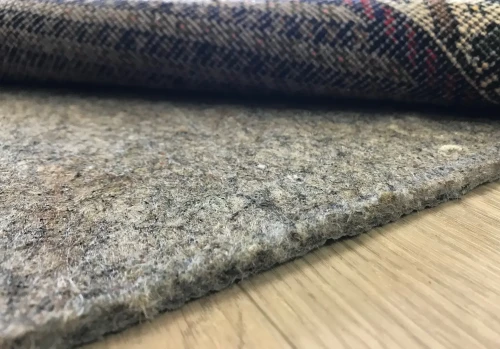
The lack of balance in rugs can be maintained with some minor changes. But to protect the rugs from shadow lines and discoloration, you should use a good-quality rug pad.
Although a rug pad does not block UV rays directly, it offers indirect protection by reducing the UV effect and also helps to improve airflow under the rug. This helps to maintain the rug’s quality and life.
To prevent sun damage, keep the indoor humidity around 40% and 55%, especially during summer and winter when the HVAC system impacts moisture more.
Dust and dirt make the sun-damaged rug fibers weaker. Regular vacuuming and taking professional rug cleaning services from time to time help maintain the rug’s natural beauty. You should vacuum the rug weekly and schedule a professional washing every 3 to 5 years.
Rug professionals easily identify early signs of UV damage and provide the opportunity to avoid costly repairs. An ideal way to inspect a handmade rug is every two to three times a year, to check for early signs of damage that might worsen over time.
Here is the season-wise list you should follow to protect your rug:
Season | Oriental Rug Protection Steps |
Summer | Go for window curtains, UV-blocking shades, and regularly rotate rugs. |
Winter | Maintain 40%-55% of humidity to protect rug fibers from drying. |
Spring | Properly check the rug to prevent color fading and clean dust tracked into fibers |
Fall | Move furniture and prepare rugs for indoor heating. |
To prevent your Oriental rugs from fading is to limit direct UV exposure, maintain proper indoor conditions, and take proper routine care. Things like using UV window treatments, rotating rugs and taking professional cleaning services also help prevent sun fading and extend the life of the rug.
To protect rugs from UV rays, rotate rugs evenly.
Protect rugs from direct sunlight, place the rugs away from the window and prevent sun fading.
Keep window curtains closed or use UV-blocking films during peak sunlight hours.
Maintain humidity levels between 40% and 55%.
Book regular professional cleaning services and inspections.
Going for ideal window treatments helps reduce direct sun exposure and keep indoor conditions managed and comfortable. UV-protection window treatments are best for living rooms with brighter lighting.
Window Treatment | UV Protection Level | Placement |
UV Window Film | Excellent | Around large windows and glass doors. |
Cellular Shades | Very Good | Place where you have energy-based protection. |
Roller Shades | Good | Place around modern interiors. |
Blackout Curtains | Excellent | Place in dark rooms |
Sheer Curtains | Moderate | Place the rug where you need softer light than bright light. |
To protect natural handmade Oriental rugs, using UV protection sprays is not a great or recommended option. The best way to protect from UV damage is to use proper window treatments and environmental control, which is definitely a safer choice.
There are some UV sprays that you can use to reduce sun fading. You can apply those sprays to put a protective coating over the fibers, they work best on synthetic rugs and certain types of dye used in an Oriental rug.
But the protection truly depends on the materials used for your particular rug as well as how much sun exposure it gets. These UV sprays only give temporary protection, and you cannot use them as an alternative to control sunlight like curtains or UV-blocking window films completely do.
However, UV sprays may not be a safer option for fine and sensitive Oriental rugs, as some chemicals may fade, change, or lose color from natural dyes, or even the natural rug fibres become increasingly brittle, particularly if a rug is made with silk.
Be particularly careful with antique, silk, and vegetable-dyed rugs, using any chemical treatments can change their appearance.
Most rug experts advise avoiding chemical coatings on handmade rugs for sun protection.
Treatments like using window shades, regularly rotating rugs, and correct placement of rugs allow long-term sun protection and protect natural fibers in rugs more safely.
Do not use sprays to protect handmade Oriental rugs like vintage, silk, or vegetable-dyed rugs from UV damage. If using, then make sure to get the treatment approved by professionals to prevent any stains, discoloration or fiber damage.
Yes, you can professionally restore sun-faded Oriental rugs, but after UV damage, getting the same original color entirely back is rare or mostly impossible. It is always better to protect on time than to try to restore color later.
Using professional color-matching techniques for rug restoration helps blend damaged, faded or discolored areas with the original design.
This is an experience-oriented process since handmade rug colors come in different complicated natural dyes and distinct varieties of color.
Color re-dyeing improves the visual appeal of faded rugs by renewing lost color intensity and replenishing their original color, retaining the original design.
The skilled weavers replicate current shades to keep the restoration from looking artificial.
Direct sun exposure makes rug fibers very weak, experts fix that damage caused to sensitive areas to avoid further harm.
Professionals repair worn areas, make the base strong, and prevent further structural damage.
Because UV rays fade and permanently turn the natural dye pigments in colorants, it is impossible to restore original tones exactly. The outcome ultimately depends on the age of the rug, material and quality of dye, and sun exposure.
When the rug fades due to direct sun exposure, its fibers become dry or weak, and rug restoration costs more than its purchase value, then replacing the rug is the better option.
The restoration or replacement can be assessed by the rug's age, material, dye quality and level of UV exposure it has faced.
Learn to restore your oriental rugs from sun fading
Oriental rug protection depends on seasonal changes, such as UV exposure, indoor humidity, and different environmental impacts that harm rug fibers in different ways throughout the year.
Summer sunlight is very strong and remains throughout the day, which increases the risk of UV damage and color fading. You can minimize the effect of sunlight using window curtains, UV-blocking shades, and rotating rugs regularly.
Indoor heating causes heavy moisture loss in rug fibers by reducing humidity, making wool and silk rug fibers weak and dry. Keeping humidity in balance and avoiding rug placement near heating vents or fireplaces helps to protect their fibers from being dry and dehydrated.
Homes at higher altitudes get more UV rays than others, which makes rugs more harmful to fading. Use extra window protection and check rugs frequently for early damage.
Natural fibers absorb more moisture and dirt. The coastal area's climate has high moisture, which is not suitable for natural handmade Oriental rugs. Regular cleaning and proper air reduce dirt buildup and maintain rug quality and look.
Low humidity and strong sunlight increase the risk of rug fibers drying and fading. To protect handmade rugs from harsh environmental impact, combine window treatments with humidity control.
Oriental rugs usually need extra care in bright rooms as direct natural light increases UV exposure and color fading. Proper window treatment and correct rug placement help to retain colors.
Living rooms get so much sun and traffic, it is important to rotate rugs frequently and maintain proper UV protection. Always close window curtains and use UV films in peak sunlight hours to avoid fading.
Sunrooms also get sunlight throughout the day, which makes some of the areas risky for handmade and valuable rugs. Do not place antique, silk and other very valuable Oriental rugs in direct sunlight-exposed areas.
While bedrooms have less foot traffic, they deal with window fading. To keep rugs away from morning sunlight, use light-filtering curtains in windows and UV-ray-blocking shades.
Dining rooms usually have large windows, allowing rugs placed nearby to receive direct sunlight throughout the day. Regularly moving your furniture and keeping the window shades closed help prevent shadow lines and uneven fading.
Rugs placed around glass doors and entryways are more exposed to direct sunlight and different temperatures. Place your rugs in less exposed areas and use protective window treatments.
Inappropriate placement & techniques, wrong product selection, and unprotected rugs are the most common care mistakes you must avoid. These mistakes cause sun damage to a handmade rug that cannot be entirely reversed, fade natural dyes and weaken its fibers.
Leaving Oriental rugs in direct UV exposure areas for years causes more color fading and weakens their natural fibers.
Not rotating your rugs regularly causes one side to fade more than the other because the same area is continuously exposed to direct sunlight and heavy foot traffic.
Direct sunlight coming through glass doors is more intense, increasing UV exposure and the risk of UV damage or discoloration.
Using bleach or chemical-based cleaning products damages natural dyes, weakens sensitive rug fibers, and causes irreversible fading or color loss, which changes the original quality and appearance.
Improper steam cleaning can be very harsh on handmade Oriental rugs, causing color bleeding, damage from moisture, and damage to their fibers.
If you dry the rugs excessively, it will remove natural moisture from natural fibers over time and make wool or silk rugs weak.
Dry indoor conditions make rug fibers weaker, and sun damage and the aging process become faster.
Here is the maintenance checklist that helps protect your Oriental rugs from fading, staining, fiber weakening and daily wear. You can follow this rug maintenance checklist to increase your rug's life and beauty.
Properly remove dirt and stains daily, and instantly blot spills before they get permanent.
Vacuuming rugs every week helps remove dust without damaging their sensitive fibers or fringes.
Check your rug monthly to prevent Color fading, dryness, staining, or uneven wear and tear.
For seasonal care, rotate the rug every 6-12 months, use curtains and go for window treatments to prevent sun damage and uneven fading.
Get professional inspection and deep cleaning services yearly to put a protective layer for sun damage that helps restore the aesthetic of the handmade oriental rug.
Read the Oriental Rug Care and Maintenance guide
Preventing handmade Oriental rugs from sun fading involves prevention, protection, regular care, and correct placement. The UV protection involves humidity control, rug rotation and professional cleaning to keep them looking great for many years to come.
Key Takeaways
At Magic Rugs , each Oriental rug tells a story, and you can find the natural handmade rugs to add style and timeless beauty to your home. But with proper care and expert help, your rug quality remains preserved, making it more valuable and long-lasting for years.
Visit Magic Rugs to buy handmade Oriental rugs and to know if it's worth investing in them.
Yes, natural dyes can be permanently damaged by direct sun exposure to UV rays, and wool or silk fibers become weaker over time in UV light. This early protection is necessary to prevent irreversible fading as well as any structural damage.
Rug color fading usually depends on how intense sun rays are, the quality of color, and exposure time. Direct sunlight can damage a rug within 3 months, or, in some cases, it takes several years.
Some areas of rugs become discolored and permanently lose color, you can enhance their original quality with professional rug restoration. However, severe sun damage rarely gets the original colors back.
You should rotate your Oriental rugs every 6-12 months to prevent direct sun exposure and uneven wear only on one area. In bright rooms, rugs may need to be rotated more frequently to prevent even fading.
While using well-sized window glass blocks can control some UV rays, it is not enough to protect your rug from sun damage. For better protection against fading, consider using additional solutions such as UV-blocking window film or curtains.
Yes, it is safe to use UV-blocking shades that help to reduce direct sunlight. They protect antique rugs from sun exposure without impacting their sensitive fibers and natural dyes.
Yes, silk rugs face more sun damage as they are made of sensitive fibers and natural dyes and also need more sun protection than wool rugs.
Yes, professional cleaning helps remove dirt and make the rug look fresh and new, but it does not entirely restore faded colors. Restoration services help to make the faded areas look good.
Rug Guide
Rug Care
Rug Care