0 Items In Cart
No products in the cart.
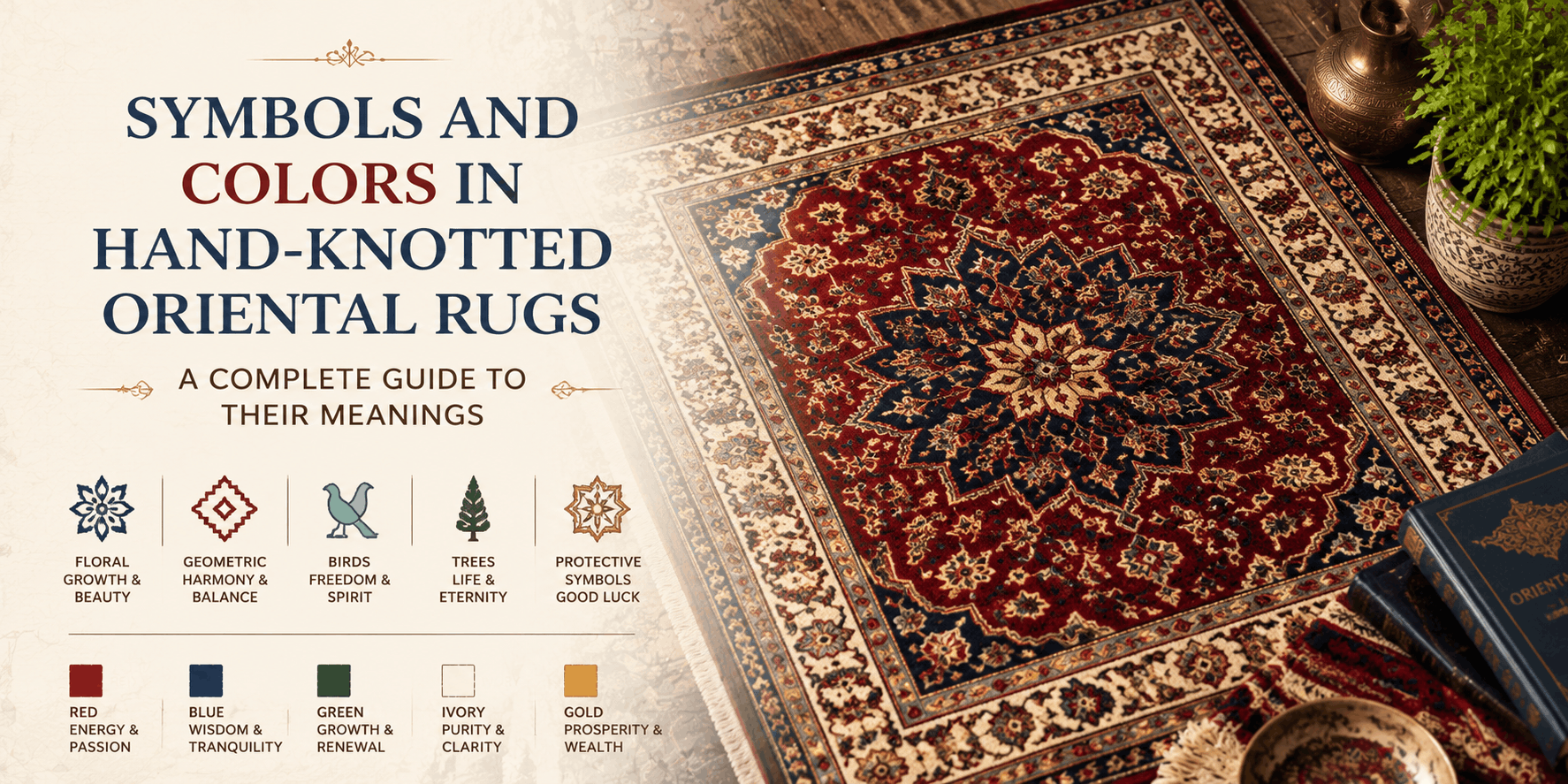
Table of Contents
Hand-Knotted Oriental rugs use symbols, colors, and patterns to preserve stories that tell about culture and beliefs, family customs, or daily life. Each symbol has some purpose behind its weaving. These handmade rugs are more than just a floor covering, they are the symbol of lasting cultural tradition, skilled art, and history.
Decades before written information became common and a luxury. Skilled weavers used to present their thoughts and ideas through symbols rather than simple words. These symbols have their own unique meaning and become a new way of showing innovations and ideas.
Many regional weavers made their own motifs to present ideas like protection, wealth, fertility, bravery, spirituality, and nature. They also used different colors that have great importance and meaning, each color has been picked carefully to showcase unique emotions, convictions, or cultural traditions.
Nowadays, having knowledge of these symbols helps you to see more than a rug's design and look. No matter which rug you are purchasing or the purpose of buying that rug, whether a Persian rug, furnishing your home, or wanting to invest in a handmade Oriental rug.
This guide discusses the actual meaning behind the symbols and traditional designs of Handmade Oriental rugs. These rugs have a hidden, important meaning behind the different motifs and colors used in them, this also highlights their reliability, craftsmanship, and cultural importance.
Key Highlights:
These traditional handmade oriental rugs use symbols and colors to imply faith, traditions, wealth, safety and nature.
The meanings of different symbols are based on Persian, Turkish, Caucasian, Afghan, Turkmen, and Kurdish weaving styles.
Natural dyes add vibrant color, depth, reliability and durable beauty to handwoven rugs.
Traditional symbols tell a unique story associated with history and art.
Having knowledge of Oriental rug symbols makes your search for a genuine rug easier, you can opt for a rug confidently.
Oriental rug symbols show factors like protection, prosperity, love, fertility, spirituality, courage, and nature. Centuries ago, when written records became common, timeless motifs helped weavers preserve and pass down stories and cultural ideas.
Each handmade piece of an Oriental rug works as a record of its region and tradition.
Rug weaving has been a functional craft for centuries. Some families passed down their traditional symbols to their generations, which shows history in each knot of a rug. Nowadays, these signs help to differentiate real handmade Oriental rugs from completely decorative copies.
For centuries, important life events were recorded by rug patterns. These symbols reflect the concepts related to marriage, birth, success, good harvests, family history, and future hopes, so they have been popular and historical for centuries.
Many Oriental rug patterns were inspired by belief, prayer niches, gardens, the Tree of Life and flower motifs, which usually represent paradise, peace, devotion and spiritual protection.
Oriental rugs usually have motifs like trees, flowers, birds, rivers, mountains and animals on them. These motifs show the relation of life with nature, growth, balance and wealth all around the rug.
Traditional weavers had a belief that these motifs were safeguarding their home from any mishap. The evil eyes, stars, hook borders, and geometric motifs were symbols of safety and good fortune.
In Every Oriental Rug? In every Oriental rug, the symbols must be the same but have different meanings, based on its region, where it was made.
Persian, Turkish, Caucasian, Afghan, Turkmen, and Kurdish weavers each had their own traditions, but a similar motif gave different ideas across the various regions of the world.
When you learn more about these regional motifs, they reveal a story behind that rug, which helps you know more about its history and origin.
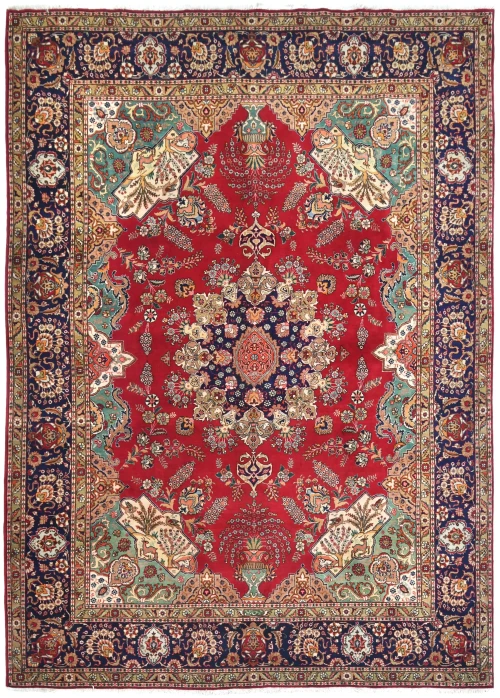
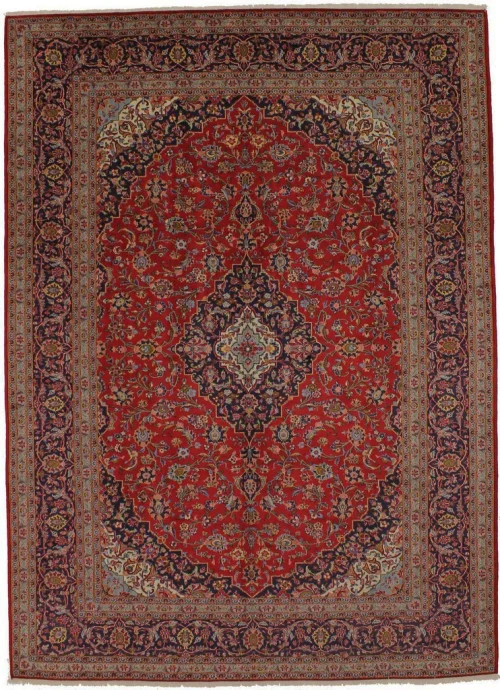
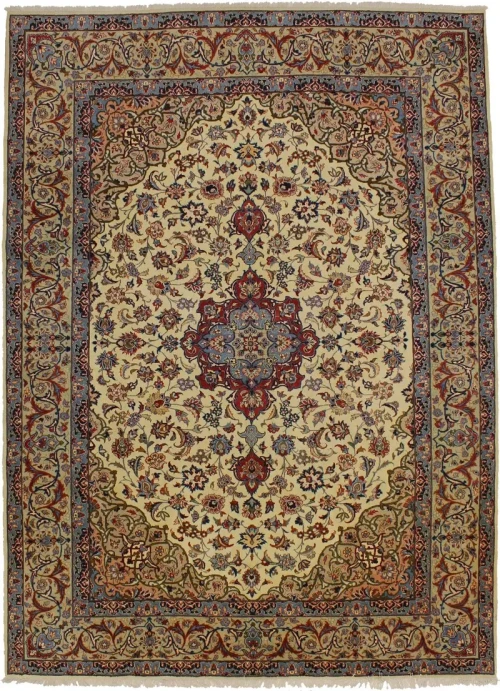
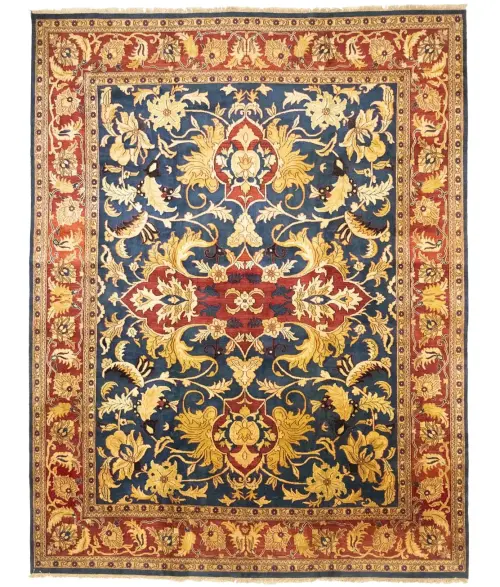
Persian rugs consist of common motifs such as the Tree of Life, flowers, birds, and graceful central medallions. These motifs often represent paradise, wealth, intelligence and immortality.
Ram's horns, tulips, and safety-related motifs that show courage, marriage, fertility, and family blessings are usually used in Turkish rugs.
In Caucasian rugs, stars, diamonds, crosses, and stylized animals are mostly included. These motifs present on Caucasian rugs usually reflect courage, joy, safety, and tribal identity.
Geometric Patterns and Guls are regular tribal motifs that usually depict unity, power, and the cultural tradition of tribal regions.
Kurdish rugs include floral, geometric, and animal motifs that show family history, rural way of living and a rich connection with nature
These are some symbols found on Oriental rugs, and they generally have universal significance, such as life, protection, wealth, bravery, joy, beauty and growth.
The symbols depend on the region, these cultural symbols were meaningful decades ago and always define handmade Oriental rugs as genuine.
Symbol | Meaning | Common Region |
Tree of Life | Eternal life | Persian |
Boteh | Growth, renewal | Persian |
Ram's Horn | Strength | Turkish |
Eye | Protection | Tribal |
Star | Happiness | Caucasian |
Diamond | Womanhood | Tribal |
Flower | Paradise | Persian |
Cypress | Immortality | Persian |
Bird | Freedom | Many Regions |
Fish | Prosperity | Persian |
Pomegranate | Fertility | Persian |
Lion | Power | Persian |
Camel | Wealth | Tribal |
Peacock | Beauty | Persian |
Pheonix | Rebirth | Persian |
Hands | Blessings | Tribal |
Water | Life | Tribal |
Sun | Energy | Caucasian |
Different colors in Oriental rugs symbolize emotions, beliefs, prosperity, spirituality and nature. Long years ago, these colors were traditionally obtained by weavers using vegetable dyes and natural dyes to provide each handmade rug with symbolic meaning and long-lasting beauty.
Color | Traditional Meaning |
Red | Courage, joy, wealth |
Blue | Spirituality, heaven |
Ivory | Purity |
Green | Paradise |
Yellow | Power, sunlight |
Gold | Wealth |
Brown | Earth |
Black | Safety |
Orange | Warmth |
Pink | Joy |
Purple | Royalty |
Gray | Wisdom |
Natural dyes give the symbols of Oriental rugs more meaning by adding rich, durable colors that show classic craftsmanship. Though the dyes of these rugs are obtained from plants, roots, insects, and minerals, they create a unique range of colors that give each rug a different character and reliability.
Over time, traditional weavers have opted for natural materials, according to the demands of locals. These dyes produced lovely patinas that improved the rug's look and value.
Common Natural Dyes Sources are:
Madder Root: Deep reds representing wealth and festivities.
Indigo: Deep blues representing calmness and spirituality.
Walnut Husk: Earthy browns show patience.
Pomegranate Rind: Warm yellow tones depicting prosperity.
Saffron: A golden color depicting richness.
Cochineal: Exceptional crimson reds symbolize courage and joy.
Weld: Bright yellow hues represent strength.
Onion skins: Soft brownish- yellow and golden tones add warmth.
Many Scientific reports show that many of these historic Oriental rugs and these natural dyes are still preserved after decades, showing their lasting quality when properly taken care of.
Persian rugs are a combination of different symbols, each having deep, unique meanings and stories behind them rather than just being motifs.
They present ideas such as immortality, balance, prosperity, and natural beauty while showcasing the exceptional craftsmanship of the weaver.
The popular symbols are:
Depicts immortality, hope, and spiritual freedom. This brings the idea of everlasting life, hope, peace, and spiritual freedom.
The elegant floral design combines heaven, beauty, and balance into one beautiful design.
They depict constant development, immortality, and lifestyle.
Stand for development, prosperity, and the endless continuous life cycle.
Highlight the peace and heavenly perspective of the region.
Combining strength with beauty to enjoy balance in nature, power and grace.
Rug symbols vary by origin, as each weaving area has its own tradition, belief, art, and history. Though many unique motifs are found in different Oriental rugs, their patterns and meanings usually depict the local culture, making these regional symbols an indicator of their origin.
Understanding local traditional motifs helps to know more about the history of a handmade rug in detail. Since not a single symbol clearly defines where a rug was made, a group of historic designs usually tells about a particular weaving culture.
Rug Origin | Common Symbols |
Persian | Tree of Life, Boteh, Flowers |
Turkish | Ram's Horn, Tulips |
Caucasian | Stars, Eagles |
Afghan | Geometric Motifs, Elephants |
Kurdish | Diamonds |
Baluchi | Prayer Niches |
Caucasian, Tribal | Sun |
Persian and Tribal | Water |
Oriental rugs include several symbols that are all inspired by religion and tradition, these rugs represent trust, paradise, protection, and designs related to daily life.
These cultural traditions change a handmade rug into a meaningful piece of art, keeping the trust of their weaving tribes alive.
The common floral and geometrical patterns were influenced by Islamic art and mosque beauty. Whereas animals, landscapes, and family motifs were woven into the rug by nomadic tribes.
Let's discuss them in detail:
Floral motifs, intricate, and geometric designs are very popular as they convey the elegance and spirituality followed by artistic traditions.
Prayer rugs usually include a worship niche, which not only provides direction but also gives a reminder of spirituality and the importance of prayers, which helps them to be more functional and purposeful.
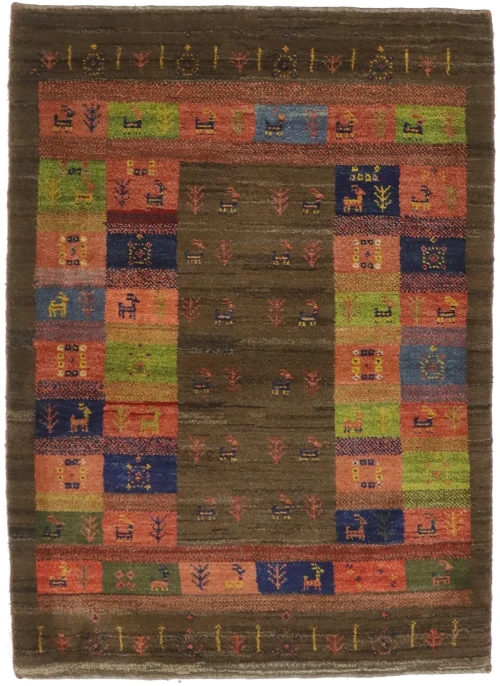
Their motifs of animals, the mountains and rivers, and village life scenes show the daily experiences of tribal weavers and their close connection with nature.
Motifs related to the garden depict the beauty and balance of heaven through flowers, trees, and water. These symbols represent prosperity, peace, and a close relationship between nature and the divine.
Usually made from running geometric or floral patterns, mosque rugs are designed to create a common area for prayer. Their design provides a common and visually balanced praying area.
These village symbols depict handmade motifs that are well inspired by rural culture, like farming, nature, or family traditions of that area. These personal designs add a cultural feature to the rug.
Royal workshops designed intricate handmade rugs featuring motifs such as floral patterns and central medallions, with some rich natural dyes. Their art helped Oriental rugs become the world's best handmade fabrics.
Animal symbols convey features praised by traditional weavers that involve motifs like power, liberty, abundance, wisdom and peace. The designs add movement and stories to beautiful handmade Oriental rugs, depicting the relationship between humanity & nature.
Animal | Symbols |
Lion | Strength, Courage |
Bird | Freedom, Peace |
Peacock | Beauty, Dignity |
Fish | Prosperity |
Camel | Endurance, Wealth |
Deer | Peace, Gentleness |
Horse | Nobility, Loyalty |
Phoenix | Rebirth |
Dragon | Power, Wisdom |
Each animal-based symbol has its own Story. Lions are a symbol of courage and leadership, while birds symbolize aspiration and liberty. The significance of each animal is determined by the weaving tradition as well as the other surrounding motifs.
The floral motifs are related to beauty, growth, renewal, abundance, and paradise. They are some of the most common features in Oriental rugs; they create a connection between artistic sophistication and detailed cultural symbolism.
Here is a list of the most common floral motifs:
The lotus is a symbol of spiritual development, everlasting purity, and a fresh start in many classic designs.
Roses are related with beauty and love, while tulips represent devotion, renewal, and faith.
Vines symbolize constant growth, cypress trees symbolize immortality, while pomegranates represent fertility and abundance.
The leaf motifs show development and a constant life cycle. The weavers also have a connection with nature and its different seasons.
Garden patterns represent heaven, which shows unity, wealth, and never-ending beauty. Usually, these compositions feature a simple design of flowers, often trees and flowing water, and create a balance among each other.
Geometric symbols in handmade tribal rugs have important cultural meaning. Due to their simple shapes, they present ideas like protection, family, power and belonging through strong repeated patterns.
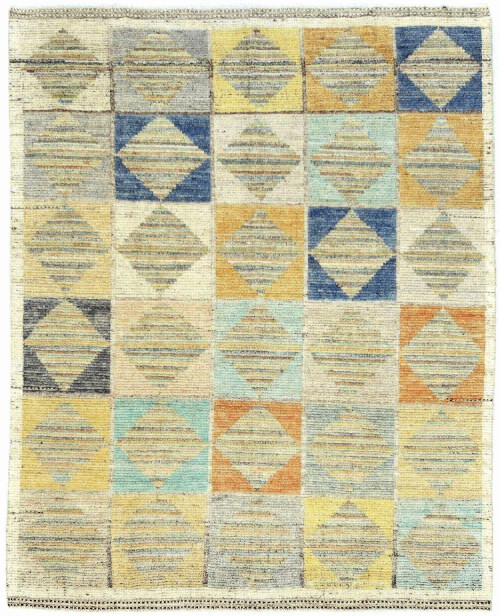
Diamonds are a symbol of feminine energy, family, stars, hope, and happiness.
Ram's horns imply courage and motive. Hook motifs help to remove the evil eye sickness. They are typical of Turkish and Caucasian tribal rugs.
Decorative borders surround the rug corners by framing it and also protect the central design and create a visible balance.
The octagon motifs are used to create balance or culture. Many times, octagons have symbols like Guls, which stand for particular tribal traditions.
Historically, these cross shapes based on mathematics represent protection and balance, unity and different ways of living. Most tribal rugs are more cultural than religious.
Yes. Modern artisans are still using traditional rug symbols in modern living, as many old regional workshops kept on weaving, which helped to preserve the historical symbols.
Even when made in contemporary colors or simpler designs, authentic handmade Oriental rugs still have old traditional symbols. Many designer rugs may depict traditional motifs, but handmade rugs constantly represent the traditional value and craftsmanship behind each motif.
Weaving techniques are passed down from weaver parents to their children, and many traditional motifs are still present. The drawback of machine-made rugs is that they usually copy handmade traditional designs.
Many copies of modern rugs with common symbols designed on them are available for sale, but they mostly lack the same craftsmanship or cultural authenticity as handmade ones have.
Symbols are not the only indicator to justify a handmade Oriental rug being authentic. When combined with weaving method, material, natural dyes, and its value, only a full check gives the best identity assurance.
Don't focus only on symbols and the rug's construction, even check the slight pattern variations, natural fibers, and regional weaving styles.
Symbols are not the key indicator to check whether a handmade Oriental rug is authentic. The rug construction, origin, materials, natural dyes, and weaving methods all give clues. Only a proper complete check will provide the best assurance of identity.
Check the back of the hand-knotted rug construction, minor pattern differences, its fiber quality, and weaving, rather than just depending on symbols.
Traditional vegetable dyes generally cause color changes that authenticate that the rug is hand-crafted.
Information about where it was made and its history is an equally important clue to its symbols and materials.
Indicators like natural wear, color fading, and created patina indicate the age of a rug. These features should also be checked with the product’s materials and craftsmanship.
Important Note: Symbols are part of the rug's genuineness checking process, along with construction, materials, natural dyes, and origin, all of these give a more accurate idea of reliability.
Want an Oriental Rug Based On Symbolism? Go for an Oriental rug that highlights symbols that match your personal style, tradition, and the atmosphere you want to create in your home.
When you know the traditional meaning related to each symbol, it gets easy to choose a stunning rug and your personal favorite.
Choose Symbols That Show Your Personal Style:
Prosperity: Fish, pomegranates, Boteh.
Peace: Birds, garden of paradise, and floral motifs.
Protection: Evil eyes, stars, and hook motifs.
Family: Diamonds, ram's horns.
Luxury: Medallions and Floral Designs.
Traditional Persian rugs are appropriate for classic interiors, while tribal geometric rugs go well with modern and transitional decors.
These beautiful handmade Oriental rugs are more than a decorative floor covering, behind each symbol is a story that depicts centuries of craftsmanship, history and tradition. Each symbol and color features the art, spirituality, and tradition of the maker.
Knowing about these traditional motifs helps you to get an idea of the historical value of a rug. Choose a rug that creates balance with your home and personal style.
Authentic handmade Oriental rugs are timeless art pieces of living history that are appreciated ever more, with symbols reflecting prosperity or peace in times of nostalgia.
Magic Rugs offers handmade vintage Oriental rugs that highlight the excellent art of historical craftsmanship while focusing on long-lasting quality.
Discover a new hand-woven piece from our collection-modern rugs that tell a story they will enjoy for generations.
Explore Oriental Rugs at Magicrugs Store
Symbols found on Oriental rugs each have their own meaning, like wealth, shelter, faith, passion, and heaven. Each handmade rug symbol is different, and its meaning depends on its design and weaving method.
The Tree of Life depicts immortality, wisdom, nature, the continuous life cycle, and provides the connection between heaven and earth. In which nature is one of the major patterns in traditional Persian Rugs.
Oriental rugs are colorful because natural vegetable dyes made from plants, roots, and insect substances were used in the past. The deep hues additionally represent meanings that act upon cultural practices and customs.
Red is one of the most common colors, associated with symbolism of courage, happiness, wealth, and celebration. Madder roots in the wild produce nice red colors, which will fade over time.
The Boteh symbol represents development, rebirth, and Organic Life. It is one of the well-known Persian rug design symbols amongst the oldest as well.
Several Oriental rugs are based on religious traditions, while other symbols are well-inspired by nature, protection, family legacy, or daily life. The meanings associated with these symbols are often based on the region and culture of the specific rug.
Handmade Oriental rugs feature different symbols, but the most common ones are the Tree of Life, Boteh, floral motifs and geometric patterns. They each represent different cultural values and beliefs.
The three colors, red, gold and green, depict wealth, abundance, happiness and fate. Oriental rug symbols may differ and depend on the origin of the rug.
Rug symbols can be very useful clues that give you more information about a rug's identity. Weaving techniques, yarn construction, and dyeing methods used to make original handmade rugs are also tested by experts to determine the genuineness of a handmade rug.
Rug Guide
Rug Guide
Rug Guide