Cart (0)
No products in the cart.

Table of Contents
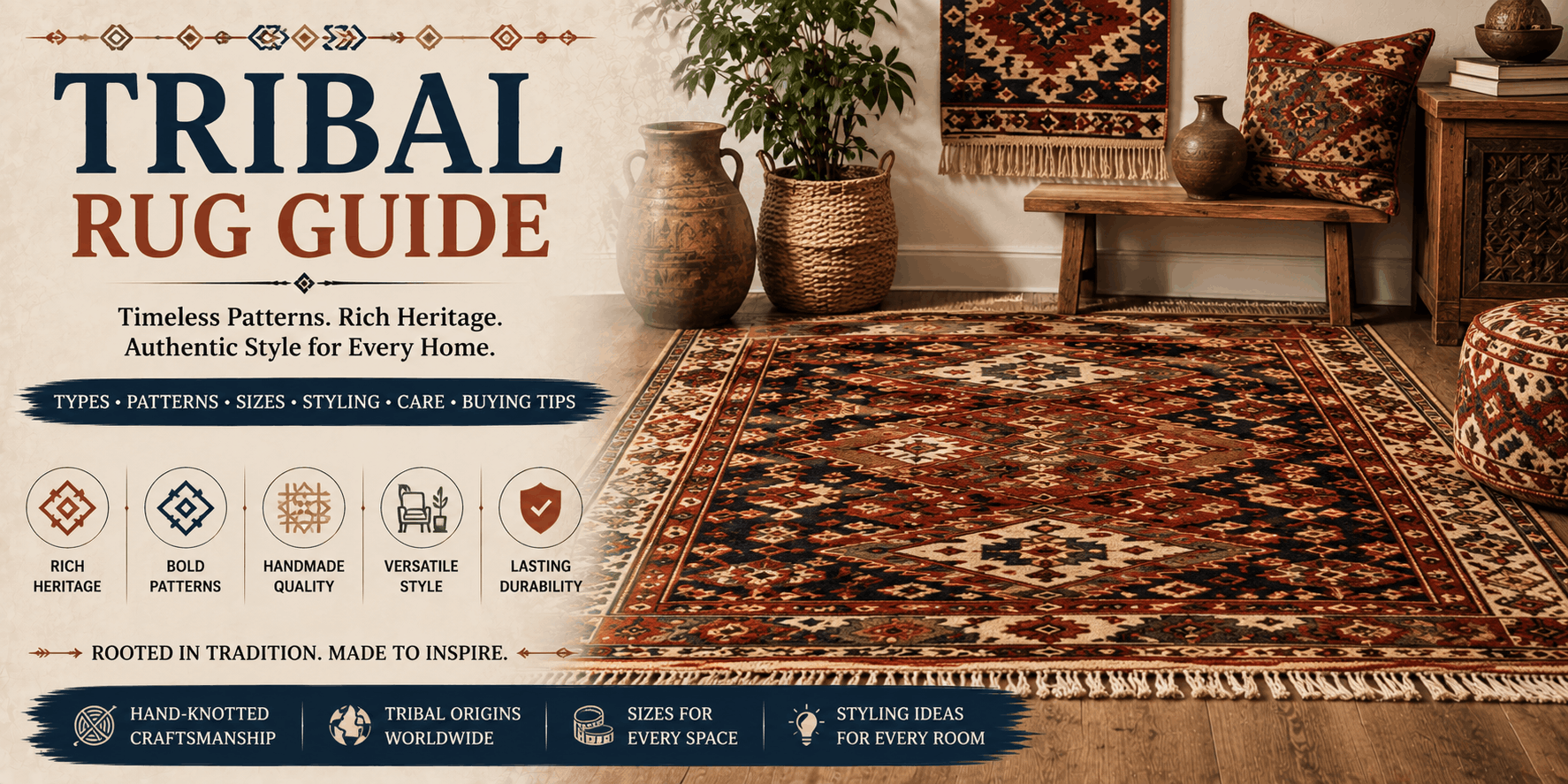
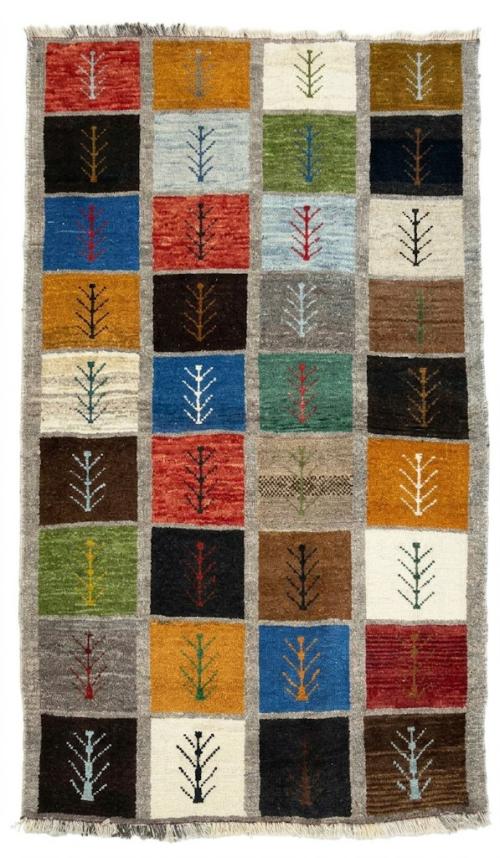
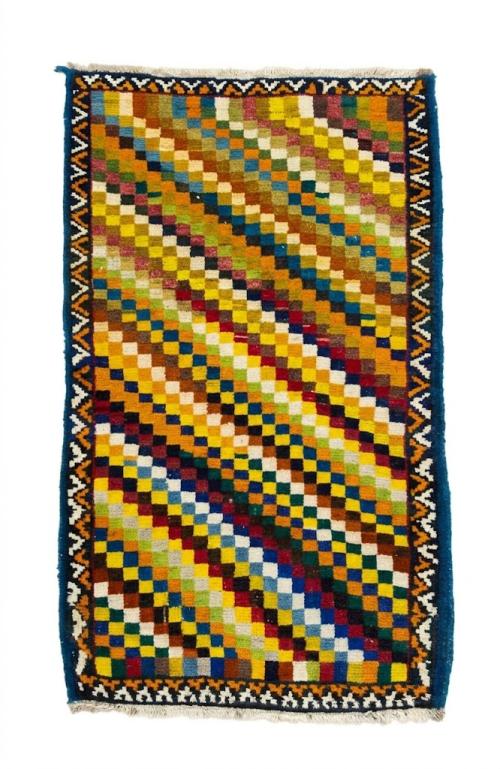
A tribal rug is traditionally a handmade rug woven by nomadic, non-nomadic, and village weaving communities that usually have geometric patterns, rich colors, natural materials, and unique cultural motifs.
A tribal rug is a great option if you are looking for a warm handmade rug with character. Unlike perfect machine-made rugs, tribal rugs usually have minor variations that make every handmade rug unique.
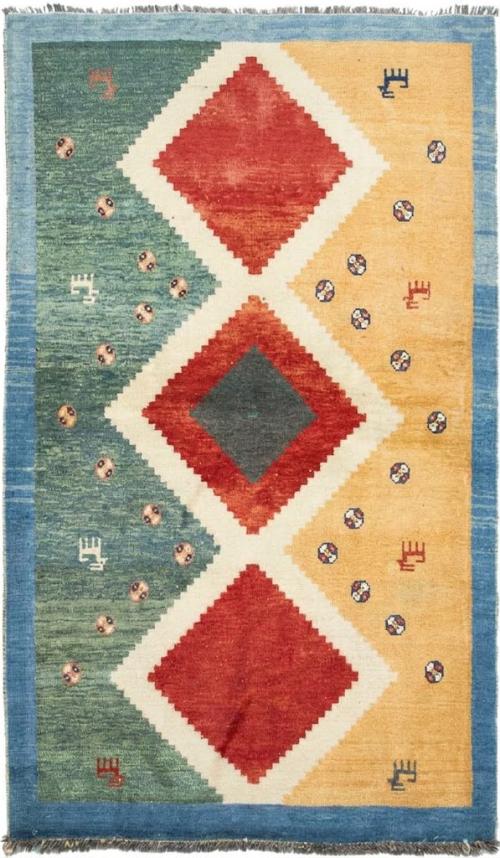
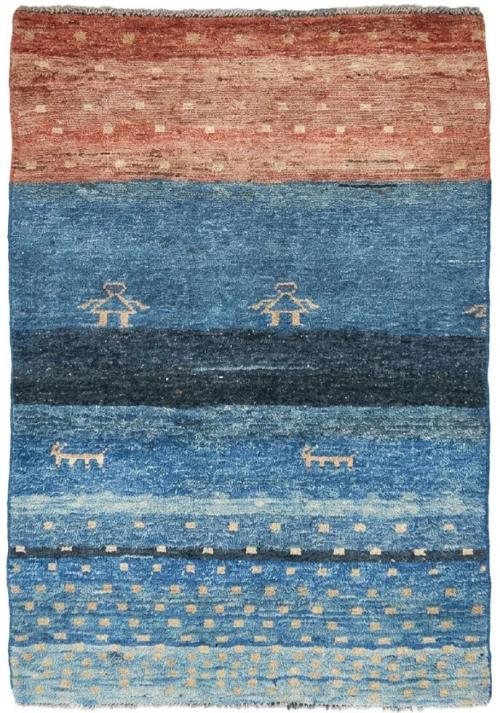
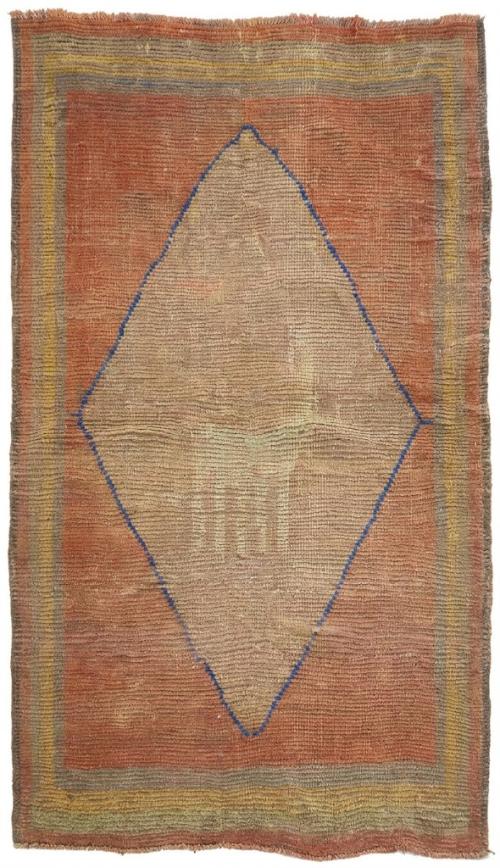
Tribal rugs are popular among homeowners who want to introduce texture and character to their farmhouse, rustic, boho, or classic interiors. From dramatic diamonds and medallions to geometric patterns, these colorful rugs can bring a personal style to a room.
In this guide, you will learn more about tribal rugs, where they come from, their history and unique properties, the different types and patterns of tribal rugs, and how to choose the perfect tribal rug for your home.
Quick Summary:
Tribal rugs are handmade geometrical patterned rugs made from natural fibers, traditionally woven by nomadic or village weaving communities.
Tribal rugs are mostly made using wool, offering softness, durability, and warmth.
Genuine handmade tribal rugs usually come with some variations, and these are a sign of individual craftsmanship and authenticity.
A tribal rug is a great addition to any modern decor, as it can introduce unique patterns and texture to a farmhouse or rustic interior.
When buying a tribal rug, focus on its size, materials, construction, colors, condition, and traffic, rather than only focusing on its appearance.
A tribal rug is a traditionally woven, handcrafted rug that originated from nomadic, semi-nomadic, and village weaving communities, consisting of geometric patterns, vibrant colors, dramatic borders, and traditional repeated motifs.
Historically, rugs were used to furnish and decorate homes and provide warmth. But now, for homeowners, a tribal rug is more than a floor covering, as it adds a handmade look to their homes. A tribal rug is a perfect centerpiece that brings warmth and texture to a contemporary or rustic interior.
Tribal rugs originate from several weaving regions around the Middle East, Central Asia, and the Caucasus. Some of the most famous tribal rug styles come from the region, Afghanistan, Turkey, the Caucasus, and Central Asia.
For decades, nomads and village weavers made rugs from locally available wool, dyes, and traditional methods. Patterns and motifs were passed down from generation to generation and often reflected the local cultural traditions.
Many tribal rugs were handmade, created without using any specific pattern, and minor variations in design are common. These differences are a part of their unique traditional character.
There are many types of tribal rugs that originate from different weaving communities. Every type of tribal rug has its own unique patterns, colors, materials, and motifs.
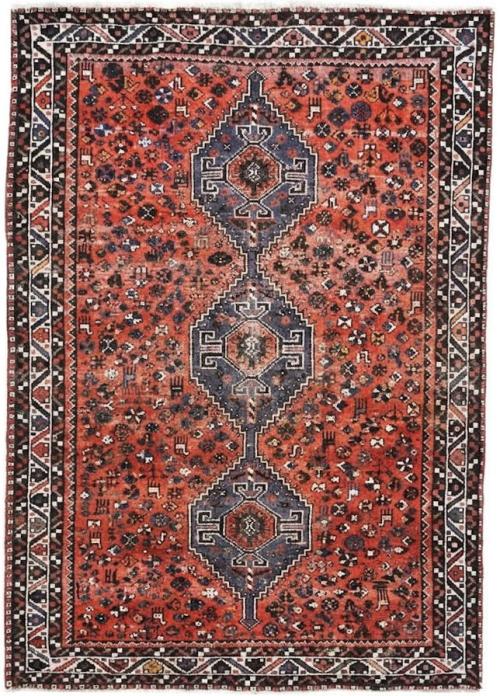
Persian tribal rugs originate from the region and are made by Qashqai, Bakhtiari, Luri, Kurdish, and other weaving tribes.
Afghan tribal rugs include bold geometric patterns in deep red, brown, and black colors. These rugs are known for their wool construction and traditional look.
Turkish tribal rugs are made using advanced weaving techniques and have unique geometric patterns, dramatic borders, and traditional designs.
Caucasian tribal rugs feature medallion patterns, diamonds, and bold contrasting colors. They are a popular choice among homeowners who want to elevate their contemporary interiors.
Choose a tribal rug for your home by considering factors such as the rug’s size, color, materials, and budget.
Measure your space: Start by determining the right size by measuring the room or the furniture before buying the rug.
Consider your decor: Make sure to choose a rug in colors and patterns that beautifully match the existing decor.
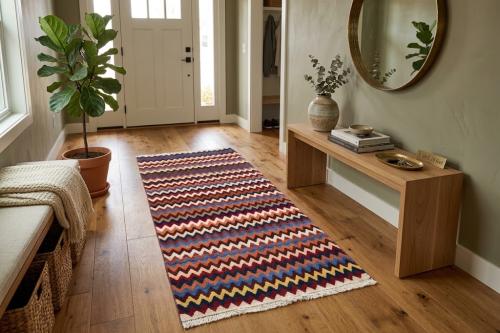
Think about traffic: Choose a durable option for high-traffic areas. Go for a well-constructed, good-quality rug that fits well in busy areas like living rooms and hallways.
Check the material: Wool is a great choice when you want comfort, long-lasting quality, and especially in the most-used areas. Cotton foundations add structure.
Set a budget: Determine a budget that you are willing to spend on the rug. Compare craftsmanship, condition, material, and size rather than focusing only on the price.
Tribal rugs look different because of their hand-woven nature, geometric patterns, natural materials, and rich colors. They usually come with some variations that imply their handmade origin. Every tribal rug is unique and has distinct patterns, motifs, and colors.
Key features of Tribal rugs include:
Handmade tribal rugs have some variations in patterns, shapes, colors, and materials. These differences give every rug unique character and charm.
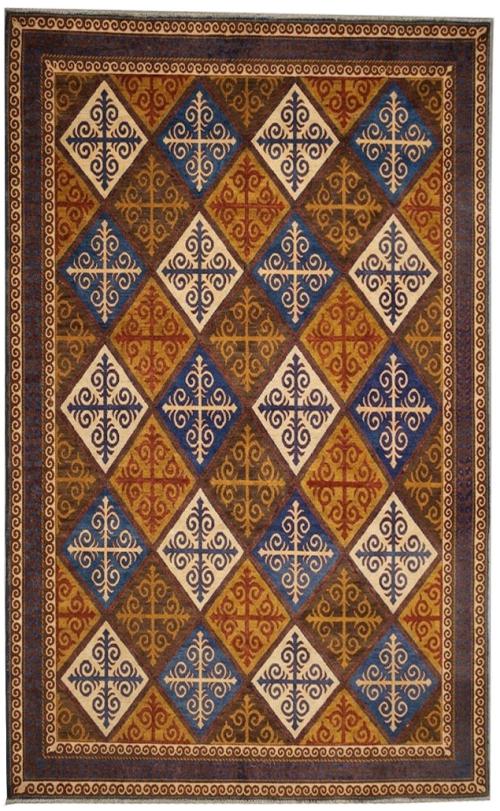
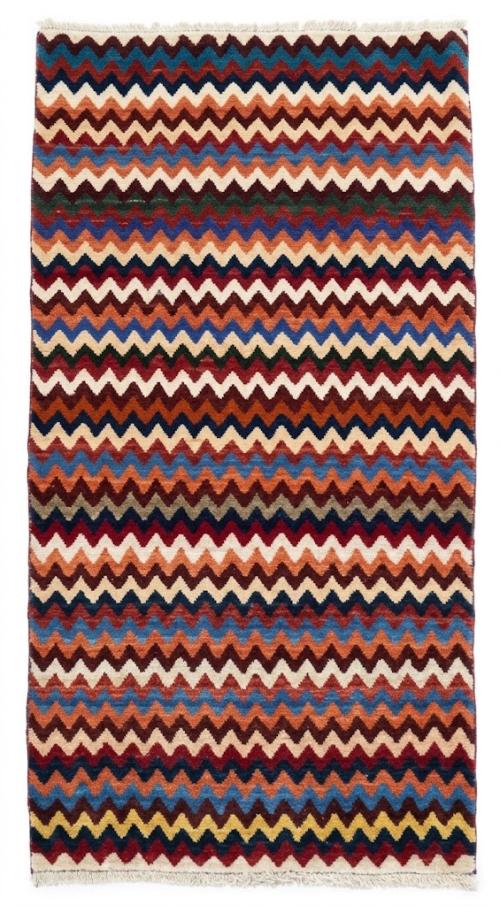
Tribal rugs consist of geometric patterns such as diamonds, zigzags, medallions, steps, and others. Patterns add complexity and uniqueness to the tribal rug.
Every tribal rug style originates from a specific weaving community that has its own patterns, materials, and motifs.
Tribal rugs are traditionally made of wool, cotton, and other natural fibers. Wool is a popular choice for its warmth, softness, and durability. A cotton foundation provides a good structure to the rug and prevents curling.
Deep reds, navy blues, browns, gold, ivory, rust, and charcoal are common. The color palette varies greatly depending on the tribe and the patterns they need to showcase.
Patterns and techniques often reflect the weaver’s culture and their regional traditions.
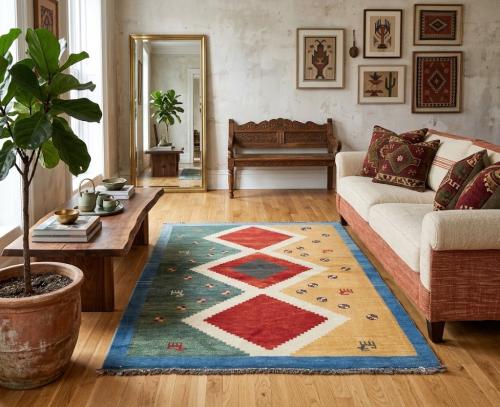
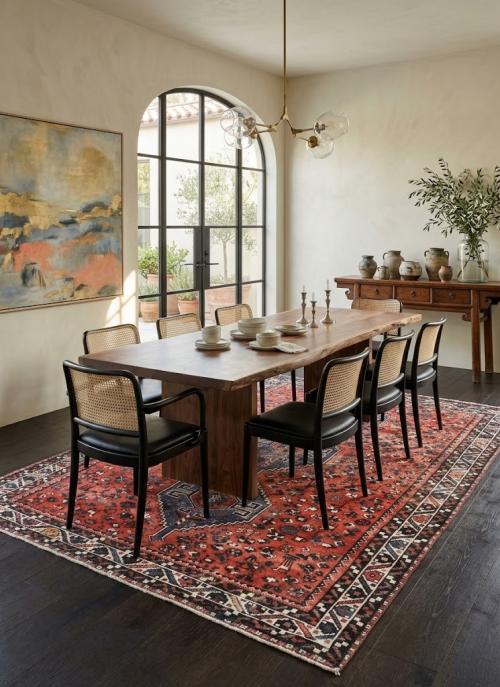
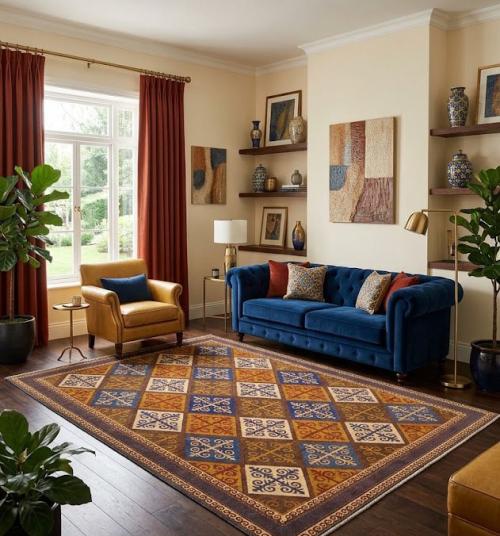
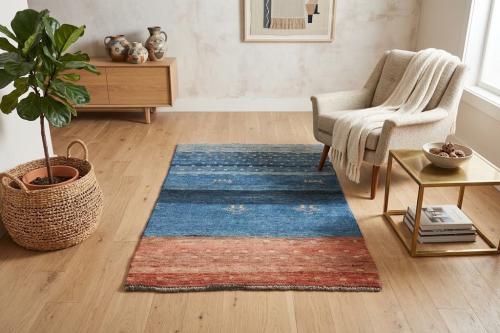
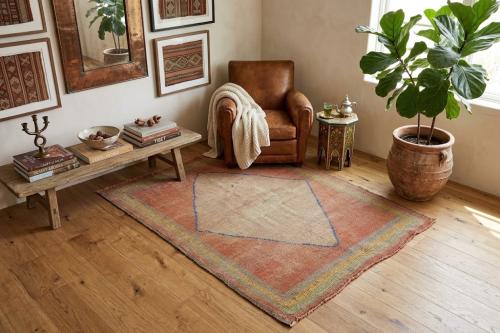
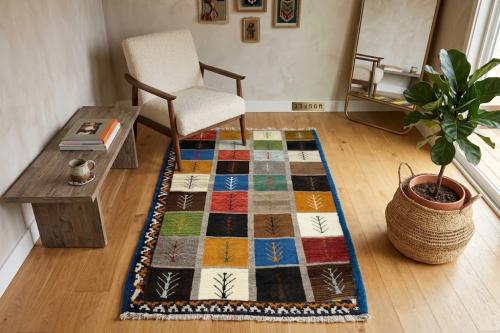
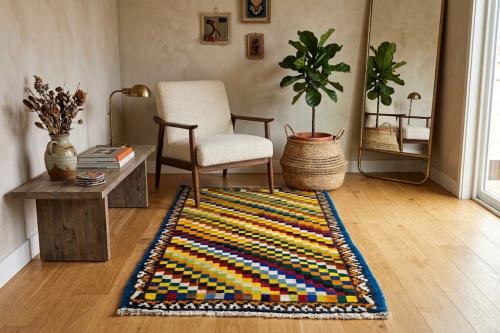
Yes, a tribal rug is a great addition to a modern home because its unique patterns work well with neutral decor and furniture. A geometric tribal rug creates a beautiful contrast with contemporary decor, adds warmth to a modern bedroom, and adds character to a neutral dining area.
The main purpose of using tribal rugs is to define the rug’s pattern with other decor items. If you have a neutral-colored interior, a tribal rug in vibrant colors will be a great addition to your home.
However, if your furniture is well-patterned, choose a tribal rug in a neutral color to add warmth and elegance to your modern room.
The price of a tribal rug depends on its size, age, materials, construction, origin, and condition. Handmade tribal rugs are significantly more expensive than machine-made ones.
New handmade tribal rugs are usually more budget-friendly than rare antique rugs. An expensive rug does not imply that the rug is good quality.
Always focus on all the factors, from craftsmanship and fiber quality to age, condition, design, and cultural significance, when comparing among the options. For high-priced antique tribal rugs, ask the seller about their origin, assessment, or certification.
Follow a few tips on rug care and maintenance to make them durable and appealing for years:
Vacuum regularly: Gently vacuum your tribal rugs regularly to prevent dust and dirt accumulation.
Treat spills quickly: If you have pets or kids at home, try to use stain-resistant materials and treat spills instantly to prevent permanent stains.
Avoid harsh cleaners: Do not use harsh chemicals and cleaning solutions that can damage the delicate fibers of the rug.
Schedule professional cleaning: Using a professional carpet cleaning service is the best way to keep your tribal rug in great condition for years.
Use a rug pad: Always use a rug pad under your rug to extend the rug’s life and prevent slippage. It also helps to preserve rug quality from daily wear.
A tribal rug is the perfect addition to your home if you want to create a warm and unique handmade look. Its geometric patterns, vibrant colors, natural materials, and traditional styles are very popular among homeowners.
Before making a purchase decision, make sure to consider the rug’s size, material, construction, colors, condition, and how it works with your lifestyle. Considering only appearance and budget will not work.
Keeping these factors in mind, check out the collection of tribal rugs at Magic Rugs and choose the one that will bring elegance and coziness into your home.
Explore our Tribal Rugs Collections at Magicrugs
Some tribal rugs originate from the region, but not all of them are Persian. Tribal rugs can also originate from Central Asia, the Caucasus, Afghanistan, Turkey, and other regions.
Yes, tribal rugs are traditionally handmade by semi-nomad or nomad weaving communities. However, some tribal rugs can be machine-made.
Some tribal rugs can be very valuable because of their cultural significance, pattern complexity, materials, and other factors. It is crucial to inspect a rug and verify its value before buying it.
Many tribal rugs are made from wool, which makes them highly durable. The rug’s longevity depends on the specific rug, the conditions of its maintenance, and other factors.
Tribal rugs are traditionally made of wool, cotton, and other natural fibers. Modern rugs can also be made of synthetic fibers.
Yes, a tribal area rug is a great way of adding texture and color to a living room. It should complement both modern and traditional furniture in your house.
A genuine handmade rug also comes with some irregularities in patterns, colors, shapes, and other features. You can also research the rug’s history and materials.
A high-quality wool tribal rug can last for decades with the proper maintenance. The rug’s maintenance, materials, and other factors will influence its long-lasting quality.
Share: