Cart (0)
No products in the cart.

Table of Contents
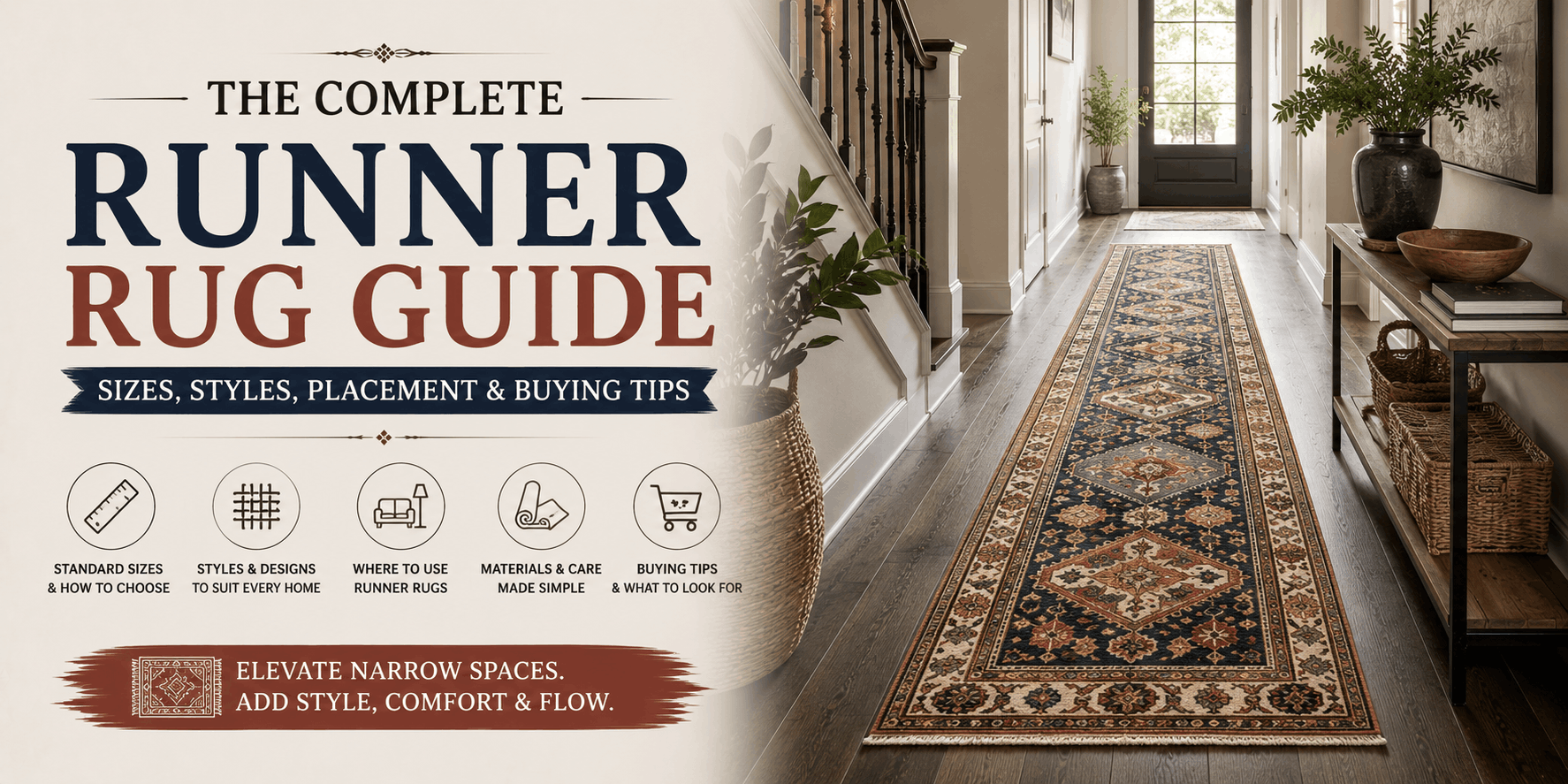
A runner rug is a long, narrow rectangular rug designed to add comfort, character, and protection to spaces such as hallways, kitchens, entryways, bedrooms, bathrooms, and stairs. When choosing a runner rug, focus on size, material, pile height, construction, traffic level, and placement rather than appearance alone.
Runner rugs can easily turn an empty hallway into a complete space, organize a busy kitchen, or bring warmth beside a bed. Handmade Persian and Oriental runners can also bring style, craftsmanship, and excellent charm to these spaces.
This runner rug guide explains how to choose the appropriate rug for every area of your home, which materials work best for these rugs, standard sizes, and proper placement.
Quick Overview:
Before selecting the runner rug for your space, always measure the space where you want to place it.
Select the height of the pile that goes well with your room and doors.
Make sure the style, color, and construction go well with your home.
Select the material depending on the level of traffic and maintenance requirements.
Properly place the rug and secure it with a pad for stability and to avoid early wear.
A runner rug is a rug that comes in a long, narrow rectangular shape and is meant for hallways, kitchens, entries, bedrooms, and other linear areas. Unlike an area rug, which usually connects a furniture group, a runner generally extends the length of the space.
Feature | Runner Rug | Area Rug |
Shape | Rectangular, narrow and long. | Rectangular or square |
Standard Size | 2'x6', 2'x8', 2'x10', 3'x8 and 3'x12' | 5'x7', 6'x9', 8'x10', and 9'x12' |
Placement | Kitchen, narrow spaces, entryways and hallways | Living Rooms, bedrooms and open spaces |
Purpose | Connect pathways and narrow spaces | Define a larger room |
Its rectangular shape and narrow size, with a width larger than its length, make it a runner rug. They can be available in both handmade and machine-made. These rugs come in different categories such as Persian, Oriental, antique, traditional, modern, and transitional.
When choosing the best size to fit your space, you will want to make sure the rug uses the available space without blocking the doorways or overcrowding the area. Measure the area first, then go for visible floor space, furniture, and amount of traffic before selecting a basic size.
Standard Runner Size | Best Placement |
2'x6' | Short hallways, kitchen areas, bedside |
2'x8' | Hallways, kitchen, bedroom |
2'x12' | Long hallways |
3'x8' | Wider spaces |
3'x12' | Long hallways or open spaces |
Take measurements of the available hallway length, always leave some exposed floor at both ends of the rug. Also keep in mind the doors and furniture to avoid blocking and allow easy movement.
To calculate the length of a hallway:
Estimated length of a runner = Hallway length – desired end borders
Measure the width of a hallway. When choosing a runner for this area, always leave an equal edge of the exposed floor on either side of the rug. Avoid a width that blocks the entire corridor or doorways.
To calculate the width of a hallway:
Estimated width of a runner = Hallway length– desired end borders
There is no standard amount of space that should be left around a runner on either side or on the edges. Leave equal amounts of exposed flooring on all sides of the rug, keeping it in the center of the hall and away from doorways.
| Avoid choosing a runner rug depending only on the visible floor area. The selection of rugs should also be done on the basis of door clearance, amount of traffic, furniture placement, and rug sizes. |
Runner rugs can be placed in narrow, long areas where warmth, protection, aesthetics, and texture are needed. Their rectangular design makes them flexible to be placed all around the home, whether it’s in the hallway, kitchen, entryways, bathrooms, or bedrooms.
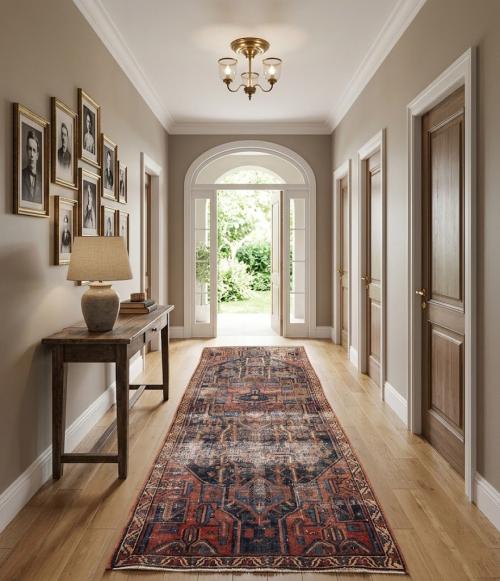
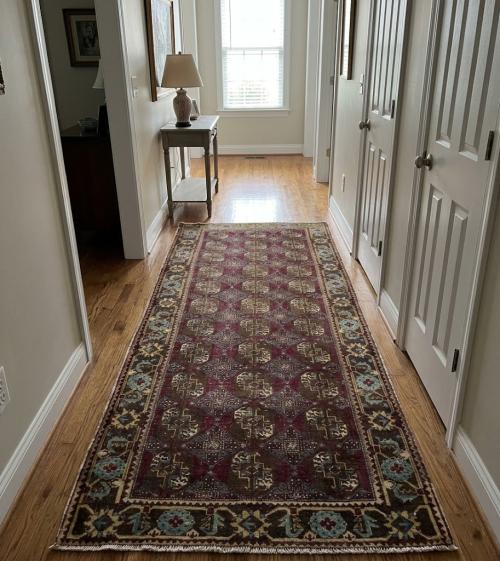
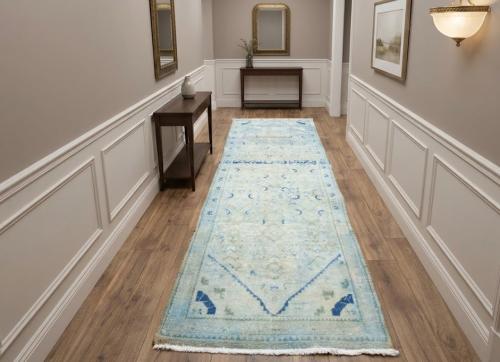
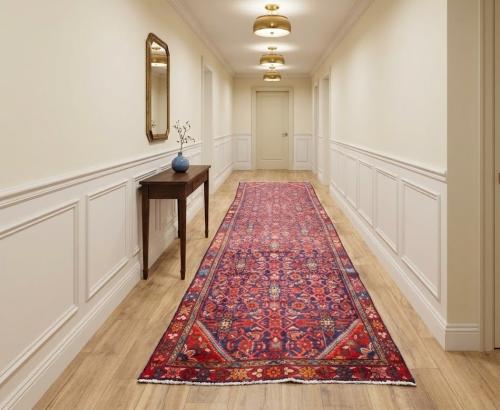
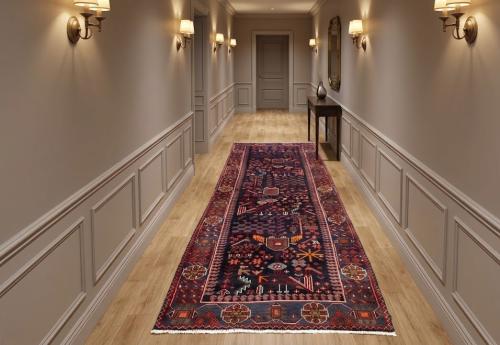
Hallway runner rugs define and enhance long, narrow hallways and entrances. They also connect spaces and narrow pathways, and they protect the floor from daily foot traffic.
A runner in the kitchen looks great when placed along counters, islands, sinks, and galley galley. You should select a runner rug based on the pile and material so that it can manage daily foot traffic, regular use, and cleaning.
In a bedroom, a runner can be placed bedside, at the foot of the bed, or between pieces of furniture. They are especially helpful in areas where a full-size area rug makes the small bedroom look overcrowded.
An entryway runner rug adds an inviting passage between the entrance and the other rooms of your home. You should select a long-lasting one for dirt and continuous foot traffic.
For the bathroom runner, you must select the right material, as moisture is a concern and can affect fibers. Also, go for the right construction and maintenance, and choose an anti-slip setup.
A runner can work well in a living room when there is a long passageway, layout, or transition area where a traditional area rug will not match naturally.
Choosing the best runner rug helps to define dimensions, traffic, materials, how soft or plush the pile is, construction, pattern, color, maintenance, and safety. When choosing a runner, focus on the practical needs rather than focusing on aesthetics so the rug looks great and works well.
Here are some of the most important factors to keep in mind:
It is important to take measurements of both the available length and the width of the area, taking doorways and furniture into consideration as well. Do not depend only on the complete dimensions of the room.
Heavy-traffic areas like hallways and kitchens require more durable materials and construction that is appropriate for frequent use. Low-traffic areas like a bedroom might have more options.
Select the appropriate material based on maintenance, comfort, abrasion resistance, wear, the amount of moisture exposure, and the room’s requirements instead of only focusing on the appearance.
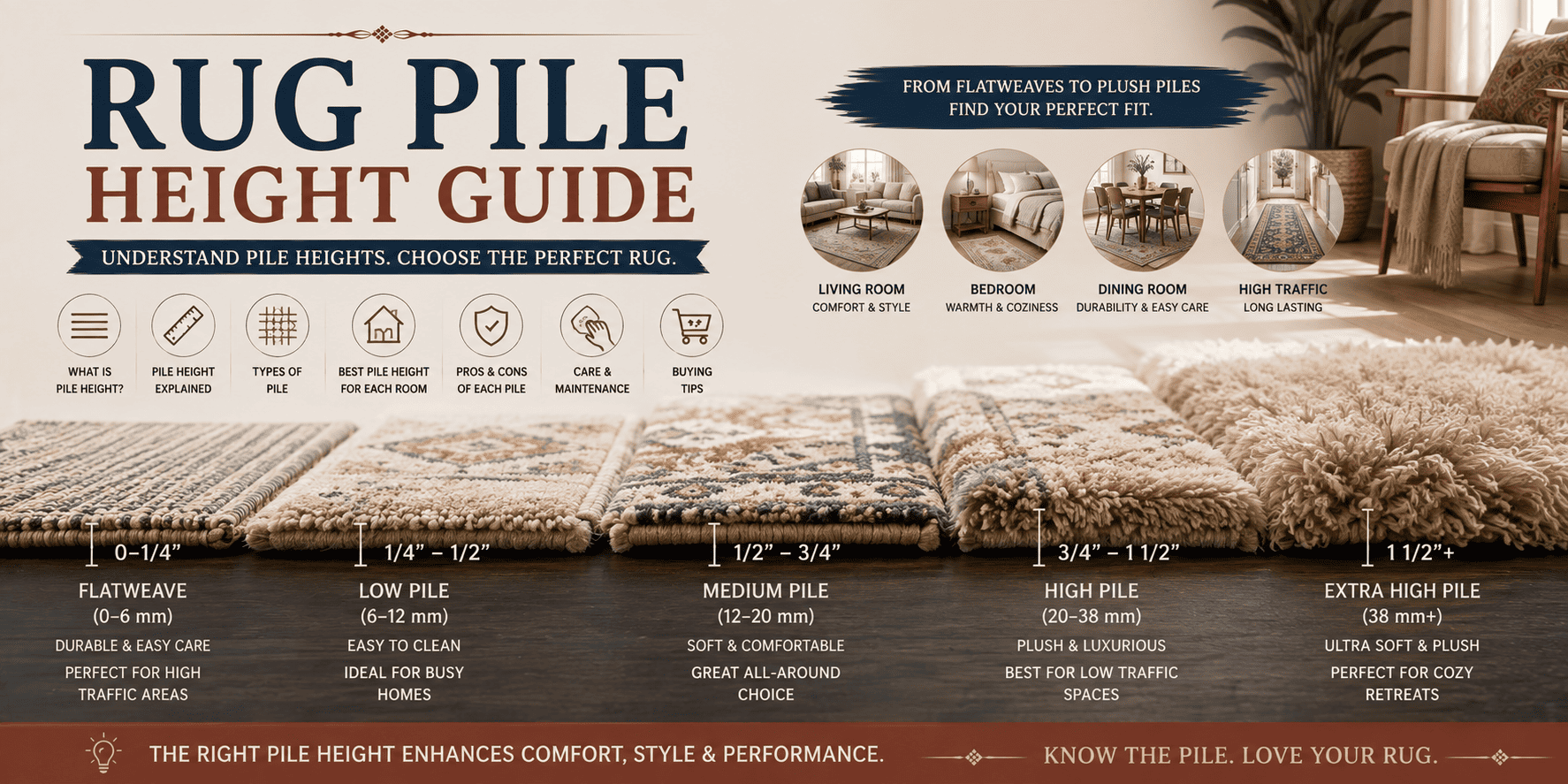
Low pile runner rugs generally work well near doorways and busy passages. However, a thicker pile feels softer but needs more exposed area.
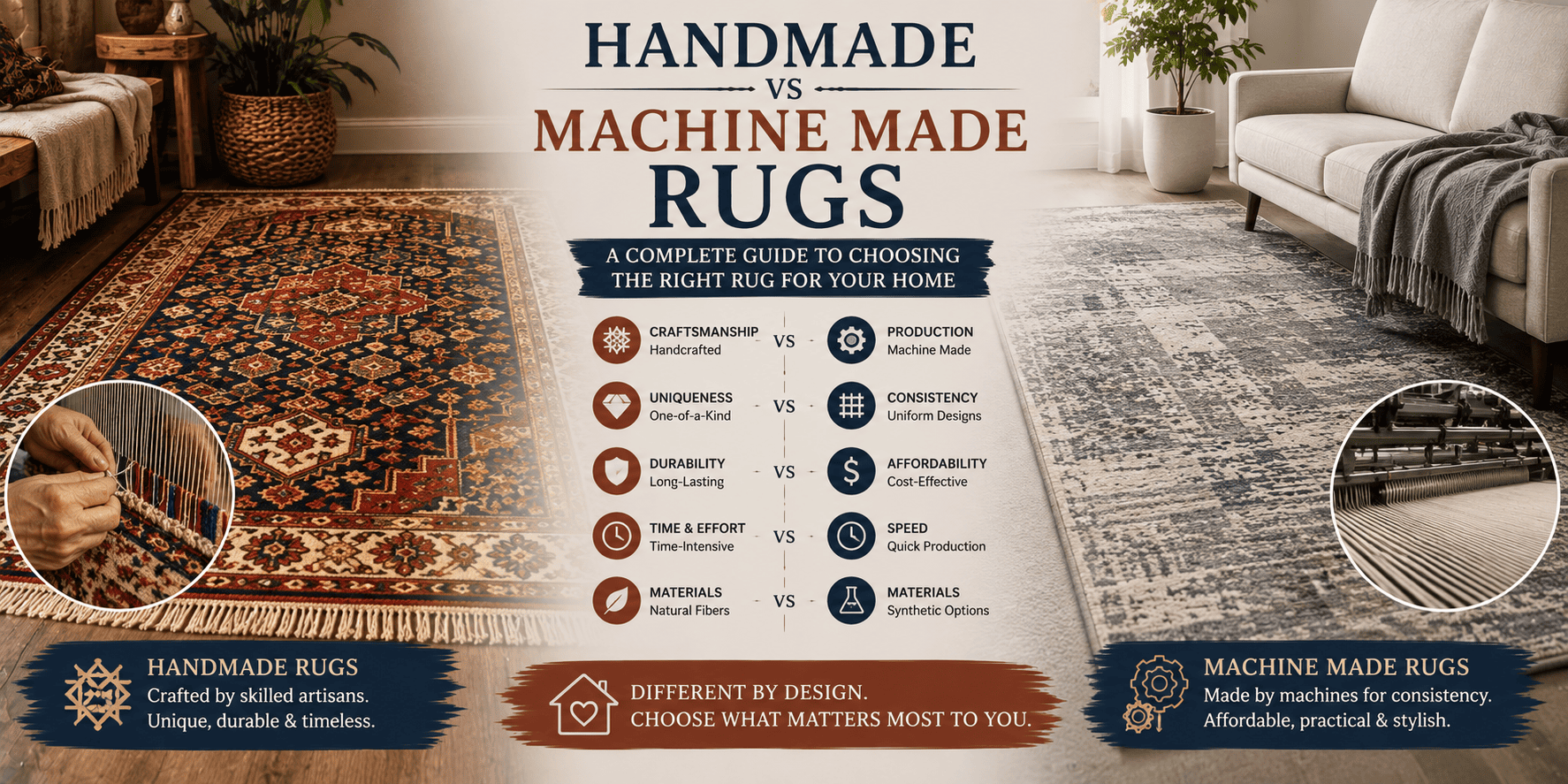
Handmade, hand-tufted, and machine-made runners vary when it comes to feel, craftsmanship, durability, look, and price. Select on the basis of your budget and requirements.
Take the colors, patterns, furniture, walls, cabinetry, and existing rugs into consideration. Choose a rug that matches and balances the room instead of clashing with other elements.
Consider vacuuming, spot cleaning, shedding, moisture, and professional cleaning before you buy a new runner rug. The maintenance needs particularly depend on the type of fiber and construction.
Make sure to use the right rug pad as per the requirements. Also make sure that the rug does not slide, bunch, block doorways, or be a trip hazard.
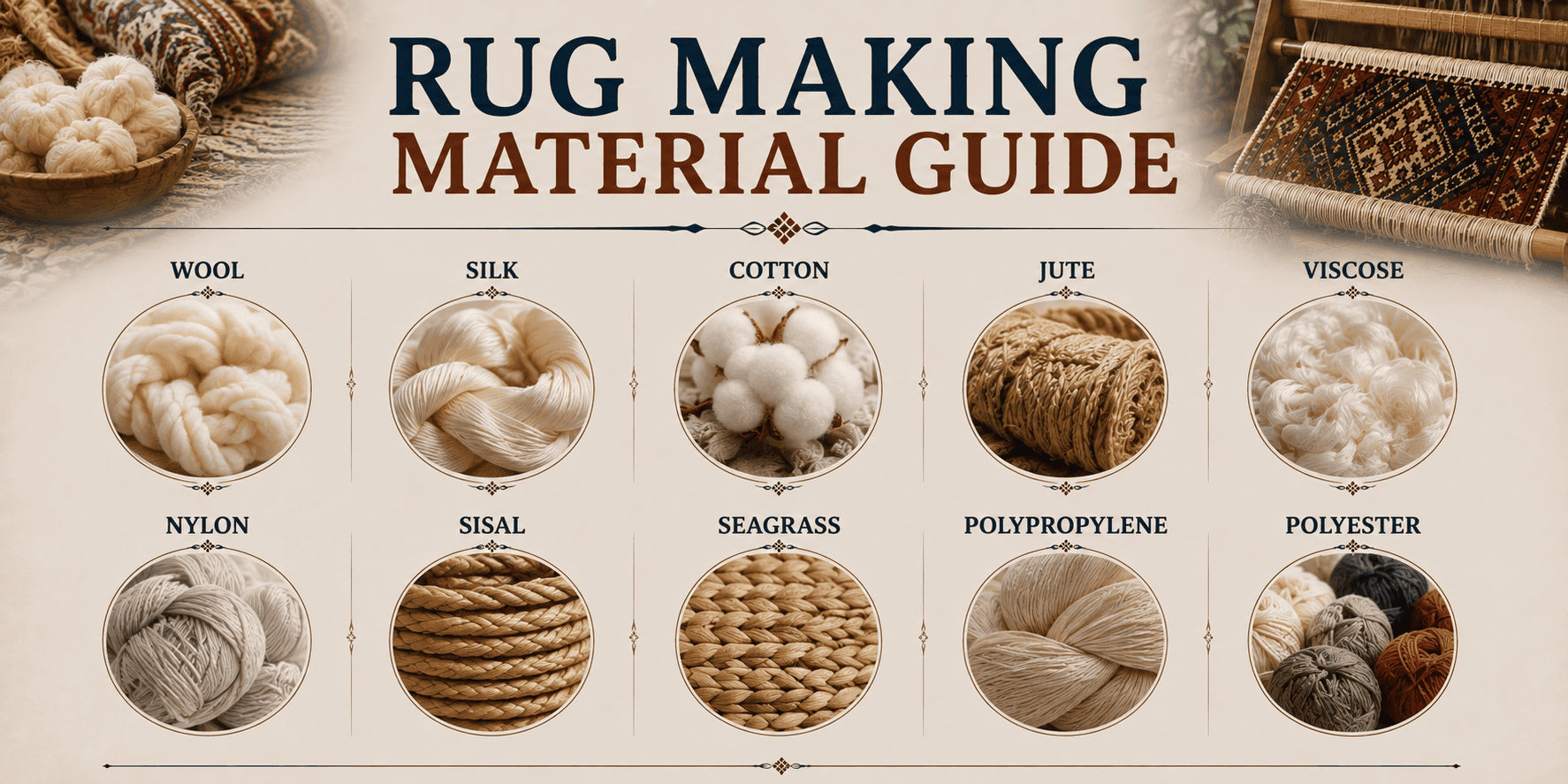
When considering the best runner rug materials, you must know the placement of the rug, how much traffic it gets, and how much maintenance you are willing and comfortable with. No particular fiber fits every place in your home.
Wool runners are flexible and often work well in high-traffic areas. Though they add a luxurious texture and beautiful appearance, they still require proper care and frequent vacuuming.
Cotton runners are lightweight and can be used in different ways, but they usually fit well in casual areas like hallways. They are based on the construction, the traffic, and the maintenance requirements.
Silk runners are expensive because of their beautiful appearance, texture, and intricate design, but they are often suitable for areas where look and special care come first.
Synthetic runners have a wide variety of colors, textures, designs, and construction. Some are made for easy-maintenance areas, making special care a priority.
Factor | Wool | Synthetic |
Texture | Natural | Artificial |
Durability | High | Depends on fiber quality |
Look | Rich and Natural | Varies |
Maintenance | Moderate | Easy |
Traffic | Excellent | Based on fiber and construction |
Runner rug construction plays an important role in its overall appeal, longevity, and price. Understanding the differences between the two main types of construction helps you pick the best fit for your home and lifestyle.
Hand-knotted runner rugs are solely created by skilled artisans who weave unique designs into every piece. They are a perfect blend of artistic creativity, excellent craftsmanship, and durability.
Hand-tufted runner rugs are created using tufting tools and backing. They offer beautiful and appealing handmade pieces at an affordable price.
Machine-made runner rugs are made using automated equipment, offering continuous sizes and patterns. They come in different materials, designs, and prices.
Factor | Hand-knotted | Machine-made |
Craftsmanship | Good | Moderate |
Durability | High | Good to very good |
Look | Unique | Consistent |
Price | High | Reasonable |
Uniqueness | High | Less |
When it comes to style, there are many options, ranging from classic Persian designs to modern geometric patterns. Choosing the best styles depends on the home’s architecture, color, furniture, colors in the space, and the amount of detail that you need in that area.
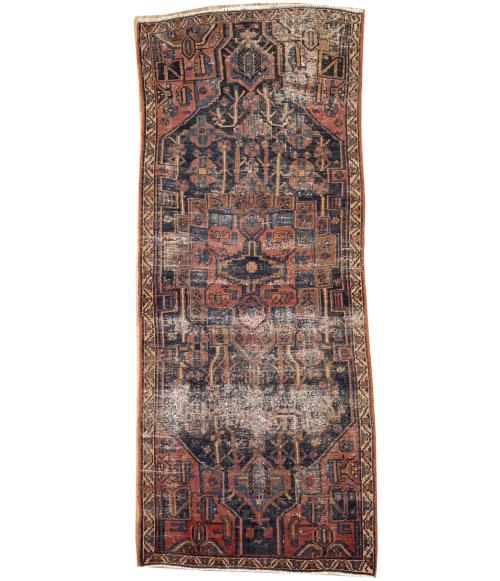
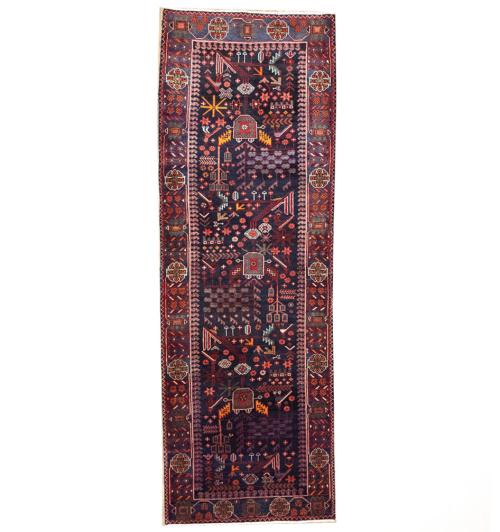
Persian rugs offer intricate motifs, cultural craftsmanship, and long-lasting regional designs that can enhance hallways and other narrow spaces of your home.
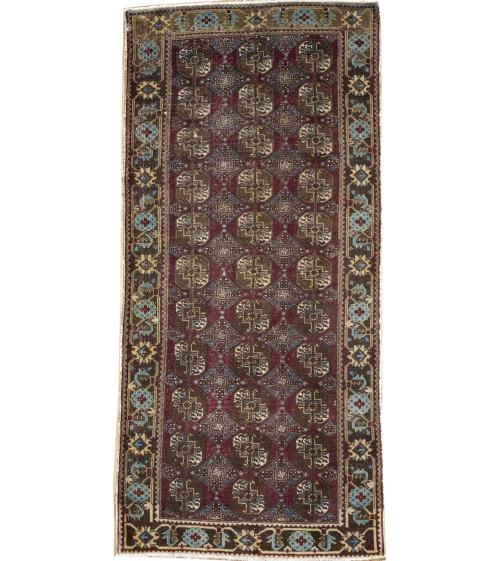
Oriental runner rugs offer a wide variety of old traditional patterns, colors, weaving methods, and construction, introducing different options to traditional aged decor.
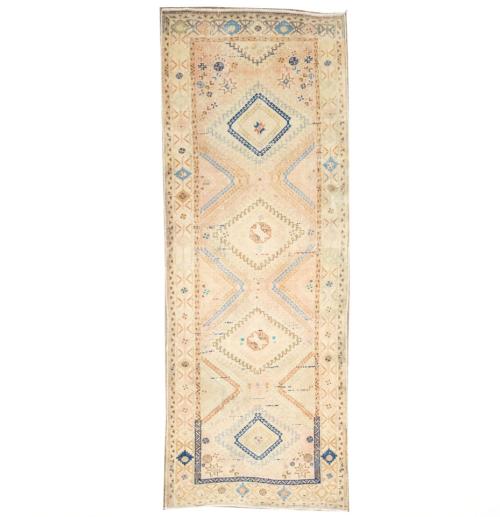
Vintage style runners offer a sense of history and character. Their worn appearance can go well, especially with rustic or casual decor.
Traditional rug styles provide historical motifs and defined patterns that go well with traditional furniture and an exceptional interior.
Transitional runner rugs bring together classic details and modern colors or simple patterns to create an updated look.
Modern runners often use simplified lines, modern patterns, and clean compositions to create minimal and updated areas without overwhelming them.
Boho runners feature casual patterns, texture, and earthy browns and more different colors for relaxed layered decor.
Geometric design runners use similar and appealing designs that can work well in a contemporary setting, with repeated shapes, patterns, lines, or angular motifs, turning simple hallways or rooms into structured ones.
When it comes to choosing colors for a runner rug, it is important that it goes well with the room’s existing color scheme while taking the traffic and maintenance into mind.
Pattern scale is also important because narrow areas instantly look overcrowded with oversized or complicated designs.
Let’s discuss the best color palette for a runner rug.
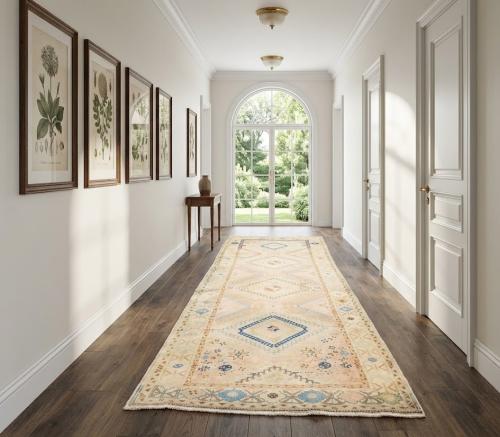
Neutral runners in beige, cream, gray, or brown colors offer a subtle appearance and often work well with the majority of decorating styles in the home.
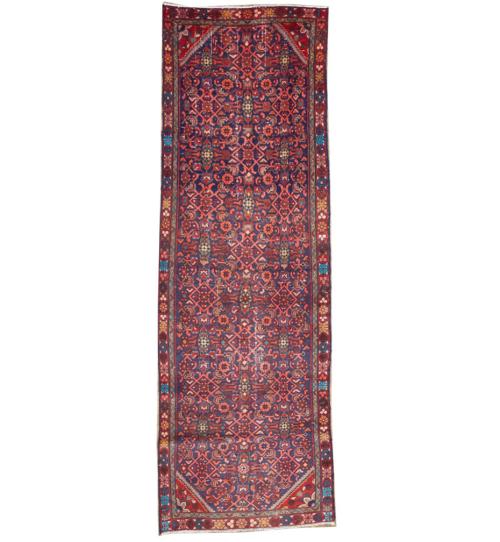
Red rug runners are eye-catching and go well when paired with traditional furniture, warm wooden hues, and other traditional decor.
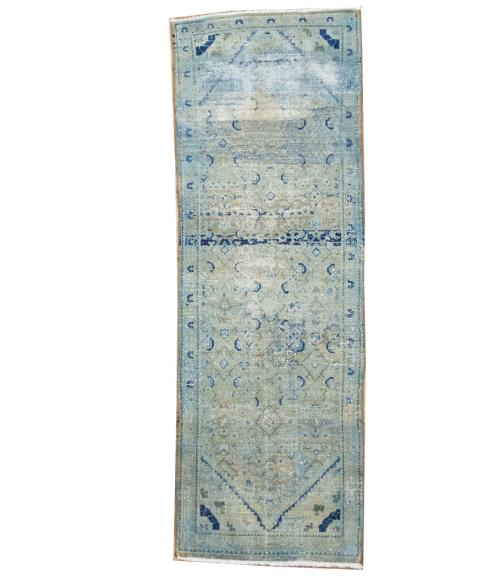
Blue rug runners can add an accent of cool color, especially when paired with white cabinets, gray, cream, natural wood, and other beach-inspired decor.
Green rug runners give an earthy touch and can match with many natural materials, warm neutral colors, and other nature-influenced interiors.
A multicolor runner is an excellent option to be flexible when a room has multiple accent shades, allowing you to balance them with one design.
Larger patterns can overwhelm a narrow space, whereas smaller or more defined patterns may bring a subtle appearance. Always take the actual width into consideration before selecting a design for a new runner rug.
To match a runner rug with your existing decor, you should take a look at your wall color, floor, furniture, cabinetry, wood tones, and nearby rugs, and make sure that all of these coordinate with the rug.
Find colors and patterns that naturally tie in with the existing elements.
Pick colors that go well with or easily match your walls. This allows the runner to feel anchored with the overall color palette.
Consider the color and texture of your floors before selecting your runner rug. It should look unique without clashing with the floor.
The main furniture in the room should easily blend with the colors or materials of the rug. You do not have to exactly match for a defined appearance.
In your kitchen or entryways, look at the cabinets and other built-in furniture. A well-matched rug can create a more balanced look.
If your flooring or furniture has warm, cool, light, or dark wood tones, then pick a rug that naturally goes well with these shades.
If you already have other rugs in the area, then select the colors or patterns that complement them. The rugs should complement each other without looking similar.
Correct placement is essential for any runner rug to make it look well-defined and provide a relaxed walking area. Center the rug area within the available space and always leave borders where possible. Always consider the doors and furniture before placing it.
Make sure to center the rug within the main walking area, but also ensure that the exposed floor on both ends is equal and looks well-balanced.
Place the rug around the main working area, such as along the counters or an island, but make sure it does not block cabinets, walkways, or appliances.
Place the rug beside the bed or at the foot of the bed based on the room’s layout. Leave enough space for easy movement.
Ensure that the runner is placed along the length of the entryway. Also leave enough space to avoid blocking the doorway.
Make sure to check nearby doors before placing the runner. Keep the rug so that it never gets stuck under the door or disturbs its movement.
Place the rug in a way that it goes well with nearby furniture and does not block walking areas. Always keep the layout open and look well balanced.
Measure the available space from each side of the rug and center it until the exposed floor borders look defined.
A moving runner can be a huge safety concern in hallways and other high-traffic areas. The simplest solution is to use a well-sized non-slip rug pad, designed specifically for the floor and rug type.
A good rug pad helps provide cushion and grip, protect the floor, and keep the runner rug in place.
Make sure the rug pad is smaller than the runner rug, so it remains covered but provides support and grip to the rug around the available space.
Make sure to use a non-slip solution that helps to grip both the rug and the floor properly. Avoid using products that can stain, discolor, or damage delicate flooring.
Make sure both the floor and the bottom of the rug are clean and remain dust- and debris-free, as it can impact stability. Regularly clean both surfaces and the backing of the rug to provide better grip.
Avoid using tapes and other adhesives unless they are specifically recommended for the type of floor and rug. Some products leave residue that causes damage.
Safety note: A runner rug in a high-traffic area should be anti-slip and must not involve doors or create a risk.
Runner rug care and maintenance is based on factors including material, construction, age, and condition of the rug. General regular maintenance will help prevent dirt buildup, while other treatments may be necessary to remove stains or to clean delicate handmade rugs.
Vacuum depending on the traffic and the material used. More trafficked areas need regular vacuuming, while delicate rugs should be vacuumed on a low-suction setting and handled properly.
Clean according to the construction and material of the rug. Not all wool rugs can be cleaned the same way or using household cleaners, some require special cleaning solutions or care.
Blot spills immediately and thoroughly, avoid harsh rubbing or cleaning, and use recommended cleaning methods for the material or seek professional help for tough stains and valuable rugs.
Some new wool rugs shed loose fibers. Regular vacuuming helps handle shedding as the rug wears.
Direct sunlight can bleach some materials and fade colors over time. Avoid direct sunlight by using window shades in the right place and rotate the rug occasionally if the construction allows for it.
Professional cleaning is often necessary for valuable, delicate, heavily soiled, or handmade rugs, or when the appropriate cleaning process is uncertain.
Rotate a runner rug when its arrangement allows you to distribute foot traffic and sun exposure more evenly. Avoid rotating if it clashes with doors or other placement areas.
Read the rug care and maintenance guide.
There are a number of common mistakes associated with both the buying and placement of runner rugs, including incorrect size, door clearance, using the wrong materials or maintenance products, and traffic.
Avoid choosing a runner that is too wide: Do not get a runner rug that is too wide, as it would make a narrow passage look even more cramped and reduce the exposed floor edges.
Check door clearance: Make sure the length of the runner does not block, get stuck, or interfere with any nearby doors while opening.
Do not skip the rug pad: Always use a rug pad under the runner rug to protect it from slipping, bunching, and sliding on the floor surface.
Choose the right pile height: Avoid choosing a rug with the wrong pile height for the room. Pick a rug with the right pile height that does not get stuck in the doors.
Consider traffic levels: Opt for the suitable material and construction to ensure quality and long-lasting performance in high-traffic areas.
Do not overlook maintenance and care: Do not avoid maintenance and care; consider spills, dirt, moisture, and understand the cleaning needs before finalizing your purchase.
Match the entire room, not only furniture: Coordinate the rug with overall design, including the flooring, cabinets, countertops, and wooden tones for a balanced look.
Read Rug Placement Guide.
Use this checklist as a reference when buying a runner rug.
Before buying a runner rug, measure its usable length and width.
Make sure the rug does not block the doorways and allows easy movement.
Go for a rug that can handle daily foot traffic.
Select the pile height that matches the space and comfort.
Select the materials based on use and maintenance.
Check the construction, whether it is hand-knotted, hand-tufted, or machine-made.
Select the color and pattern that goes well with your home decor.
You should know how to take care of a runner and its materials.
Thoroughly check the listed measurements while buying handmade rugs.
Review the seller’s return policy before making the purchase decision.
There is no useful average price for runner rugs, as prices usually fluctuate depending on size, materials, knot count or construction, age, country of origin, design, condition, rarity, and other factors. Handmade Persian and Oriental rugs in particular have a much higher price due to their construction and materials.
When making comparisons in prices, don’t focus only on size. Two runner rugs with the same size can be valued differently because of their different materials, weaving, quality, age, construction, origin, and condition.
Buying a runner rug online becomes easy when you check dimensions, materials, construction, photos, condition, and return policies before ordering.
Handmade rugs also have some variations that make them unique, and one should know that these are part of craftsmanship.
Here is the checklist you should follow before buying a runner rug online:
Always make sure to check the exact dimensions rather than depending on a general size such as an 8-foot runner.
Make sure to check that the rug materials are wool, silk, cotton, synthetic, or a blend, and the method, whether it is hand-knotted, hand-tufted, or machine-made.
Make sure to look at the rug photo thoroughly, check every detail in the photo, like borders, motifs or patterns, pile, and wear.
Close-up details can be very helpful, as they allow you to know texture, weave, colors, and construction.
If you are looking for a vintage or antique runner, make sure to read the condition and review carefully, as these can give you insight into wear, repairs, fading, stains, fringes, and other details.
Always make sure to check the seller’s return policies before purchasing online, especially when shopping for more expensive or handmade rugs online.
Always confirm shipping costs, delivery expectations, packaging, and any other requirements before purchasing to avoid any additional costs.
Handmade rugs will often have small variations in pattern, color, size, and more. These differences are usually part of individual craftsmanship.
Now you can easily choose the right runner rug. This guide has everything you want to know about a runner rug that helps you take the right steps while selecting a runner rug.
This explains how to measure, where to use it, how to select the right material and construction, which style works best in your space, and lastly, how to maintain the rug. After considering all these, you can confidently buy the best runner rug.
For an excellent variety of handmade Persian, Oriental, vintage, and other unique runner rugs, visit Magic Rugs, explore our collection, and invest in a timeless piece that not only brings elegance but also creates depth and unique character that elevates the look of your space.
Always buy a rug that not just fills the space, but also enhances your surroundings and makes your space feel warm and welcoming by adding a personal touch.
Explore our Runner Rug Collections at Magic Rugs
A runner rug is a long, narrow rug well designed for use in linear areas such as hallways, kitchens, entryways, bedrooms, and other narrow spaces.
The standard sizes of a runner rug are 2'x6’, 2'x8’, 2’x10', and 2'x12’, although handmade rugs come in a wide variety.
The size of the runner rug depends on the usable dimensions of the hallway, but always leave equal amounts of exposed floor on both ends and allow easy movement of the door.
Take the measurement of the usable length of the hallway, but there should be enough space for borders, furniture, transitions, and door clearances.
Leave enough space to allow for the defined borders. The exact amount is based on the hallway’s size and arrangement.
The difference is that Persian rugs come from the region, whereas Oriental rugs are a broader term traditionally used for rugs that originate from different Asian and Middle Eastern weaving methods.
Handmade rugs are worth it when you appreciate their excellent craftsmanship, beautiful designs, natural materials, long-lasting durability, and premium texture of an individual rug.
A stair runner is a type of runner that is made to be used on stairs, but it should never be placed on them without securing it in place, and a regular runner should never be used as a stair runner.
Share: