Cart (0)
No products in the cart.

Table of Contents
What are the 6 Types of Materials Used in Rugs?
Qualities of Each Rug Material
Why Rug Material Matters?
How to Choose the Right Rug Material for Your Space?
Consider Lifestyle, Budget, and Comfort
Conclusion
Frequently Asked Questions
When you enter a rug store, you come across hundreds of rugs, all of different designs. Some rugs were soft, others felt rough. Some rugs were expensive, and others were affordable. However, the main factor that makes each rug feel different is the type of material used.
The type of material is everything when it comes to choosing a rug. It determines how long the rug lasts, how easy it is to clean, and how it feels while stepping on it. The rug material also decides the price. Therefore, before you purchase the next rug, you should know about different rug materials.
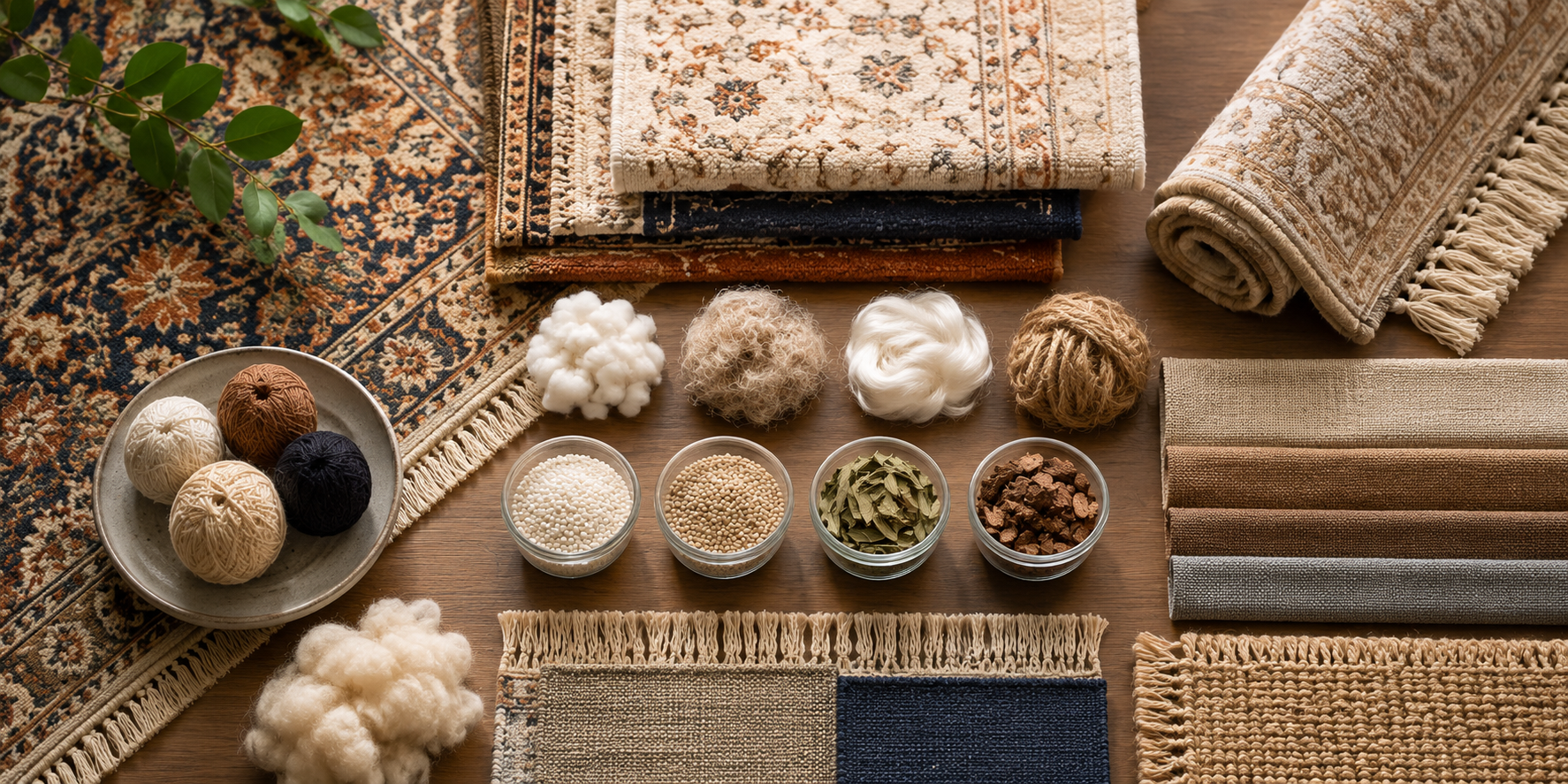
This blog guides you about the 6 most common types of rug materials like wool, silk, cotton, synthetic, natural jute and leather. You will get to know the qualities of each material that help you choose the right material for your next rug purchase.
There are six of the most common rug materials. Let's understand each type:
Wool is among the most demanded types of rug material in the world. Sheep are the source of wool and have been used in handmade rugs for thousands of years. The natural anti-wrinkle and anti-dirt properties of wool fibers make them suitable for use. These material rugs look fresh even in high-traffic areas. Wool feels soft, is fire-resistant, and naturally provides warmth. Proper maintenance increases the life of a wool rug.
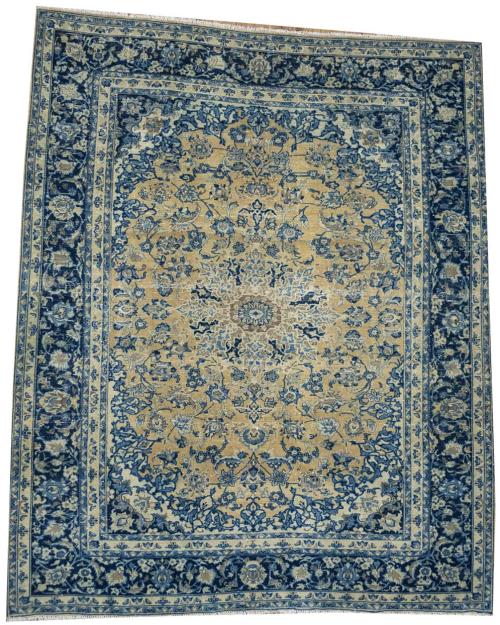
Silk rugs are the most luxurious rugs. These are made up of fibers of silkworms and have a natural luster and softness. Silk rugs have the best and most complex designs for any type of rug. But, silk traps dirt quickly, is difficult to clean and not suitable for busy areas. You can use silk rugs in low-traffic areas as a decorative piece.
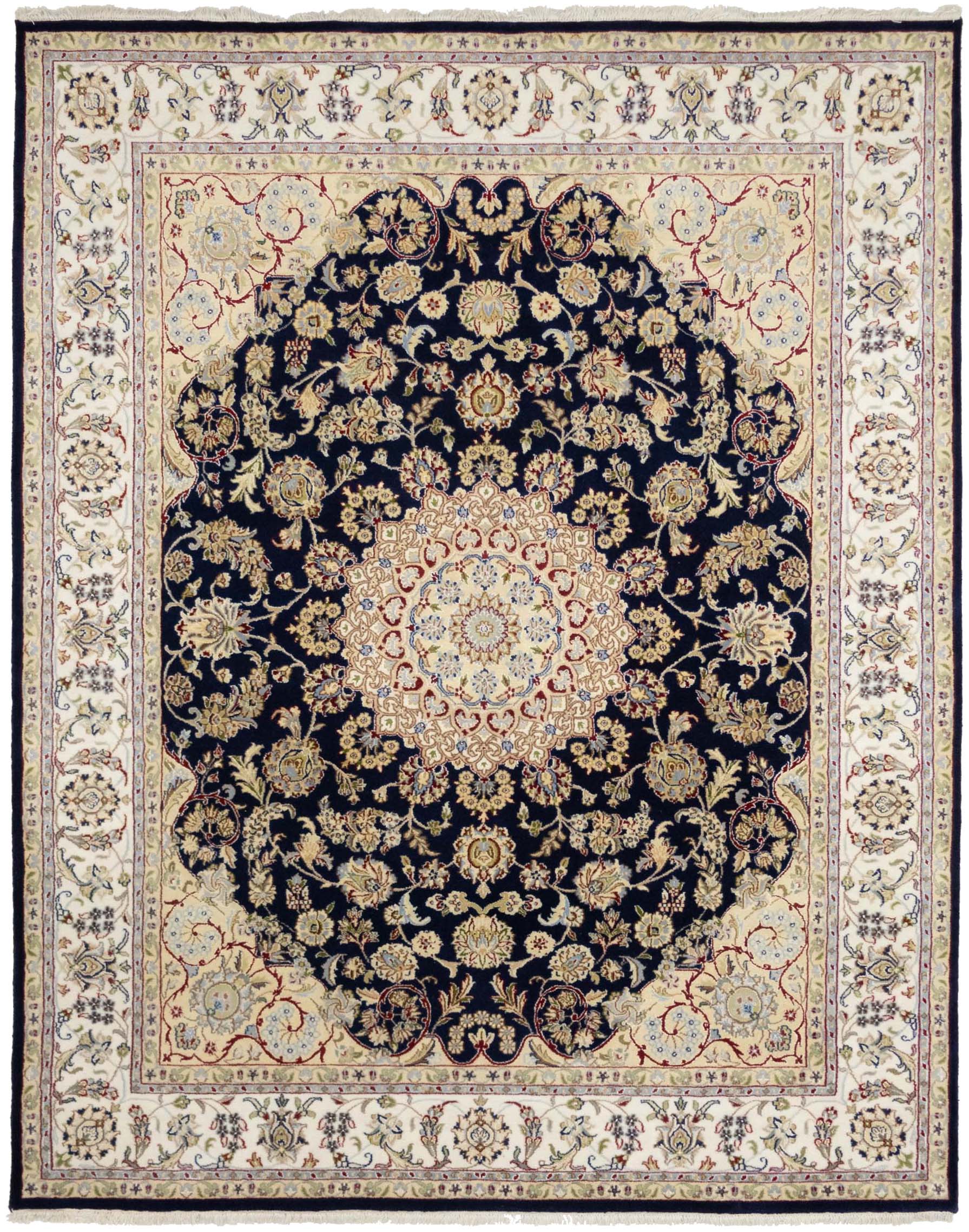
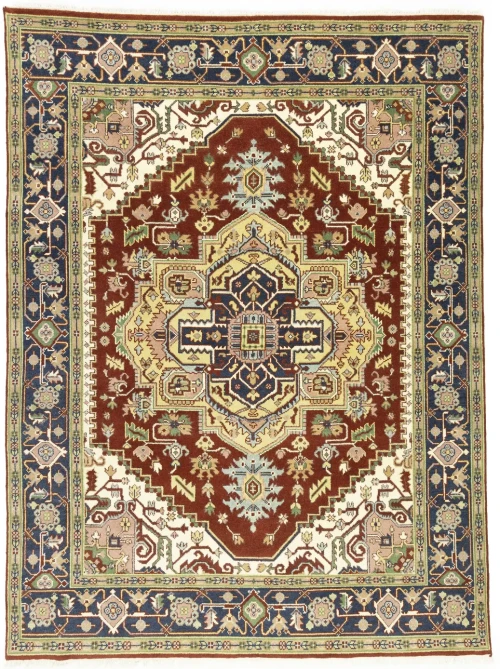
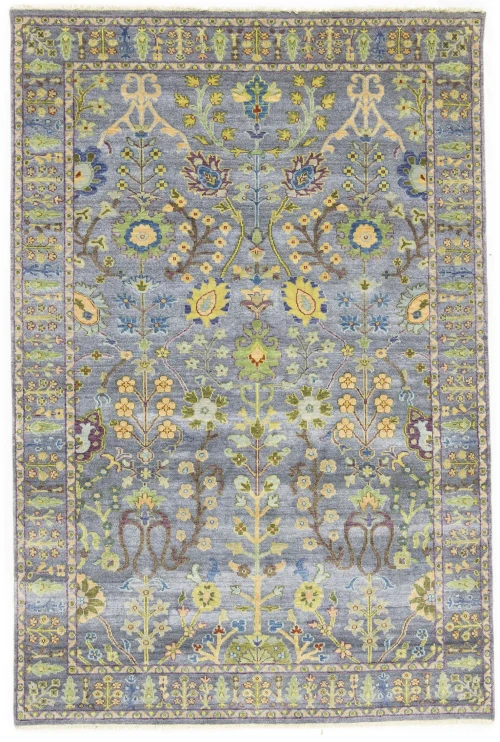
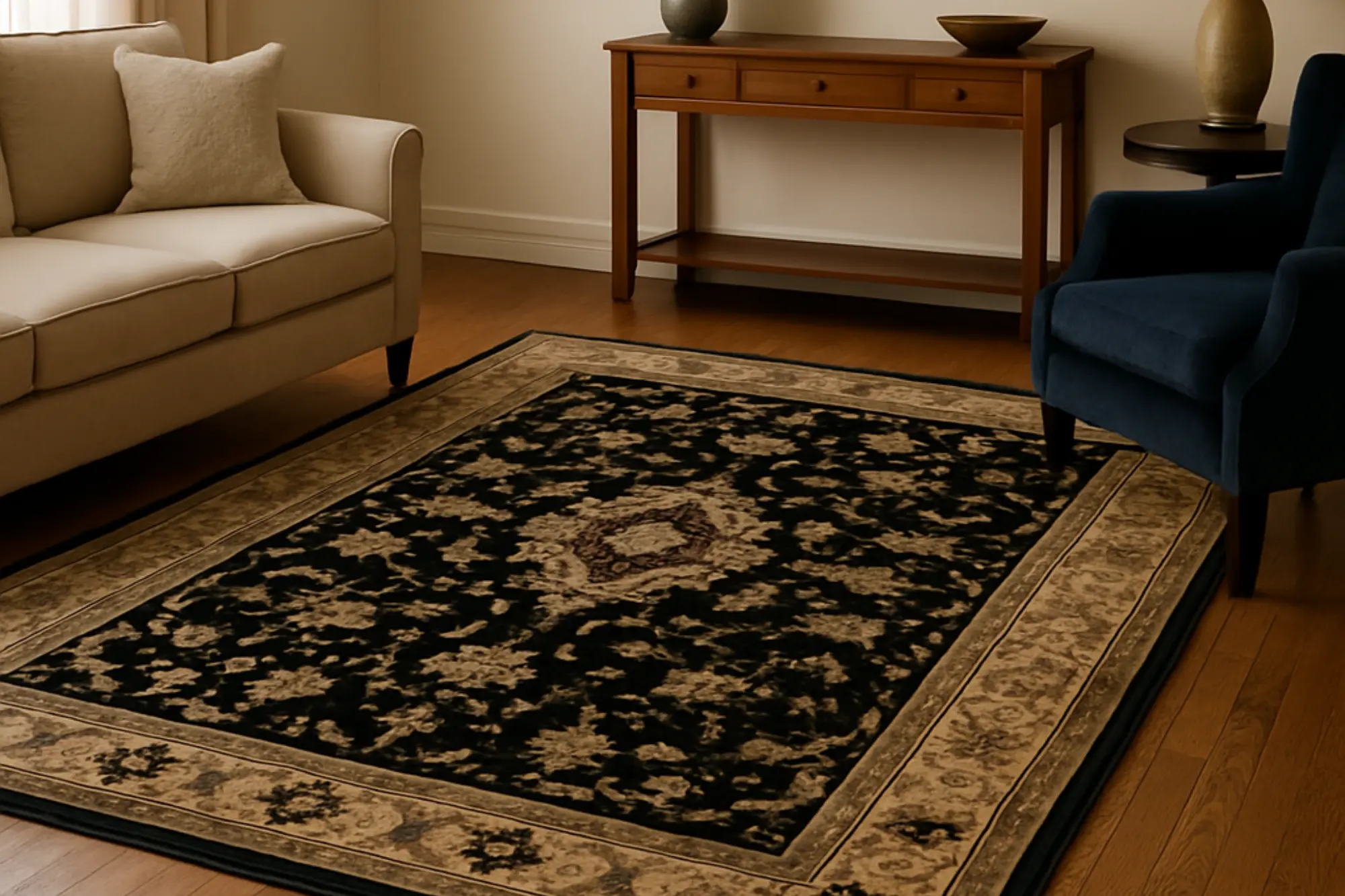
6'1 X 8'9 Hand Knotted Navy & Cream Indo-Nain Oriental Wool Silk Rug
Cotton is one of the least expensive materials for rugs. It is low in maintenance, lightweight and soft. Some cotton rugs can be cleaned in a washing machine. These rugs are bright and bold in color, as cotton holds color well. The only disadvantage of cotton is that it does not last as long as wool or retain moisture as quickly.
Man-made rugs use synthetic fibers to make these rugs. The three most popular are polypropylene, nylon and polyester. These are durable, stain-free and affordable. Polyester is soft and bleaches and fades easily. All three are waterproof and are perfect for outdoor and high-traffic areas.
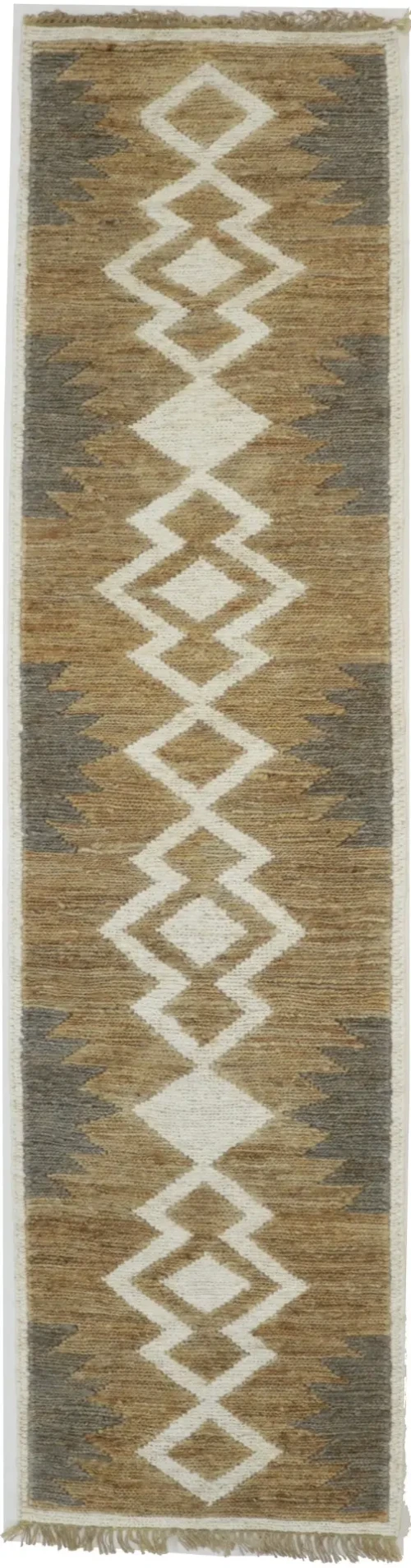
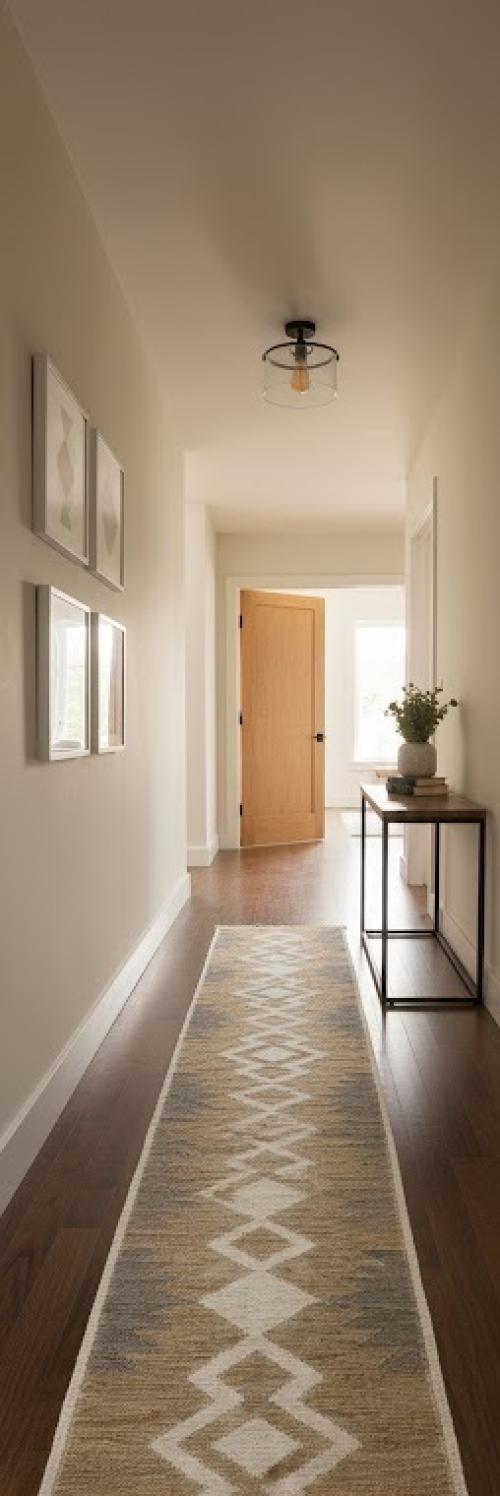
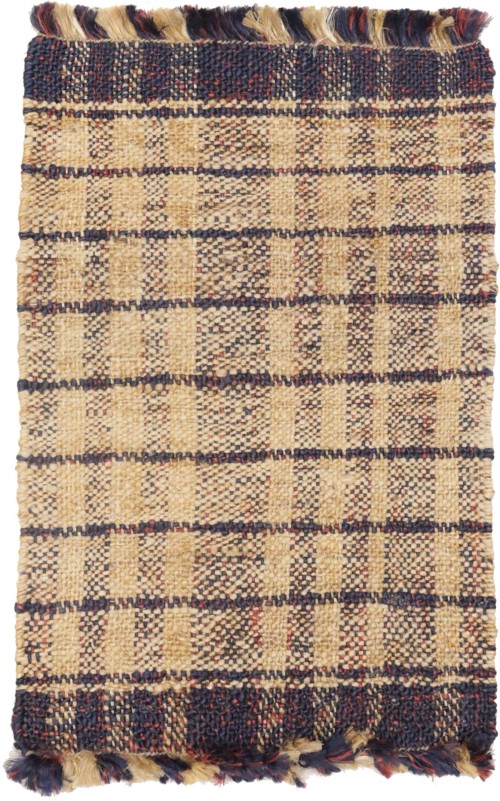
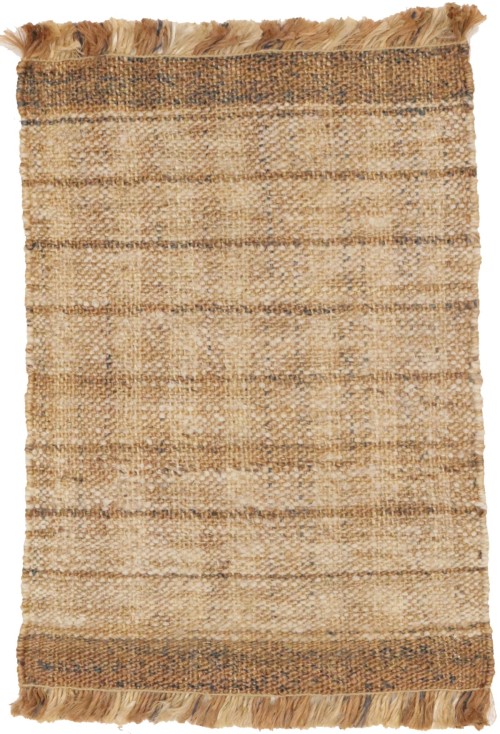
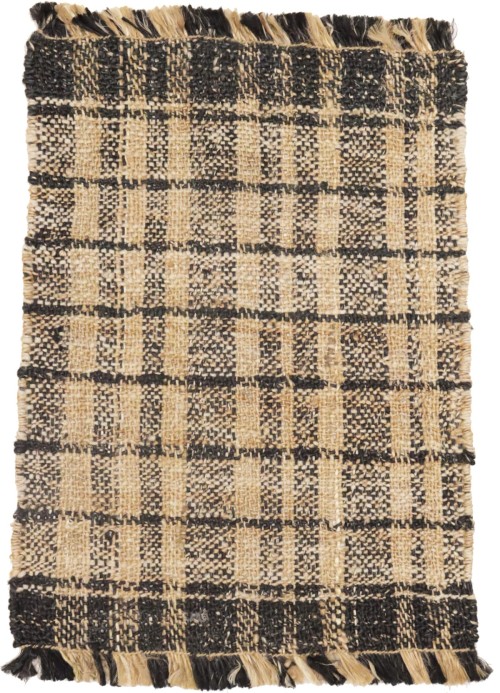
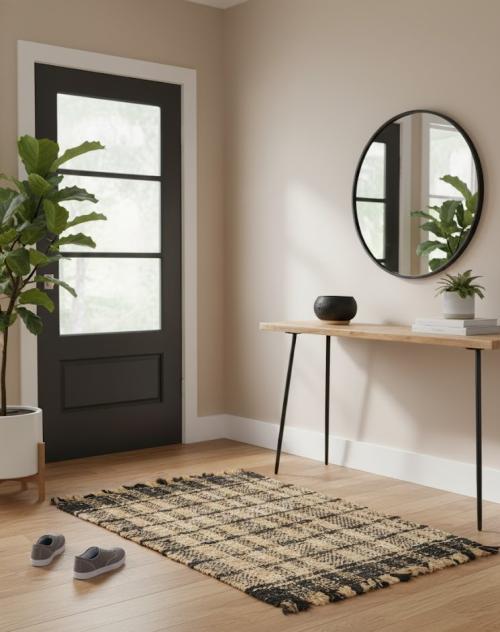
Jute rugs are made from the fiber of the jute plant. They are considered to be one of the most environmentally friendly rug materials around. Jute is eco-friendly, rapidly growing and requires minimal water. These rugs add a cozy, natural feel to any space. They look great in boho and farmhouse designs. The downside is that jute is water-absorbent and sheds fibers early.
Leather rugs are genuinely made with animal hide. All pieces are different in color and texture. They are highly resistant to wear and tear, won't fray, and are simply wipeable. Leather rugs are a great choice for modern and rustic designs. Never put them on underfloor heating, as they get dry and the leather cracks.
Today, there are several materials for rugs. Some are natural. Some are man-made. Each one has its own qualities. Let's look at the qualities of each rug material:
Rug Material | Durability | Comfort | Cleaning | Affordability |
Wool | Very high | Very soft | Easy to clean | Expensive |
Silk | Low | Extreme soft | Not easy | Expensive |
Cotton | Medium | Soft | Very easy | Budget Friendly |
Synthetic | High | Medium | Very easy | Budget Friendly |
Jute | Medium | Medium | Moderate | Budget Friendly |
Leather | Very high | Firm | Very Easy | Expensive |
Color and pattern are the most common choices when it comes to choosing a rug. However, the material is equally important. It determines everything about how rugs perform in your home. Using the wrong rug material in the wrong room will create major problems.
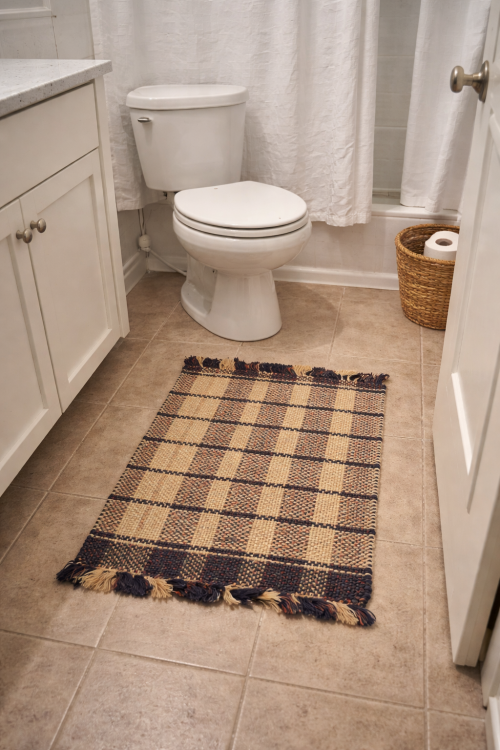
A delicate silk rug would not work in a busy hallway. A jute rug on a bathroom floor will absorb water and get damaged. A synthetic rug in your formal living room might give a cheap look. The correct material will save your money, cleaning time and maintain the beauty of your home for years.
The material used in your rug also impacts comfort. Wool and cotton are soft and plush. The leather one is hard and smooth. Jute is rough. All this knowledge matters while making a purchase decision.
Design works only for looks, but the quality or composition of the rug gives comfort. At Magic Rugs, we take care of both comfort and style.
You should match the material according to the room requirements and traffic level. Heavy-traffic spaces, such as hallways and lounge areas, require heavy-duty materials. You can opt for wool, synthetic, or leather. Silk, cotton, or jute works well in low-traffic areas such as bedrooms.
For wet places such as kitchens and bathrooms, use moisture-resistant materials (cotton or synthetic). Do not use jute and silk in water-based areas.
Suppose you have pets or kids at your home. Then choose a synthetic or leather material. They are stain-resistant and easy to clean. If you want a luxurious feel, then purchase wool or silk if you are budget-conscious. Then cotton and synthetic rugs seem to be a great deal, as they are quite affordable.
If you are eco-friendly. Then, natural jute is the best choice. From a comfort point of view, wool and cotton are soft on the feet. The leather and jute give a firmer feel.
When you have options, it gets easy to choose the right one. Proper knowledge of rug materials will help you choose the right one. If you choose wool, it is durable and timelessly beautiful. For special places, there is nothing like silk. Cotton offers both affordability and comfort.
Synthetic rugs deliver practicality and great value. Eco-friendly texture and warmth come from natural jute rugs. On the other hand, leather rugs make a unique and bold statement, and last for a lifetime.
Each room is unique. Each family has their own way of living. Choose the material that fits your lifestyle, budget and space. Once you learn about the material, you will be able to find the perfect rug that is stylish, comfortable, and durable.
You now have the basic understanding of the 6 common rug materials in this guide. Now you can visit our rug store, Magic Rugs and choose smartly with complete confidence.
The most durable natural rug material is wool. It is durable, resistant to crushing, dirt and wear, and also suitable for high traffic zones. Synthetic materials also have high durability. In addition to being extremely durable, leather rugs are also a great long-term investment if properly taken care of, lasting for years.
Wool rugs do indeed fit in homes with pets. Lanolin, a natural component of wool, makes it naturally stain-resistant. It also conceals dirt between cleanings. However, pets with sharp claws may tear the fibers. Regular trimming of pet nails will increase the life of the rug.
If you are looking to get a luxury, decorative rug, then you can spend money on silk rugs. They can be very beautiful, add elegance to a space and are worth keeping for years. Silk rugs need proper care. They are best for low-traffic areas. A wool rug is also worth buying and best for daily use.
Synthetic rugs are the best for outdoor-style indoor rugs. They are moisture resistant, stain resistant and do not fade with UV rays. They have the same appearance as natural fiber rugs, but they are more weather-friendly. They are also affordable and easy to clean. They are great for areas like patios, balconies, or mudrooms.
Jute rugs are made of natural material and come without any chemicals, which is an advantage for families with children. Jute is not that soft and waterproof. Their fibers start falling initially. Cotton or synthetic rugs might be a better and more practical choice than jute for children's areas.
Yes, cotton rugs are luxurious, depending on the right design and weave. A tufted or high-pile cotton rug will be soft and luxurious. They are available in rich colours and beautiful designs. Cotton is an affordable rug material. A well-designed cotton rug can easily elevate the room’s appearance and style.
Wool is a very allergy-free material. It holds dust and allergens deep within its fibres, preventing them from entering the air you breathe. Leather rugs are also really good for homes that suffer from allergies. Not at all trapping dust or pet hairs. Just wipe the rugs properly to make them clean and allergen-free.
Care of a leather rug involves gentle vacuuming on a low setting or regular shaking. Use a dry cloth to clean the wet areas right away. Apply leather conditioner on a regular basis (every few months) to keep the leather soft and crack-free. You should keep the leather rugs away from the underfloor heating and direct sunlight to prevent drying out.
Share: